
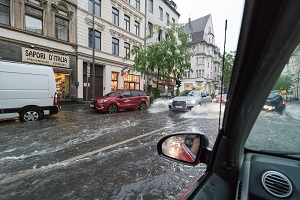
 Flooding topic monitored and covered by: Prepper Watch – Water
Introduction
Flooding represents one of the most destructive and widespread water threats that preppers need to prepare for. From seasonal river flooding to flash floods triggered by intense storms, flooding poses immediate dangers to life, property, and infrastructure. This 10-page blog will guide preppers on how to prepare for flooding, focusing on practical measures to safeguard against the overflow of water sources that can cause contamination and damage essential infrastructure.
Understanding the Flooding Threat
Flooding occurs when water overflows onto normally dry land. This can happen due to a variety of reasons, including:
- Heavy rainfall: Excessive rainfall over a short period can overwhelm drainage systems, rivers, and lakes.
- Snowmelt: Rapid snowmelt during the spring can cause rivers and streams to overflow.
- Dam or levee failure: The breach or malfunction of dams and levees can cause rapid and widespread flooding.
- Tidal surges and storm surges: Coastal flooding from hurricanes or typhoons can inundate low-lying areas.
- Urbanization and land development: The construction of roads and buildings can reduce natural water absorption, increasing flood risks.
Flooding, particularly from contaminated water, can cause disease outbreaks, contaminate food and water supplies, and disrupt critical infrastructure. As such, preparing for flooding involves safeguarding supplies, reinforcing infrastructure, and planning for evacuation and communication strategies.
Understanding the Risk and Monitoring Flood Threats
The first step for any prepper is understanding their flood risk. By knowing your region’s flood history, floodplain maps, and local weather patterns, you can prepare more effectively.
- Flood Risk Assessment:
- Flood Zones: Research your region’s flood zones and history. FEMA provides flood zone maps in the United States, while Canadian flood risk maps can help you understand the risks in various provinces.
- Weather Patterns: Monitor regional and global weather events. Be prepared for hurricanes, heavy rainfall, or seasonal snowmelt that may trigger flooding.
- Historical Data: Look at past flooding events and their impacts. Understanding patterns can help you anticipate potential future events.
- Flood Alerts and Early Warning Systems:
- Flood Warnings: Sign up for local flood warnings through government agencies or emergency management offices. In Canada, tools like the Canadian Flood Portal or FloodWatch can provide real-time updates.
- Weather Apps: Use weather apps that offer specific flood warnings, including the Floods Canada app or regional weather services.
- Community Alerts: Many communities have systems that send out alerts via text or email about potential flooding events.
Emergency Water Management for Flood Events
During a flood, one of the most immediate challenges is managing access to clean water. Contaminated floodwater can carry diseases, chemicals, and other hazardous substances. Preparing for such an event means ensuring clean water is accessible and stored.
- Water Storage and Purification:
- Water Storage: Preppers should maintain at least 1-2 weeks’ worth of water per person (1 gallon per person per day). Store water in food-grade containers that can withstand flooding conditions.
- Water Filtration: Invest in portable water filters such as LifeStraw or Sawyer Mini. These devices can remove bacteria, parasites, and chemicals from flood-contaminated water.
- Water Purification Tablets: Stockpile water purification tablets like Potable Aqua or AquaMira to treat contaminated water.
- Boiling Water: If electricity is available, boiling water is the most effective way to ensure safety.
- Rainwater Harvesting:
- Set up a rainwater harvesting system with rain barrels and filters to collect water. This provides an alternative water source during a flood event, especially when public water supplies are compromised.
- Ensure that collected water is filtered and purified before consumption.
- Emergency Water Sources:
- Bottled Water: Stockpile bottled water for drinking, cooking, and hygiene needs. Rotate stock regularly to maintain freshness.
- Wells: If you live in an area with access to private wells, ensure that your well is properly sealed and protected from floodwater. Consider using a hand pump for manual operation in case the electrical grid fails.
Preparing Your Home for Flooding
Floodwaters can infiltrate homes quickly, causing massive damage to structures, belongings, and critical utilities. Preparation involves both preventive and responsive measures to protect your home and possessions.
- Flood-Proofing Your Property:
- Flood Barriers: Invest in flood barriers or sandbags to prevent water from entering critical areas of your home, particularly entryways, windows, and basement doors.
- Sealing Entry Points: Use sealants and flood-resistant caulk around doors, windows, and vents to prevent water seepage.
- Elevate Key Equipment: Move electrical appliances, heating units, and water heaters above potential flood levels. Install sump pumps to redirect water away from the foundation.
- Flood-Proof Flooring: Consider replacing carpets with water-resistant flooring materials such as tile or concrete.
- Flood-Resistant Construction Materials:
- If you are building or renovating your home, opt for flood-resistant materials like pressure-treated wood, concrete, or steel for construction.
- Install flood vents to allow water to flow through crawlspaces, preventing structural damage.
- Backup Power:
- Power outages are common during floods. Prepare a backup generator to maintain essential systems such as water pumps, refrigeration, and lighting.
- Solar-powered chargers or off-grid solar panels can help ensure critical devices, like communication equipment and water filtration units, remain operational.
Protecting Your Health During Flooding
Floodwaters often carry bacteria, viruses, and toxic chemicals, which pose significant health risks. Preppers need to take steps to protect themselves and their families from these health hazards.
- Sanitation and Hygiene:
- Portable Toilets: During a flood, the local sewage system may be overwhelmed. Invest in portable toilets and biodegradable waste bags to manage sanitation needs.
- Hand Hygiene: Stock up on hand sanitizers, soap, and disinfectants to ensure proper hygiene in contaminated environments.
- Personal Protective Equipment (PPE): Use waterproof gloves, boots, and masks when handling floodwater or debris to reduce exposure to hazardous materials.
- First Aid Kits:
- Ensure you have a well-stocked first aid kit with supplies for treating injuries, illnesses, and waterborne diseases. Include wound care items, antiseptic ointments, and antibiotics.
- Include oral rehydration salts in your kit to prevent dehydration from potential waterborne diseases like cholera.
- Evacuation Health Preparations:
- Medications: Keep a two-week supply of essential medications in waterproof containers. Ensure any medical needs are accounted for in evacuation plans.
- Vaccinations: Ensure all vaccinations are up to date, especially for diseases commonly transmitted through contaminated water, such as Hepatitis A.
Evacuation Planning and Communication
When flooding becomes a significant threat, evacuation may be necessary. Effective evacuation planning and communication are crucial for a prepper’s survival.
- Evacuation Routes:
- Preppers should know multiple evacuation routes out of their area, especially if they live in a floodplain or close to riverbanks.
- Mark alternative routes that avoid bridges, low-lying areas, and flood-prone zones.
- Evacuation Kits:
- Create bug-out bags that include essential supplies for evacuation, such as food, water, clothing, first aid items, and important documents.
- Include waterproof storage bags to protect important papers, medications, and electronics.
- Communication Systems:
- Establish communication plans with family members and neighbors to stay informed about evacuation orders and local conditions. Use two-way radios, satellite phones, or other off-grid communication methods.
- Consider investing in a weather radio to stay updated on real-time warnings and information from emergency services.
- Emergency Shelters:
- Identify potential evacuation shelters in your area. Be aware of the locations of Red Cross shelters or community centers that will provide assistance during a flood event.
Flood Recovery and Post-Flood Actions
Once the floodwaters recede, the recovery process begins. Preppers should be prepared to manage cleanup, safeguard their homes, and prevent secondary hazards from arising.
- Initial Assessment:
- After the floodwaters recede, assess your home for structural damage, contamination, and safety hazards. Avoid entering buildings that have been submerged until they are declared safe by authorities.
- Take photographs of the damage for insurance purposes.
- Disinfection and Cleanup:
- Use bleach and other disinfectants to clean surfaces that have come into contact with floodwaters. This includes floors, countertops, and walls.
- Mold Prevention: Flooding increases the risk of mold growth. Remove wet materials quickly, such as carpeting, drywall, and insulation, to prevent long-term contamination.
- Restocking Supplies:
- Once the immediate recovery is underway, restock your emergency supplies, including clean water, non-perishable food, and first aid items. Focus on items that may have been damaged or lost during the flood.
Conclusion
Flooding represents a significant threat to both urban and rural communities, and preparedness is key to surviving such an event. By understanding flood risks, securing clean water, fortifying homes, protecting health, and developing evacuation strategies, preppers can ensure they are ready for any flood disaster. Floodwaters may be unpredictable, but with proper planning and foresight, you can protect yourself and your family from the devastation they bring.