
 Desalination Challenges topic monitored and covered by: Prepper Watch – Water
Introduction
Water is one of the most critical resources for survival, and for preppers, ensuring access to clean, fresh water is paramount. While many people around the world rely on freshwater sources like rivers, lakes, and aquifers for their drinking, cooking, and sanitation needs, these sources are not always reliable or sustainable, particularly in times of crisis. As global populations continue to rise and the effects of climate change intensify, water scarcity is becoming an ever more pressing concern. In response, desalination has emerged as a potential solution for increasing the availability of freshwater by converting seawater into drinkable water.
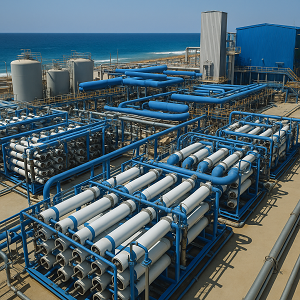
However, desalination is not without its challenges, particularly the high costs and technical difficulties associated with turning seawater into freshwater. Desalination facilities are complex, expensive to build, and energy-intensive to operate. Moreover, they are often located far from the communities they serve, making them vulnerable to natural disasters or geopolitical tensions that may disrupt their operation.
In this blog, we will explore how preppers can prepare for desalination challenges, considering various strategies for coping with water scarcity, reducing dependency on desalination technologies, and finding alternative sources of freshwater.
Understanding Desalination and Its Challenges
Desalination is the process of removing salts and minerals from seawater to produce freshwater. There are two primary methods of desalination:
- Reverse Osmosis (RO): In this method, seawater is pushed through a semi-permeable membrane that allows water molecules to pass but blocks salt and other contaminants. It is the most commonly used technique in large-scale desalination plants.
- Thermal Desalination (Multi-Stage Flash or Multi-Effect Distillation): This method uses heat to evaporate seawater, leaving salts behind, and then condenses the steam back into water. This is less commonly used today due to its high energy requirements.
Despite its potential, desalination faces several significant challenges:
- High Costs: Desalination plants are costly to build, operate, and maintain. The energy required for desalination, particularly in thermal processes, adds to the expense.
- Energy Intensive: The energy consumption involved in desalination is considerable. Desalination plants often rely on fossil fuels or renewable energy sources, which may not be available in all regions or during an emergency.
- Environmental Impact: Desalination processes produce brine as a byproduct, which is often returned to the sea. This concentrated brine can harm marine ecosystems if not managed properly.
- Technical Complexity: The construction and operation of desalination plants require specialized knowledge and expertise, making them vulnerable to operational failures, particularly in disaster scenarios.
Understanding these challenges is essential for preppers as they plan for water security in a world where desalination may not be a viable solution during emergencies or long-term water shortages.
Diversifying Water Sources to Reduce Dependency on Desalination
One of the key strategies for preppers is to diversify water sources so that they are not overly reliant on desalination technologies. By incorporating multiple water sources into their preparedness plans, preppers can ensure a more resilient and adaptable water supply.
Rainwater Harvesting
Rainwater harvesting involves collecting rainwater from rooftops or other surfaces and storing it in tanks for later use. This method is particularly useful in areas with regular rainfall. Preppers can set up a rainwater harvesting system with gutters, downspouts, and storage tanks to capture and store water. Proper filtration and purification systems are essential to make the water safe for drinking.
- Cost-effective: Rainwater harvesting systems can be relatively inexpensive to install, especially for small-scale operations.
- Sustainability: Rainwater is a renewable resource and can be collected year-round, depending on local weather patterns.
Wells and Groundwater
Groundwater is another valuable source of freshwater, especially in areas where surface water is scarce. By drilling wells, preppers can tap into aquifers deep underground. The key to successful well construction is identifying a reliable water table and ensuring that the well is properly sealed and protected from contamination.
- Self-sufficiency: Having access to groundwater can provide a stable and independent water supply, reducing reliance on external sources like desalination plants.
- Challenges: Well drilling requires specialized equipment, and groundwater levels can fluctuate depending on regional conditions.
Water Conservation Techniques
In addition to diversifying water sources, preppers must implement water conservation techniques to reduce overall water consumption. This includes practices such as:
- Greywater Recycling: Reusing water from showers, sinks, and washing machines for irrigation or flushing toilets.
- Low-Flow Fixtures: Installing low-flow faucets, showers, and toilets to reduce water usage.
- Efficient Irrigation: Implementing drip irrigation systems to minimize water wastage in gardening or farming activities.
By implementing these strategies, preppers can ensure they are using their available water resources as efficiently as possible, reducing the need for desalination or other energy-intensive solutions.
Building Resilience with Off-Grid Water Purification Systems
While desalination is a potential solution for coastal areas, off-grid water purification systems are an important alternative for preppers who may face challenges with desalination during emergencies. These systems can provide access to clean water, even in areas where desalination facilities are unavailable or unreliable.
Filtration and Purification
There are various types of filtration and purification methods that preppers can use to ensure the quality of their water:
- Activated Carbon Filters: These filters can remove chlorine, volatile organic compounds (VOCs), and other contaminants from water.
- Ultraviolet (UV) Purifiers: UV light can effectively disinfect water, eliminating bacteria, viruses, and other pathogens.
- Reverse Osmosis (RO) Filters: RO systems, while often used in desalination, can also be applied to purify freshwater sources.
By investing in high-quality filtration and purification systems, preppers can safeguard against waterborne diseases and ensure that their water supply is safe and drinkable.
Solar-Powered Desalination
For preppers in coastal areas who may still want to explore desalination as an option, solar-powered desalination units offer a more sustainable and off-grid alternative to traditional methods. These units use solar energy to power reverse osmosis systems, reducing dependence on fossil fuels and decreasing operational costs.
- Lower Energy Costs: Solar-powered desalination systems reduce the need for external energy sources.
- Sustainability: Solar desalination systems have a smaller environmental footprint and can be deployed in off-grid locations.
By integrating solar desalination systems into their preparedness plans, preppers can access seawater desalination while minimizing the associated challenges.
- Preparing for Natural Disasters and Geopolitical Threats to Desalination Systems
Desalination plants, particularly those that rely on large-scale infrastructure, are vulnerable to disruption from natural disasters, geopolitical conflicts, and other crises. Preppers should consider the risks associated with the location and operation of desalination facilities in their area and prepare for potential disruptions.
Natural Disaster Vulnerability
Desalination plants are often located in coastal areas, making them vulnerable to hurricanes, earthquakes, tsunamis, and flooding. Preppers in these regions must prepare for the possibility that desalination systems could be damaged or destroyed in a disaster.
- Backup Water Sources: Preppers should have alternative water sources in place, such as wells, rainwater harvesting systems, or water storage tanks, to provide water if desalination plants are incapacitated.
- Preparedness for Long-Term Disruptions: In the event of prolonged outages, preppers should have long-term water storage and purification solutions.
Geopolitical Risks
In regions where desalination infrastructure is dependent on international cooperation or subject to political tensions, preppers must account for the possibility that desalination plants could be targeted in conflicts or restricted due to political disputes.
- Self-Reliance: Building resilience through independent water systems like wells, rainwater harvesting, and filtration will make preppers less reliant on desalination plants that may be compromised by geopolitical factors.
- Community-Based Solutions: Preppers should consider organizing local community-based water systems to ensure collective access to clean water in the event of a regional crisis.
Long-Term Strategies for Sustainable Water Access
While desalination may offer a temporary solution to water scarcity, preppers must focus on long-term sustainability in their water access plans. This involves considering the broader picture of water management, including ecosystem health, water conservation, and adaptive strategies for changing climates.
Investing in Sustainable Water Infrastructure
In regions with high water scarcity, preppers can advocate for or contribute to the development of sustainable water infrastructure that minimizes the reliance on energy-intensive desalination. This could include:
- Water Recycling Systems: Advanced water treatment facilities that recycle wastewater for non-potable uses like irrigation and industrial processes.
- Water-Efficient Agriculture: Technologies like hydroponics and aquaponics that use less water and allow for local food production.
Preparing for Climate Change Impacts
As climate change exacerbates water scarcity, preppers must be proactive in planning for shifting weather patterns, droughts, and reduced freshwater availability. By understanding local water cycles, investing in water storage and conservation, and implementing community-based water management strategies, preppers can mitigate the risks of water shortages in the long run.
Conclusion
Desalination offers a potential solution to the growing problem of water scarcity, particularly in coastal regions. However, its high costs, technical challenges, and environmental impact make it an unreliable option for preppers in times of crisis. By diversifying water sources, investing in off-grid purification systems, preparing for natural disasters and geopolitical threats, and planning for long-term sustainability, preppers can ensure that they are resilient in the face of water challenges. Through careful preparation and resourcefulness, preppers can secure access to clean, safe water—an essential component of survival—without over-reliance on desalination technologies.