
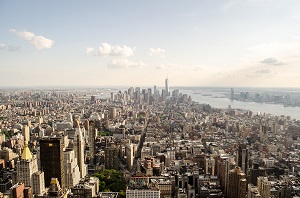
 Urban Heat Islands is a news and information topic monitored and covered by: Prepper Watch – Environment
Introduction
Urban Heat Islands (UHIs) are a growing concern as climate change exacerbates the intensity of extreme heat events in densely populated areas. Preppers, who focus on long-term survival, sustainability, and resilience, must consider the implications of UHIs and prepare accordingly. This blog explores how a prepper can adapt their strategies to mitigate the effects of UHIs, protect themselves, and improve their chances of thriving in extreme heat conditions.
Understanding Urban Heat Islands (UHIs)
Urban Heat Islands refer to areas within cities or metropolitan regions that experience significantly higher temperatures than their surrounding rural areas. This phenomenon occurs because urban environments—particularly dense urban areas—trap heat due to human activity and the unique properties of buildings, roads, and other infrastructure.
Several factors contribute to the formation of UHIs:
- Human Activity: High energy consumption from transportation, air conditioning, and industrial processes generates heat.
- Lack of Vegetation: Urban areas tend to have limited green spaces. Natural areas like parks, forests, and grasslands, which typically absorb less heat, are replaced by heat-absorbing surfaces like concrete and asphalt.
- Building Materials: Materials such as concrete, brick, and asphalt absorb and store heat during the day and release it slowly at night, resulting in elevated nighttime temperatures.
- Waste Heat: Heat released from buildings, vehicles, and industrial equipment can accumulate and further increase local temperatures.
The consequences of UHIs include not only higher daytime temperatures but also elevated nighttime temperatures, making it difficult to cool down and increasing the strain on energy systems and cooling methods.
Risks and Challenges of Urban Heat Islands
Urban Heat Islands pose several serious risks, particularly in urban settings where populations are dense. Some of the most notable risks include:
- Health Impacts: The increased heat from UHIs can lead to heat-related illnesses such as heat stroke, dehydration, and respiratory problems. Vulnerable populations—such as the elderly, children, and those with pre-existing health conditions—are particularly at risk.
- Increased Energy Consumption: As temperatures rise, the demand for air conditioning and cooling systems spikes, leading to higher electricity consumption, grid overload, and potentially, power outages. This can create cascading effects during peak heat events.
- Air Quality Deterioration: Elevated temperatures can worsen air pollution and smog formation. Pollutants like ozone and particulate matter become more concentrated, negatively impacting respiratory health and overall air quality.
- Water Scarcity: The combination of extreme heat and increased demand for water for cooling systems can strain water resources, leading to drought conditions and exacerbating water scarcity.
As urban environments continue to grow and the climate crisis intensifies, the importance of preparing for UHIs becomes increasingly urgent.
Preparing for Urban Heat Islands: A Prepper’s Mindset
For preppers, preparation is the key to surviving extreme conditions, and UHIs are no exception. Preparing for extreme heat requires a multi-faceted approach that includes personal protection, resource management, energy conservation, and creating a sustainable living environment.
Here are the top strategies for prepping against Urban Heat Islands:
Energy Independence and Off-Grid Systems
One of the most critical aspects of preparing for urban heat is ensuring energy independence. During extreme heat events, cities often experience power outages due to increased demand for air conditioning. To mitigate this, preppers should focus on creating off-grid systems that can operate independently of the main grid.
- Solar Power: Solar panels can generate renewable energy and power cooling systems, such as fans and air conditioners, during heatwaves. Consider installing solar panels on the roof or in outdoor spaces to capture sunlight and convert it into electricity. It’s crucial to have battery storage for nighttime use when the sun isn’t shining.
- Backup Generators: A reliable backup generator can provide power during an outage. Fuel sources like propane, natural gas, or biofuels can be used for backup energy, ensuring that essential appliances (such as refrigerators, fans, and medical devices) continue to function even during power interruptions.
- Energy-Efficient Appliances: Investing in energy-efficient appliances can reduce the overall demand for electricity. During extreme heat, consider using energy-efficient fans and cooling systems rather than relying on traditional air conditioning.
Cooling Techniques and Heat Mitigation Strategies
To counter the oppressive heat of UHIs, preppers should employ a variety of cooling techniques. These strategies help maintain a livable environment indoors and reduce exposure to extreme temperatures outdoors.
- Shading and Insulation: Insulate your home or shelter to prevent heat from penetrating indoors. Using reflective window films or thermal curtains can help keep indoor temperatures down. Additionally, installing awnings, window shades, or shutters can block the sun’s heat during peak hours.
- Urban Gardening and Green Spaces: Greenery plays a critical role in mitigating heat. Planting shade trees, bushes, and vines around the home can provide natural cooling through evapotranspiration. You can also create rooftop gardens to enhance insulation and reduce the amount of heat absorbed by the building.
- Urban Heat Reflective Materials: If possible, consider using reflective materials for roofing or painting your home in lighter colors. These materials can help reflect sunlight and reduce heat absorption. Urban areas can often benefit from incorporating reflective surfaces in streets and pavements, which absorb less heat and can contribute to cooler environments.
- Portable Air Coolers: When traditional air conditioning isn’t an option, evaporative coolers (swamp coolers) are a great alternative. These systems work by cooling the air with water, reducing temperatures in small spaces without the need for a refrigeration cycle.
Water Conservation and Cooling
Water usage tends to spike during heat events as people use water to cool down or hydrate. Given the potential for water scarcity and high demand, preppers must prioritize water conservation.
- Rainwater Harvesting: Setting up a rainwater collection system can provide a supplementary water source for cooling and irrigation. This system can collect rainwater from rooftops and direct it to storage tanks for use during dry spells or when public water resources are strained.
- Efficient Irrigation Systems: Automated irrigation systems, such as drip irrigation, can help water plants more efficiently and reduce water waste during hot conditions. These systems can be programmed to water during cooler parts of the day to minimize evaporation.
- Water Filtration: Make sure you have an adequate supply of clean water during heatwaves. A portable water filtration system can provide purified water for drinking, cooking, and cooling.
Protective Gear and Clothing
Preppers should also ensure they are well-equipped to handle the extreme heat when outside. Proper clothing, hydration, and physical protection are crucial in reducing the risk of heat-related illnesses.
- Cooling Clothing: Lightweight, moisture-wicking clothing helps prevent heat exhaustion and dehydration. Fabrics designed to reflect UV rays or clothing with built-in cooling technology can provide additional protection.
- Hydration: Water is essential during heatwaves. Carry a reusable water bottle filled with clean water at all times and ensure that family members, friends, or neighbors have access to hydration.
- Wide-Brimmed Hats and Sunglasses: Protect your face, neck, and eyes from the sun’s harmful rays by wearing wide-brimmed hats and UV-protective sunglasses. This reduces the risk of sunburn and eye strain.
Heat-Related Health Precautions
Urban heat increases the risks of heat-related illnesses, so it’s essential to recognize the symptoms of heat exhaustion and heat stroke and take immediate action.
- Know the Signs of Heat Exhaustion: Heat exhaustion occurs when the body’s cooling mechanisms become overwhelmed. Symptoms include heavy sweating, weakness, dizziness, nausea, and headache. Preppers should have a first aid kit with remedies for heat exhaustion, including electrolyte drinks, cold packs, and cool water.
- Heat Stroke and Emergency Response: Heat stroke is a medical emergency and occurs when the body’s temperature regulation fails. It can lead to confusion, loss of consciousness, and organ failure. If someone shows signs of heat stroke, immediate medical attention is required. Having a comprehensive first aid kit and knowing how to manage heat stroke could save lives.
Community Preparation and Mutual Aid
Preppers often emphasize the importance of community in times of crisis, and UHI events are no different. Forming mutual aid groups to share resources like water, cooling systems, and shelter is an effective way to ensure that everyone is prepared for extreme heat.
- Neighborhood Cooling Centers: Organize a local community cooling center where people can gather to access shade, water, and cooling systems. This could be a shared space such as a church, community center, or neighborhood hall.
- Shared Resources: Preppers should work with neighbors to pool resources such as backup generators, rainwater collection systems, and cooling equipment. Sharing these resources in a time of need ensures that everyone has access to the tools necessary for surviving extreme heat events.
Conclusion: The Road Ahead
Urban Heat Islands are a growing concern as cities face rising temperatures due to climate change. For preppers, preparing for these extreme conditions involves both individual and community efforts to mitigate the effects of heat. Whether through energy independence, cooling techniques, water conservation, or community building, preppers can take proactive steps to ensure they are ready for the challenges posed by UHIs. As cities continue to grow and climate change accelerates, the need for preparation will only increase, making resilience in the face of urban heat a critical component of a prepper’s survival strategy.