
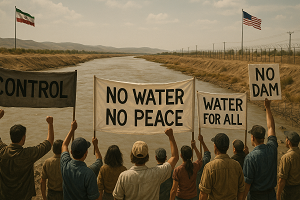
 Transboundary Water Conflicts topic monitored and covered by: Prepper Watch – Water
Introduction
Water is one of the most critical resources for human survival. Its availability, distribution, and management are integral to everything from personal health to the functioning of entire economies. In regions where water resources are shared between multiple countries or regions, the potential for conflict can arise, especially when water becomes scarce or unevenly distributed. These conflicts, known as transboundary water conflicts, are increasingly becoming a concern for preppers, as they can have far-reaching consequences for the availability and access to freshwater resources.
As global populations rise and climate change exacerbates water scarcity, understanding how to prepare for these types of conflicts has become crucial. This blog explores how preppers can anticipate, plan for, and respond to potential transboundary water conflicts, ensuring their long-term survival in an uncertain world.
What Are Transboundary Water Conflicts?
Transboundary water conflicts occur when two or more countries or regions share a common water source, such as a river, lake, or aquifer, and disputes arise over how that resource is managed, distributed, or protected. These disputes can be triggered by a variety of factors, including:
- Water Scarcity: As populations grow and climate change alters rainfall patterns, the availability of water may diminish, creating tensions over limited supplies.
- Economic Development: Water-intensive industries, agriculture, and energy production can place additional demands on shared water resources.
- Environmental Concerns: Over-extraction of water or pollution can harm ecosystems, leading to disputes over the preservation of the water body.
- Political and Social Tensions: Water, often referred to as “blue gold,” can be a powerful political tool. Countries or regions may engage in aggressive tactics to control access to water, leveraging it for power or security.
Some notable examples of transboundary water conflicts include the Nile River dispute between Egypt, Ethiopia, and Sudan, and the tensions over the Tigris and Euphrates rivers between Turkey, Syria, and Iraq. These conflicts highlight the complexity and importance of managing shared water resources.
Understanding the Impact on Preppers
Transboundary water conflicts have the potential to disrupt water supply systems, damage infrastructure, and cause severe humanitarian issues. For preppers, this poses a direct threat to one of their most essential survival resources: access to clean, potable water. The impact can be felt in various ways:
- Reduced Access to Freshwater: If a neighboring country or region restricts water flow or access to a shared river or aquifer, it can significantly reduce the water available for local use.
- Inflated Water Prices: As the demand for water increases due to conflict, the price of water can skyrocket, making it unaffordable for many households and communities.
- Contaminated Water Supplies: Conflicts can lead to the destruction of water infrastructure, allowing contaminants, such as sewage, industrial waste, and chemicals, to enter water supplies.
- Political Instability: Water disputes can escalate into broader conflicts, potentially resulting in regional instability or even war, which further disrupts access to resources.
To effectively prepare for transboundary water conflicts, preppers need to think strategically about how to secure their own water needs and ensure long-term access to clean water.
Key Strategies for Prepping for Water Conflicts
- Secure a Sustainable Water Supply
The first step in preparing for water-related crises is to ensure a reliable, self-sustaining water supply. Preppers should consider the following:
- Rainwater Harvesting: Installing a rainwater collection system, such as gutters, downspouts, and storage tanks, can provide an independent source of water. A properly designed rainwater harvesting system can supplement your water needs, especially during dry spells or when access to shared water sources becomes restricted.
- Well Water: If the region allows, drilling a well can provide access to groundwater. However, groundwater levels may also be affected by transboundary conflicts, so it’s crucial to monitor local aquifers’ sustainability and potential political pressures on water use.
- Water Filtration and Purification: Having the means to filter and purify water is essential. Preppers should invest in quality water filtration systems (e.g., reverse osmosis filters, activated carbon filters) and water purification tablets, UV purifiers, or distillation methods to ensure access to safe drinking water from natural sources like rivers or lakes.
- Develop Water Storage Systems
Even in the event of a short-term disruption to the water supply, preppers must be able to store water for emergencies. This includes:
- Water Storage Containers: Preppers should store large amounts of water in food-grade plastic barrels, drums, or tanks. Water should be treated with purification tablets or a water stabilizer to ensure it remains safe for consumption over extended periods.
- Emergency Water Supply: Keeping a smaller emergency water supply (1 gallon per person per day for at least three days) in portable containers is crucial for immediate needs during disruptions.
- Diversify Water Sources
Diversifying your water sources can ensure that you’re not solely dependent on a single water supply. This is particularly important in the case of transboundary conflicts, where water access may be restricted or manipulated:
- Natural Water Sources: If you’re in an area near rivers, lakes, or springs, assess their viability as alternative water sources. However, these sources may become contaminated or subject to external restrictions in a conflict scenario.
- Desalination: Although expensive, portable desalination units can turn seawater into drinkable water. This is particularly useful for coastal regions where access to fresh water is more limited.
- Build Relationships with Local Communities
While prepping focuses on individual self-reliance, building relationships with neighbors and local communities is crucial for dealing with large-scale water conflicts:
- Community Water Shares: Communities that share a common interest in securing water resources can pool resources to invest in water collection, storage, and filtration systems. This collaborative effort can help buffer the effects of a larger conflict.
- Negotiation and Bartering: Developing mutual aid agreements with local groups can help ensure continued access to water in exchange for skills, supplies, or services. Bartering may also be a key strategy in case of a currency collapse or trade disruptions.
- Keep Abreast of Political and Environmental Risks
Understanding the geopolitical landscape is key to anticipating potential water conflicts:
- Track Water Management Agreements: Many transboundary rivers and aquifers are governed by international treaties and agreements. Preppers should monitor these agreements and the health of the relations between the countries involved. Disputes over water management, especially in politically sensitive areas, can lead to conflict.
- Watch for Signs of Conflict: Stay informed about regional and international news related to water disputes, climate change impacts, and economic factors that may affect water access. Consider using resources like satellite monitoring tools, water scarcity indices, and international relations analysis to stay ahead of the curve.
How to Respond During a Water Crisis
In the event of a water crisis resulting from transboundary conflict, it’s essential to stay calm, focused, and prepared. Here are steps to take during a water conflict:
- Limit Water Usage: If access to water becomes restricted, reduce personal and household water usage. This includes implementing water-saving measures like reusing water, reducing shower time, and using water-efficient appliances.
- Ration Water: Ensure that your stored water is used judiciously. Rationing water is a key skill during water shortages, especially when the conflict may last for weeks or months.
- Secure Alternate Water Sources: If your primary water source is disrupted, rely on your alternative sources—whether rainwater harvesting, a nearby natural water source, or community arrangements—to replenish your reserves.
- Maintain Cleanliness: Hygiene becomes even more critical during water shortages. Ensure that your family or group can maintain cleanliness without excessive water use by using sanitizing wipes, hand sanitizers, and dry shampoos.
- Prepare for Long-Term Water Solutions: If the water conflict persists, consider longer-term solutions like desalination, water-sharing agreements with neighboring communities, or even relocation to an area with more stable water access.
Conclusion
Transboundary water conflicts are increasingly becoming a concern for preppers, especially in a world where water resources are growing scarcer. By securing independent water supplies, diversifying water sources, and staying informed about potential conflicts, preppers can ensure that they are prepared for disruptions to their water supply.
Water is essential not only for survival but also for maintaining stability in a crisis. By taking proactive steps now, preppers can ensure that they remain self-sufficient and adaptable when faced with the challenges of transboundary water conflicts.