
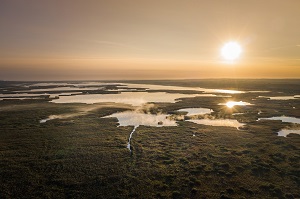
 Loss of Wetlands is a news and information topic monitored and covered by: Prepper Watch – Environment
Introduction
Wetlands are vital ecosystems that play an indispensable role in maintaining ecological balance. They act as natural flood barriers, water purifiers, and provide critical habitats for biodiversity. However, these environments are rapidly declining due to urbanization, pollution, and climate change. The destruction of wetlands results in an increased risk of flooding, loss of biodiversity, and the degradation of essential water systems. For preppers, understanding how to prepare for the consequences of wetland loss is crucial for ensuring long-term survival.
This blog will explore the significance of wetlands, the dangers posed by their destruction, and provide practical steps preppers can take to safeguard themselves and their communities. From creating sustainable water management systems to preserving biodiversity, this guide covers everything a prepper needs to know.
The Role of Wetlands in Environmental Stability
Wetlands, which include marshes, swamps, and bogs, serve several critical functions in the environment. These ecosystems are found at the intersection of land and water and are often classified into freshwater and saltwater wetlands. The benefits of wetlands are numerous:
- Flood Control: Wetlands absorb excess rainfall and act as sponges, reducing the severity of floods. They slow the flow of water into rivers and streams, preventing downstream flooding.
- Water Filtration: Wetlands are natural water filters, trapping pollutants, sediments, and excess nutrients, improving water quality.
- Carbon Storage: Wetlands sequester carbon, helping mitigate the effects of climate change.
- Biodiversity Support: Wetlands are home to a wide variety of plant and animal species, many of which are endangered.
- Groundwater Recharge: Wetlands help maintain groundwater levels, ensuring a steady supply of water for drinking and agriculture.
Wetland Loss and Its Impact
As wetlands are drained and destroyed for agriculture, development, and industrial purposes, the loss of these ecosystems can lead to several environmental problems:
- Increased Flooding: Without wetlands to absorb excess rainwater, flooding becomes more frequent and severe. Urban areas, especially those located near rivers or coastlines, are particularly vulnerable.
- Degraded Water Quality: The absence of wetlands means pollutants and excess nutrients are not filtered out, leading to water contamination. This can result in harmful algal blooms and a decline in water quality for drinking, irrigation, and recreation.
- Biodiversity Loss: Wetlands are home to diverse species, many of which rely on these habitats for survival. The destruction of wetlands leads to the displacement and extinction of these species.
- Climate Change: Wetlands store vast amounts of carbon. When these ecosystems are destroyed, the carbon is released into the atmosphere, exacerbating climate change.
- Loss of Livelihoods: Communities that rely on wetlands for fishing, agriculture, or tourism are economically impacted by their loss.
Steps for Preppers to Prepare for Wetland Loss
While the destruction of wetlands is largely beyond the control of individuals, there are several ways preppers can mitigate the effects of wetland loss. These steps involve both immediate preparedness and long-term strategies to adapt to a changing environment.
- Water Management Systems
Water is a critical resource, and without wetlands to regulate water flow and quality, preppers must take steps to ensure a clean, reliable water supply.
- Rainwater Harvesting: Install a rainwater harvesting system to collect and store water for drinking, cooking, and irrigation. Ensure the system includes a filtration unit to remove contaminants.
- Water Filtration: Invest in high-quality water filtration systems, such as reverse osmosis or activated carbon filters. These can remove pollutants that may enter water supplies due to the loss of wetlands’ filtration function.
- Water Storage: Create an emergency water storage system with large barrels or tanks. Store enough water for at least a few weeks to account for potential disruptions in supply.
- Construct Artificial Wetlands: Preppers can build small-scale artificial wetlands on their properties to replicate the natural filtration and water absorption abilities of real wetlands. This involves digging ponds or swamps and planting native wetland species to assist with water purification.
- Flood Preparedness
The loss of wetlands increases the risk of flooding. Preppers need to prepare for both natural floods and floods caused by man-made factors, such as poor urban planning or deforestation.
- Elevate Structures: When building a shelter or retreat, elevate your home above the floodplain to reduce the risk of water damage during floods. Consider the potential for rising water levels in your area due to wetland loss.
- Flood Barriers and Sandbags: Stockpile sandbags and other flood barriers. Preppers can use these to protect their property in the event of a flood.
- Evacuation Plan: Prepare a detailed evacuation plan in case of extreme flooding. Ensure you know the quickest routes to higher ground and establish a safe meeting point for your family.
- Flood-Resistant Building Materials: Build with flood-resistant materials such as concrete, steel, or treated wood that can withstand prolonged exposure to water.
- Biodiversity and Agriculture
With the destruction of wetlands, biodiversity is severely impacted. Many species that rely on wetlands will be forced to migrate, and agricultural land may become less productive.
- Native Plant Cultivation: Plant native vegetation on your property, particularly those species that thrive in wetland conditions. This not only helps preserve biodiversity but can also improve local ecosystems.
- Agroforestry and Permaculture: Adopt sustainable farming practices like agroforestry and permaculture, which focus on working with nature to build resilient and self-sustaining food systems.
- Wildlife Habitat Restoration: Consider creating artificial habitats for wildlife that would have relied on wetlands. Construct ponds, wetlands, or other wildlife corridors to maintain biodiversity on your property.
- Conserve Pollinators: Wetland loss can harm pollinators, which are essential for food production. Create habitats for bees, butterflies, and other pollinators by planting a variety of flowering plants.
- Community Collaboration and Advocacy
Wetland loss is a widespread issue, and local communities can play a role in mitigating the effects. Collaboration with neighbors, local organizations, and government bodies is crucial.
- Community Gardens: Establish community gardens that focus on water-efficient crops and native plants that can withstand changing environmental conditions.
- Public Awareness Campaigns: Advocate for wetland preservation by supporting local environmental groups and participating in efforts to raise awareness about wetland conservation.
- Collaborative Flood Management: Work with local governments and other preppers to develop community-based flood management systems. This can include shared flood barriers, improved drainage systems, or coordinated evacuation plans.
- Sustainable Land Use: Encourage local governments to implement zoning laws that limit the destruction of wetlands and promote sustainable land use.
- Survival Skills and Self-Reliance
The loss of wetlands may require preppers to rely more heavily on their own skills and resources. The following skills will become increasingly important in a world affected by wetland destruction.
- Water Purification Techniques: Learn how to purify water using solar stills, boiling, and filtration methods. These skills will be essential if you experience a disruption in your local water supply.
- Fishing and Hunting: With the loss of wetland habitats, fish populations may decline. Preppers should hone their fishing and hunting skills, learning how to sustainably harvest local wildlife.
- Self-Sufficient Energy: Invest in off-grid energy systems like solar power or wind energy to reduce reliance on external power sources. This is especially important if wetland loss leads to disruptions in local infrastructure.
- Survival Gardening: Learn how to grow food in a variety of conditions, using techniques like raised beds, hydroponics, and aquaponics. This will help reduce dependence on external food sources and make you more self-reliant.
Conclusion
The loss of wetlands represents a significant challenge for preppers, but it also provides an opportunity to develop resilience and self-sufficiency. By implementing water management systems, preparing for floods, preserving biodiversity, and working with local communities, preppers can reduce the impact of wetland destruction and ensure a sustainable future.
With the right tools, knowledge, and mindset, preppers can not only adapt to the changing environment but also contribute to efforts to restore and protect wetlands for future generations. The preparation for the loss of wetlands is not just about survival—it’s about thriving in a world that demands both adaptation and proactive action.