
 Political Instability in Trade Partner Countries is a news and information topic monitored and covered by: Prepper Watch – Supply Chain
Introduction
The stability of global supply chains is critical to the functionality of economies, businesses, and households worldwide. Political instability in trade partner countries is a significant threat to these supply chains, causing disruption in the flow of goods, services, and resources. As a prepper, understanding and preparing for these kinds of risks is essential. Political unrest can take many forms, from civil unrest to government instability, trade embargoes, and military conflicts. This blog will delve into the implications of political instability in trade partner countries, the potential impacts on supply chains, and practical steps preppers can take to safeguard their resources.
The Risks of Political Instability in Trade Partner Countries
Political instability in trade partner countries can disrupt supply chains in various ways. Some of the most significant risks include:
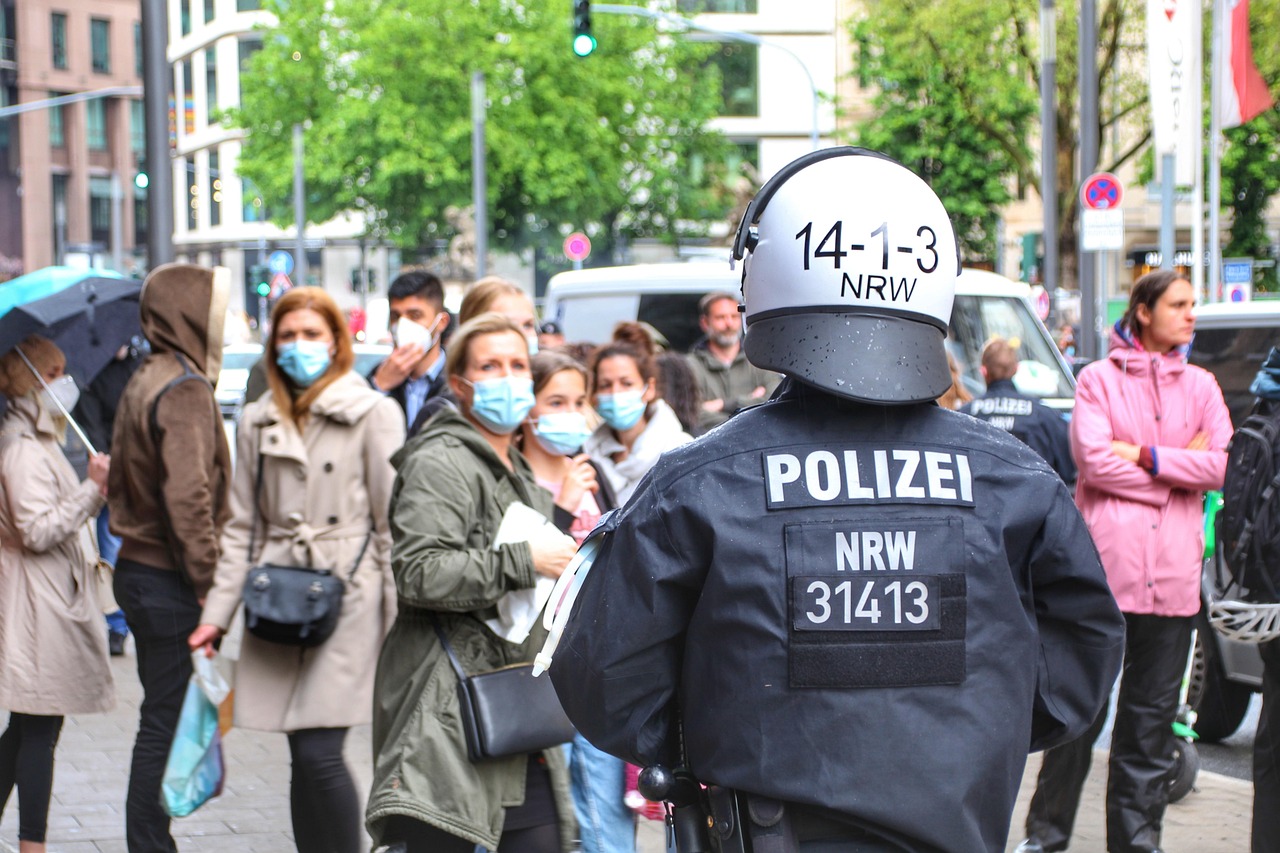
- Civil Unrest: Large-scale protests, strikes, and violence can impede transportation and cause temporary shutdowns in manufacturing and production facilities. Goods can become stuck in transit or be diverted to other areas, leading to scarcity.
- Government Instability: A change in government leadership, or political gridlock, can result in changes to trade policies. These abrupt policy shifts might include tariffs, taxes, or outright bans on specific goods.
- Military Conflicts: Tensions between nations can lead to military conflicts that directly affect transportation routes (such as the closure of shipping lanes) or the availability of materials due to blockades, sanctions, or direct destruction of infrastructure.
- Trade Embargoes: Governments can implement trade restrictions or sanctions on countries they consider adversaries. Such embargoes reduce the availability of certain goods or increase their cost dramatically, especially when critical materials like rare earth elements or pharmaceuticals are involved.
- Economic Sanctions: Countries can impose sanctions to penalize trade partner countries for political reasons. These sanctions can increase the costs of doing business with certain regions and make goods less accessible.
Key Sectors Affected by Political Instability
Political instability does not impact all goods equally. Some sectors are more vulnerable than others. These include:
- Energy: Oil and gas are particularly vulnerable to political instability, as many energy-exporting nations rely on international trade agreements. Instability in these regions can lead to spikes in energy prices or supply shortages.
- Food Production: Agricultural products, especially those grown in politically unstable regions, can face disruption due to labor shortages, transport breakdowns, or trade restrictions.
- Medical Supplies and Pharmaceuticals: Countries involved in the production of critical medicines, vaccines, or medical equipment may experience interruptions due to unrest or instability. For instance, countries like India and China are major suppliers of generic medications and active pharmaceutical ingredients (APIs). Any disruption to their production could have global consequences.
- Technology: Many electronic components and microchips are manufactured in countries facing political challenges. A shortage in these sectors can affect industries ranging from automotive to telecommunications and even military defense.
- Consumer Goods: From clothing and electronics to everyday household items, supply chains are often stretched across multiple borders. Political instability in any of these countries can create bottlenecks in the delivery of goods.
How Political Instability Affects Global Trade
Global trade relies on the smooth movement of goods across borders, which is often facilitated by complex systems of logistics, transportation, and just-in-time (JIT) manufacturing. Political instability disrupts these systems in the following ways:
- Disruption of Transportation Routes: Political instability can lead to the closure of essential transportation routes, including ports, highways, and railways. In some cases, airlines may refuse to fly over politically unstable regions, further slowing the movement of goods.
- Tariffs and Trade Barriers: Countries under political pressure may enact tariffs or non-tariff barriers, like import quotas or stringent certification requirements. This increases the cost of goods and delays delivery.
- Border Closures and Customs Delays: During times of political unrest, customs and border control may become slow, or even completely shut down, further delaying the delivery of goods. This can create severe backlogs in critical goods such as food, medicine, or energy resources.
- Currency Volatility: Political instability can lead to currency devaluation, increasing the cost of imports and affecting companies’ ability to pay for goods. If the currency is devalued too much, companies may find themselves unable to afford even basic supplies.
- Supply Chain Decoupling: In some instances, countries may decide to reduce their dependency on certain foreign suppliers due to political reasons. This could involve sourcing alternatives domestically or from politically stable regions, but it might also lead to supply shortages if viable alternatives are not readily available.
Preparing for Supply Chain Disruptions from Political Instability
As a prepper, preparing for disruptions due to political instability is not just about recognizing the risk; it’s about taking proactive steps to mitigate the impacts. Here are several key strategies preppers can use to safeguard themselves:
- Diversify Supply Sources
One of the most effective ways to prepare for political instability in trade partner countries is to diversify your supply sources. Relying on a single country or region for essential goods can leave you vulnerable. Instead, consider sourcing critical supplies from multiple regions with more stable political climates. This can reduce your dependency on a specific country, making it less likely that you will face disruptions.
- Actionable Steps:
- Establish relationships with multiple suppliers from different regions for food, medical supplies, and energy.
- Invest in local production capabilities (e.g., growing your own food or investing in local manufacturing if possible).
- Stockpile Critical Supplies
In the event of political instability, supply chains can break down rapidly. Stockpiling critical supplies can provide a buffer in times of need. Focus on items that are most likely to be affected by political instability, including:
- Food: Non-perishable food items, freeze-dried meals, and grains.
- Medical Supplies: Prescription medications, over-the-counter remedies, first-aid kits, and hygiene products.
- Energy: Batteries, solar panels, backup generators, and fuel.
- Technology: Essential electronics, tools, and hardware for self-sufficiency.
- Actionable Steps:
- Maintain a 6-12 month stockpile of food and medicine.
- Store backup energy sources, like fuel and batteries, and consider solar power options.
- Keep extra essential tech equipment on hand in case of supply shortages.
- Build Relationships with Local Communities
Building relationships with local prepper communities can provide additional support in times of need. These groups can help share resources, tools, and knowledge when supply chains break down. Mutual aid can be vital during times of disruption, as it increases your access to needed goods and services without relying on external trade partners.
- Actionable Steps:
- Join local prepper groups or online forums to stay informed and build community support.
- Offer to share resources in exchange for critical supplies or knowledge.
- Invest in Off-Grid Capabilities
If political instability leads to disruptions in utilities or services, having off-grid capabilities can provide a sense of security. Solar power, rainwater harvesting, and food production systems can ensure that you are less reliant on external trade routes for your basic needs.
- Actionable Steps:
- Set up solar panels or a wind turbine for power generation.
- Install rainwater collection systems for drinking and irrigation.
- Begin growing your own food, including fruits, vegetables, and herbs.
- Monitor Geopolitical Risks
Being proactive means staying informed about global political events. Many political risks, including civil unrest, trade embargoes, and government instability, are predictable to some degree. By monitoring news outlets, government reports, and intelligence sources, you can stay ahead of emerging political threats to your supply chains.
- Actionable Steps:
- Use geopolitical risk monitoring platforms or news services.
- Stay updated on trade policies and political stability in countries that supply your goods.
- Prepare for Inflation and Currency Devaluation
Political instability often leads to inflation and currency devaluation, especially if the instability causes an economic crisis. You should be prepared for these scenarios by investing in tangible assets like gold, silver, or other commodities, which can help protect your wealth during times of currency instability.
- Actionable Steps:
- Invest in precious metals or other assets that hold value in times of economic crisis.
- Consider cryptocurrency or barter systems as alternatives for trade during times of currency devaluation.
Conclusion
Political instability in trade partner countries is a serious risk to global supply chains. However, with careful preparation and proactive steps, preppers can mitigate the effects of such disruptions. By diversifying supply sources, stockpiling critical supplies, building community relationships, investing in off-grid capabilities, and staying informed about global political risks, preppers can strengthen their resilience against political instability. The ability to adapt and be prepared for these scenarios will make all the difference when facing future uncertainties.