
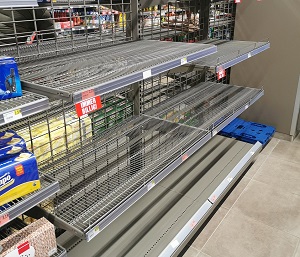
 Product Shortages is a news and information topic monitored and covered by: Prepper Watch – Supply Chain
Introduction
In the face of increasing global uncertainty, supply chain disruptions have become an ever-growing concern. These disruptions can take many forms, from natural disasters to economic crises and political instability, but one common result is the reduced availability of essential goods. For preppers, anticipating and preparing for supply chain threats is not just a matter of convenience—it’s a matter of survival.
This blog will delve into how preppers can effectively prepare for product shortages, focusing on stockpiling strategies, identifying alternative sources, and leveraging community networks to mitigate the risks associated with disrupted supply chains.
1 Understanding Supply Chain Threats and Product Shortages
Before diving into how preppers can address these threats, it’s essential to understand the underlying causes and potential impacts of supply chain disruptions.
1.1 Causes of Supply Chain Disruptions
Supply chain disruptions can be triggered by a variety of factors:
- Natural Disasters: Earthquakes, hurricanes, floods, and wildfires can devastate production facilities and transportation networks.
- Economic Instability: Economic downturns or hyperinflation can lead to price increases, manufacturing halts, or delays in shipments.
- Pandemics and Health Crises: Health-related events like the COVID-19 pandemic have shown how disruptions in labor, transportation, and manufacturing can significantly impact the availability of goods.
- Political Instability: Wars, trade disputes, sanctions, or changes in government policies can lead to restrictions on imports, tariffs, or total breakdowns in international trade.
- Cyberattacks and Technological Failures: A hack on supply chain management systems or infrastructure failure (e.g., power grid failures) can lead to widespread product shortages.
1.2 Impact on Essential Goods
Essential goods most at risk during a supply chain crisis include:
- Food and Water: Staples such as grains, canned goods, dairy, and bottled water are often the first to experience shortages.
- Medicine and Medical Supplies: Pharmaceuticals, first aid supplies, and medical devices are critical for health and survival during emergencies.
- Fuel and Energy: Gasoline, heating oil, and electricity are essential for powering homes, vehicles, and communication devices.
- Building Materials: In post-disaster scenarios, the availability of materials like lumber, cement, and other construction supplies becomes critical for rebuilding.
- Household Goods and Personal Protective Equipment (PPE): Items like soap, hand sanitizers, clothing, and hygiene products often become scarce during disruptions.
2 Stockpiling Strategies for Preppers
Stockpiling is one of the most effective ways for preppers to protect themselves from product shortages. But stockpiling doesn’t just mean buying as much as possible—it requires strategic planning.
2.1 Assessing Needs and Priorities
Every prepper’s stockpile should reflect their personal situation, including the number of people in their household, the region they live in, and the type of potential disruptions they anticipate. For example, a family living in a flood-prone area may focus more on water purification and flood-resistant materials, while someone living in an urban area might focus on food, medical supplies, and home security items.
2.2 Creating a Comprehensive Inventory
A well-organized inventory is the backbone of any stockpiling plan. Preppers should maintain a detailed list of the items they are stockpiling, including:
- Expiration dates: For perishable items, ensuring that stocks are rotated regularly to prevent spoilage.
- Quantity on hand: Keeping track of exactly how much you have so you know when to replenish.
- Critical items: Focus on the essential items you cannot live without. These might include medical supplies, food, and water.
2.3 Stockpiling Categories
When stockpiling for product shortages, it’s essential to diversify across multiple categories:
- Food: Focus on long-term storage foods like freeze-dried meals, rice, pasta, beans, canned vegetables, and fruits. Consider purchasing bulk items that can be divided into smaller portions as needed.
- Water: Secure large quantities of potable water, along with purification tablets and filtration systems.
- Medical Supplies: Ensure that you have a wide range of medical supplies, including over-the-counter medications, antibiotics (if possible), bandages, and first aid kits. Look into getting a stockpile of prescription medications if applicable.
- Energy: Stock up on fuel, batteries, solar-powered chargers, and alternative energy sources (like wind or hydro if feasible).
- Personal Care and Hygiene: Stock up on soap, toilet paper, toothbrushes, toothpaste, sanitary products, and disinfectants.
- Tools and Repair Supplies: You may need tools for home repairs, self-sufficiency projects, or to improvise in times of crisis. These might include multi-tools, hand tools, ropes, and generators.
2.4 Regular Inventory Updates
One of the most critical aspects of stockpiling is regular maintenance. Preppers should update their inventory every 6-12 months to ensure everything is up-to-date and that nothing has expired. Regular rotation of stored goods is essential to avoid waste.
3 Identifying Alternative Sources for Essential Goods
While stockpiling offers security, it’s not always feasible to stock up on everything indefinitely. In some cases, goods may be too bulky, too expensive, or simply unavailable. Therefore, preppers should also look into alternative sources for essential products.
3.1 Local and Regional Networks
Developing local networks can be extremely valuable when traditional supply chains are disrupted. By networking with local farms, manufacturers, and other small-scale producers, preppers can find reliable alternative sources for food, medicine, and tools.
- Community Gardens and Co-ops: Community gardens can serve as a source of fresh produce when store shelves are empty. Joining or starting a co-op can help ensure access to bulk items like grains and meats.
- Bartering: Bartering with neighbors or local groups can provide access to essential goods in exchange for skills, resources, or services. Preppers can offer skills such as carpentry, farming, or even first aid in exchange for food or medical supplies.
- Local Farmers and Producers: Establishing relationships with local farmers ensures a steady supply of food even if national supply chains fail. It’s essential to explore direct-to-consumer options like farmer’s markets or CSAs (community-supported agriculture).
3.2 Online and Nontraditional Markets
Even in times of disruption, the internet can be a valuable tool for sourcing hard-to-find goods. While e-commerce may become strained during extreme shortages, preppers can look for specific sources:
- Bulk wholesalers: Websites that specialize in bulk food, medical supplies, or emergency preparedness kits can serve as an additional resource.
- Secondhand and barter platforms: Online marketplaces like Craigslist or Facebook Marketplace may have individuals or small businesses selling products directly. Bartering and trade-based platforms, such as Swap.com or Freecycle, may offer alternatives.
- Emergency Supply Networks: Websites and organizations that specialize in emergency supplies may offer product bundles or hard-to-find items not available through mainstream stores.
3.3 Scouting Alternative Suppliers
In times of crisis, major suppliers may struggle to fulfill orders, leaving behind gaps in essential goods. Preppers should have backup suppliers in mind, whether it’s a local supplier of medical equipment, a farm co-op, or even international sources that can deliver in bulk.
4 Developing Self-Sufficiency Practices
While stockpiling and sourcing goods from alternative channels can cover many immediate needs, long-term preparedness requires developing self-sufficiency. Becoming less reliant on external supply chains is the ultimate form of preparedness.
4.1 Growing Your Own Food
Starting a home garden or small-scale farm can help reduce reliance on outside sources. This includes:
- Vegetable gardens: Grow staple crops like tomatoes, carrots, potatoes, and beans.
- Herb gardens: Grow medicinal and culinary herbs, such as oregano, thyme, and mint, which are easy to cultivate.
- Livestock: Raising small animals like chickens for eggs or goats for milk can supplement food supplies.
4.2 Water Collection and Filtration
Having a backup water supply is crucial. Install rainwater collection systems to capture precipitation and store it for future use. Preppers should also invest in advanced water filtration systems to ensure clean drinking water.
4.3 DIY Skills and Repairs
Learning how to fix things is an essential skill. Preppers should focus on gaining the ability to repair or repurpose items, from sewing clothes to fixing broken appliances. Being able to make do with what you have reduces dependency on external suppliers.
5 Community Preparedness and Mutual Aid Groups
No prepper is an island, and building strong community ties can provide immense benefits during a supply chain collapse. Mutual Aid Groups (MAGs) are formed to help each other during emergencies.
5.1 Building Local Networks
Establishing strong relationships with neighbors, local organizations, and community groups helps create a support network when resources become scarce. MAGs are often focused on pooling resources, sharing skills, and supporting one another in times of crisis.
5.2 Sharing Resources
By forming alliances, preppers can share goods, tools, and knowledge in times of crisis. Sharing excess stockpiled goods, or providing assistance with emergency shelter, medical care, or food, ensures that everyone in the community has access to essential supplies.
6 Conclusion
Preparing for supply chain threats and product shortages is a critical aspect of prepping. While stockpiling and diversifying sources for goods will provide immediate security, preppers must also focus on long-term self-sufficiency, community-building, and developing alternative systems for resource acquisition.
Through thoughtful planning, community collaboration, and resourcefulness, preppers can weather the storm of supply chain disruptions and ensure their survival in even the most challenging times. The key to preparedness lies not just in surviving, but thriving despite the disruptions that may come our way.