
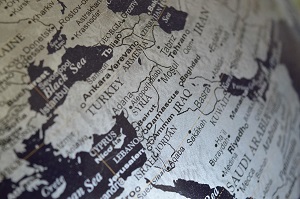
 Geopolitical Tensions Affecting Trade Routes is a news and information topic monitored and covered by: Prepper Watch – Supply Chain
Introduction: Understanding Geopolitical Tensions and Their Impact on Global Trade
In a world increasingly dependent on global trade, the disruption of supply chains due to geopolitical tensions has become one of the most significant threats to preparedness. Geopolitical instability, including conflicts between nations, territorial disputes, and economic sanctions, can severely affect global trade routes, disrupting the flow of essential resources such as food, energy, and manufacturing components. These disruptions, whether short-term or prolonged, can lead to shortages, inflation, and general economic instability that may affect individuals and communities unprepared for such events.
Preppers, those who take proactive steps to ensure their self-sufficiency in times of crisis, must understand how geopolitical tensions affect global trade routes. By doing so, they can better prepare for potential disruptions and minimize the risks posed by these threats. This blog will explore the role of geopolitical tensions in the supply chain, the risks they pose to essential goods, and the strategies preppers can employ to safeguard their families, communities, and resources against these threats.
1 The Global Trade System: A Fragile Network
Global trade routes are the lifeblood of the modern economy. The complex system involves the transportation of goods across vast distances, often passing through multiple countries, sea routes, and airspaces. Goods ranging from raw materials to finished products flow from one country to another via sea freight, air cargo, rail, and trucking. These interconnected networks rely heavily on political stability, effective governance, and peace among nations. Geopolitical tensions—whether regional conflicts, trade wars, or international sanctions—can disrupt these systems and cause widespread shortages.
Key Vulnerabilities:
- Shipping Routes: The vast majority of goods are transported by sea, using critical maritime shipping routes. The Suez Canal, the Strait of Hormuz, and the Malacca Strait are examples of chokepoints where geopolitical tensions can easily disrupt trade.
- Energy Supply: A significant portion of global energy supplies, including oil, gas, and coal, is transported across international routes. Conflict in energy-rich regions, such as the Middle East, can result in price hikes and supply shortages.
- Manufacturing Dependencies: Many nations rely on imported raw materials for their manufacturing industries. For instance, countries such as China and the United States are integral players in the global supply chain of electronics, automotive parts, and other critical sectors.
2 The Impact of Geopolitical Tensions on Supply Chains
When geopolitical tensions escalate, the ripple effects are felt across the supply chain, leading to disruptions in the production, distribution, and consumption of goods. These disruptions can manifest in several ways:
2.1 Disruption of Trade Routes
The most immediate impact of geopolitical tensions on global trade is the disruption of key trade routes. Conflicts can lead to:
- Closed Ports: Ports may be closed or blocked due to military activity, damaging or delaying the movement of goods.
- Naval Blockades: Countries engaged in conflict may establish naval blockades to restrict the movement of goods, especially vital resources like oil, food, and technology.
- Airspace Closures: Conflicts may result in the closure of airspaces, halting the transportation of goods by air, which is often the fastest and most expensive method of shipping.
2.2 Increased Costs of Shipping
The risk of conflict can drive up the cost of shipping goods. Companies may have to reroute their shipments to avoid conflict zones, which can increase the distance goods need to travel, raising fuel consumption and transportation costs. Additionally, the risk of piracy and theft can increase, further elevating the cost of goods.
2.3 Shortages of Key Resources
Geopolitical instability often leads to shortages in essential goods. For example, a trade war or embargo may prevent access to critical resources, such as rare earth metals, oil, or agricultural products. This can cause delays in production and shortages in goods, from electronics to food.
2.4 Supply Chain Bottlenecks
Even if trade routes are not completely blocked, geopolitical tensions can lead to bottlenecks in supply chains. For example, if a country imposes tariffs or other trade barriers, it may slow down the import/export process, causing delays in goods reaching their destination. This leads to stockouts in stores and factories, resulting in higher prices and reduced availability of key items.
3 Case Studies: Historical Examples of Geopolitical Tensions Disrupting Supply Chains
3.1 The Suez Canal Blockage (2021)
One of the most significant disruptions in recent memory occurred in March 2021 when the Ever Given, a massive container ship, became stuck in the Suez Canal, a vital shipping artery that connects the Mediterranean Sea to the Red Sea. For six days, traffic through the canal was halted, causing a backlog of over 400 ships and delaying the delivery of goods worth billions of dollars. This event highlighted how vulnerable the global trade system is to disruptions at key chokepoints.
3.2 The 1973 Oil Embargo
In 1973, the Organization of Arab Petroleum Exporting Countries (OAPEC) imposed an oil embargo on several Western countries, including the United States, in response to the Yom Kippur War. The embargo led to a severe oil crisis, driving up energy prices and causing widespread shortages. The impact on global supply chains was profound, as businesses and households struggled to adjust to skyrocketing fuel prices, which affected transportation and manufacturing.
3.3 Trade Wars Between the U.S. and China (2018-2020)
The trade war between the United States and China during 2018 to 2020 resulted in the imposition of tariffs on hundreds of billions of dollars’ worth of goods. This led to significant disruptions in global supply chains, particularly in electronics, steel, and agricultural products. Many manufacturers, particularly in the tech industry, faced increased production costs, and consumers faced higher prices on a range of goods, from smartphones to furniture.
4 Prepping Strategies: How to Prepare for Geopolitical Supply Chain Disruptions
To minimize the impact of geopolitical tensions on their lives, preppers must take proactive measures to ensure self-sufficiency. Below are key strategies preppers can use to prepare for supply chain disruptions caused by geopolitical instability.
4.1 Stockpiling Essential Goods
Stockpiling is one of the most fundamental strategies for preppers. By accumulating essential goods before a crisis occurs, individuals can mitigate the impact of disruptions in the supply chain. Preppers should prioritize the following items:
- Food and Water: Non-perishable food items like canned goods, rice, pasta, and freeze-dried meals should be stored in ample quantities. Similarly, water storage is crucial, as geopolitical tensions could affect access to clean water.
- Medical Supplies: A well-stocked first aid kit is essential, along with any necessary medications. Geopolitical instability can disrupt pharmaceutical supply chains, so having a six-month to one-year supply of critical medications is advisable.
- Energy Sources: Preppers should ensure they have backup energy sources, such as solar panels, battery storage, and generators. If fuel supplies are disrupted, these alternative energy sources will become invaluable.
4.2 Diversifying Suppliers and Resources
To reduce the risk of supply chain disruptions, preppers can diversify their suppliers. For example:
- Food: By sourcing food from local farmers, community-supported agriculture (CSA) programs, or backyard gardening, preppers can lessen their reliance on global supply chains for food.
- Energy: Utilizing local or decentralized energy systems, such as solar, wind, or biogas, can provide a buffer against fuel supply disruptions caused by geopolitical tensions.
- Goods and Services: By investing in local businesses and skilled trades, preppers can ensure access to essential goods and services without being entirely dependent on global trade networks.
4.3 Creating Self-Sufficient Systems
The ultimate goal of prepping is self-sufficiency. Preppers can take steps to ensure they are less dependent on external sources for their daily needs. This includes:
- Growing Food: Having a garden and raising livestock can provide a steady supply of food even if global trade routes are disrupted.
- Water Collection and Filtration: Setting up rainwater collection systems and water filtration systems can ensure access to clean water, even in the event of a supply chain breakdown.
- Energy Independence: Solar power systems, wind turbines, and other off-grid energy solutions can help preppers stay powered, even if electricity grids are disrupted.
4.4 Community Cooperation
Preparing for geopolitical supply chain disruptions is not just an individual effort. Preppers should build strong relationships within their communities to create a network of mutual assistance. By pooling resources, knowledge, and skills, prepper groups can support each other in times of crisis. This could include sharing food, medical supplies, and energy sources or collectively working on larger-scale farming or energy projects.
4.5 Tracking Geopolitical Developments
Being informed about the current geopolitical climate is essential. Preppers should regularly monitor the news and intelligence from reliable sources, including government alerts, diplomatic statements, and global trade data. Websites like Prepper Watch or news sources that focus on geopolitical risks can be helpful in tracking developing situations and preparing for potential disruptions.
Conclusion: The Importance of Vigilance and Adaptability
Geopolitical tensions affecting global trade routes present a significant and growing threat to supply chains. However, by understanding the risks and taking proactive steps to prepare, preppers can significantly reduce their vulnerability to these disruptions. Stockpiling essential goods, diversifying suppliers, creating self-sufficient systems, fostering community cooperation, and staying informed about global geopolitical developments are critical strategies for mitigating the risks posed by geopolitical tensions.
By adopting these strategies, preppers can ensure that they are not only prepared for supply chain disruptions but also resilient in the face of global uncertainty. The key to successful preparation lies in adaptability, foresight, and the willingness to take action before a crisis strikes.