
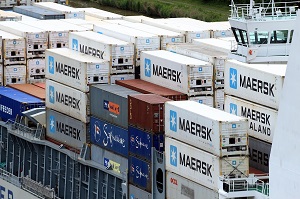
 Container and Shipping Delays is a news and information topic monitored and covered by: Prepper Watch – Supply Chain
Introduction
Supply chain disruptions are an ongoing and increasing concern for preppers, particularly when it comes to container and shipping delays. Port congestion and shipping backlogs can severely hinder the flow of goods, increasing both product scarcity and costs. For preppers, preparing for such disruptions is critical in ensuring that essential goods, from food to medical supplies, remain available during extended periods of instability. This 10-page guide will walk through the various aspects of preparing for shipping delays, including the causes, impacts, and actionable strategies preppers can use to safeguard their homes, communities, and businesses from the consequences of these disruptions.
Understanding Container and Shipping Delays
Before diving into preparation strategies, it’s essential to understand the nature of container and shipping delays and their causes. The global shipping industry is an interconnected network, and even small disruptions can trigger widespread impacts. Here’s a look at the primary causes:
- Port Congestion: High demand and insufficient infrastructure can cause bottlenecks at ports, especially in major hubs like Los Angeles, Rotterdam, or Singapore. When too many ships are waiting to unload their cargo, delays occur.
- Labor Shortages: A shortage of dock workers, truck drivers, and other key personnel can slow down unloading, processing, and transportation of goods.
- Global Events: Natural disasters, pandemics, geopolitical tensions, and other large-scale events can all disrupt shipping schedules, further exacerbating delays.
- Shipping Container Shortages: The shortage of containers can restrict the ability to move goods across the world, especially if shipping companies can’t get their containers back to ports where they are needed.
- Rising Fuel Costs: Increased fuel prices due to geopolitical instability or other factors often result in delayed shipments as companies adjust their routes or schedules to account for higher transportation costs.
These factors compound into severe disruptions in product availability, with long-lasting effects on everything from grocery store shelves to the delivery of spare parts for critical machinery.
The Impact of Shipping Delays on Preppers
When the shipping system is under strain, it becomes difficult to get the goods you depend on. Preppers rely on stable and reliable supply chains for everything from food, water, and medical supplies, to energy products like propane and batteries. Let’s break down the potential impact of shipping delays:
- Increased Prices: As shipping delays lengthen, the scarcity of goods leads to price hikes. Preppers might find themselves unable to afford the same amount of supplies for their stockpiles.
- Depletion of Stock: Delays can cause critical products to go out of stock. This can affect food, fuel, and medical supplies, leaving preppers scrambling to find alternatives.
- Availability of Essentials: Items like water filters, batteries, medical equipment, and tools may become increasingly difficult to acquire, leaving preppers vulnerable in the event of an emergency.
- Quality and Safety Concerns: The longer goods sit in warehouses or on ships waiting to be processed, the higher the risk that they might degrade or deteriorate. For example, food products might have shorter shelf lives or be exposed to conditions that affect their quality.
For preppers, understanding these impacts allows for better foresight when building contingency plans.
Building a Resilient Prepper Stockpile
The first line of defense against shipping delays is a well-prepared stockpile. While stockpiling can’t completely eliminate the risks associated with shipping disruptions, it can provide a buffer for the short-term.
Essential Steps to Build a Stockpile for Shipping Delays:
- Assess Needs: Identify the most critical supplies needed for your family’s survival. This includes food, water, medical supplies, fuel, and other essentials. Take note of your consumption rate and plan accordingly.
- Diversify Sources: Instead of relying on a single supplier or location, diversify your sources. This could mean using multiple suppliers, both local and online, and even acquiring goods from different countries when possible.
- Focus on Shelf-Stable Goods: Canned goods, freeze-dried foods, and long-lasting staples like rice, beans, and pasta are great options. These items often have long shelf lives and can be stored for extended periods.
- Rotate Stock: Periodically use and replace items in your stockpile to ensure that older goods don’t spoil before they’re used. Implement a first-in, first-out (FIFO) system to rotate your supplies.
- Bulk Purchases: Purchasing bulk quantities of essential items will protect against price increases due to shipping delays. Consider buying extra quantities of essentials like canned goods, water filters, and medical supplies.
By carefully curating a resilient stockpile, preppers ensure they can weather the initial disruptions caused by shipping delays.
Increasing Self-Sufficiency
Another long-term strategy is to reduce dependence on external supply chains altogether. Increasing self-sufficiency ensures that preppers can rely on their own resources rather than waiting for shipments to arrive.
Self-Sufficiency Strategies Include:
- Growing Your Own Food: Start an organic garden or establish a food forest to produce fruits, vegetables, and herbs. Learn about permaculture and sustainable farming practices to make the most of available land.
- Raising Livestock: Depending on your space, consider raising chickens, goats, or even cattle. This ensures a supply of eggs, milk, and meat even when external food sources are limited.
- Water Harvesting: Install rainwater collection systems to provide water for drinking, irrigation, and washing. Having an alternative water source decreases reliance on bottled or city water supplies.
- Alternative Energy Solutions: Solar panels, wind turbines, and backup generators can ensure that you’re not dependent on the grid, which may also be impacted by shipping delays in fuel or spare parts.
Self-sufficiency is a powerful way to reduce your reliance on a fragile global supply chain and protect yourself from shipping delays.
Investing in Local Production
Local production can act as a lifeline when global supply chains are disrupted. By investing in local manufacturing, you help keep critical goods flowing in your community, even when international shipping networks are strained.
Key Areas to Invest in Locally:
- Food Production: Invest in small-scale farming or community gardening initiatives that can provide fresh produce during disruptions.
- Energy Production: If feasible, install renewable energy systems like solar panels, wind turbines, or hydroelectric generators to ensure your power needs are met.
- Medical Supplies: If you have the resources, consider supporting local producers of medical supplies, such as alternative medicine producers, herbalists, or even small local pharmacies.
By bolstering local production systems, preppers create a safety net when larger global supply networks are slow to recover from disruptions.
Alternative Transportation and Delivery Methods
Shipping delays often result from bottlenecks in traditional transportation methods. For preppers, it’s essential to have a backup plan for receiving critical supplies when shipping delays prevent timely deliveries.
Alternative Delivery Methods:
- Direct Pickup: Whenever possible, pick up supplies directly from local suppliers rather than relying on delivery services. This reduces the dependency on long-haul trucking and port congestion.
- Regional Distribution Networks: Many preppers are investing in regional supply networks that can bypass global delays. These systems can provide essential goods on a more local level, helping avoid delays caused by port congestion or shipping backlogs.
- Peer-to-Peer Delivery Systems: Consider organizing local delivery systems with trusted members of your prepper community. Using trusted individuals for local deliveries can ensure that essential goods reach you without relying on commercial shipping systems.
These alternative transportation methods ensure that your supplies continue to flow even when global shipping networks experience delays.
Securing Backup Supplies and Contingencies
While it’s important to have a stockpile, preppers should also be aware of the potential need for backup supplies and contingencies when the primary stockpile runs low or becomes insufficient due to shipping delays.
Backup Plans Include:
- Alternative Suppliers: Research multiple suppliers and local vendors who might be able to provide essential items during disruptions. Know where to turn if your usual supplier faces delays.
- Scalability: Make sure your storage options are scalable so that you can increase your stockpile when necessary.
- Bartering and Trading: In times of disruption, bartering can become an essential practice. Consider cultivating relationships with local preppers or community groups for exchange of goods and services during shortages.
A backup plan that includes multiple contingencies ensures that you won’t be caught off guard when your primary supply chain is disrupted.
Strategic Partnerships and Community Involvement
When shipping delays become widespread, they affect everyone. For this reason, it’s important to form strategic partnerships within your community or prepping network to ensure mutual support.
Building Community Connections:
- Mutual Assistance Groups (MAGs): These groups can pool resources and share supplies when individuals face shortages.
- Local Networks: Connect with nearby farmers, small business owners, and other preppers to coordinate efforts in securing and distributing supplies.
- Bartering Systems: Build a community barter system where goods and services can be exchanged. This reduces reliance on commercial supply chains and ensures access to essential items.
By strengthening community ties and working together, preppers can reduce the impact of shipping delays on their daily lives.
Monitoring and Responding to Global Events
One of the keys to preparing for shipping delays is staying informed. Global events can affect shipping schedules, and being proactive can help you anticipate delays before they become a crisis.
How to Stay Informed:
- Track Shipping News: Use resources like the MarineTraffic app, global shipping news sites, and local ports’ websites to stay updated on shipping congestion and delays.
- Monitor Economic and Geopolitical Events: Keep an eye on international news to predict potential disruptions, such as labor strikes, natural disasters, or trade wars that could impact shipping.
- Technology Solutions: Use AI-powered tools like Prepper Watch to receive real-time updates about global shipping conditions, allowing you to adjust your plans accordingly.
Staying informed is crucial in preparing for and mitigating the effects of shipping delays.
Conclusion: Preparing for Uncertainty
Supply chain disruptions caused by container and shipping delays are inevitable in an interconnected world. However, with the right strategies, preppers can ensure that they remain prepared, even when global systems falter. By building resilient stockpiles, increasing self-sufficiency, investing in local production, and developing contingency plans, preppers can weather the storm and minimize the impact of these disruptions.
Through careful planning, community involvement, and constant vigilance, preppers can stay one step ahead of shipping delays and continue to live sustainably, even in the face of significant supply chain threats.