
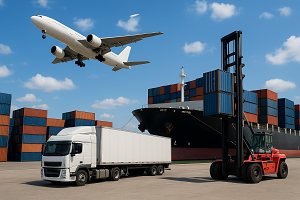
 Resource Distribution Failures topic monitored and covered by: Prepper Watch – Infrastructure
Introduction
Infrastructure failures are a significant concern for preppers, especially when it comes to the disruption of resource distribution systems. The breakdown of supply chains for essential resources like food, water, and other vital commodities can have a catastrophic impact on communities. Whether caused by natural disasters, economic instability, political crises, or technological failures, such breakdowns in the distribution network can leave individuals and communities without the necessary resources for survival.
As preppers, it is critical to understand the implications of such disruptions and take proactive steps to ensure that we are well-prepared for any eventuality. This blog will explore strategies that preppers can adopt to protect themselves from the devastating effects of resource distribution failures.
Understanding Resource Distribution Failures
Resource distribution failures occur when the systems responsible for transporting goods from production centers to consumers break down. These systems often involve a complex network of transportation, logistics, and storage, making them vulnerable to various threats. Some common causes of resource distribution failures include:
- Natural Disasters: Earthquakes, hurricanes, floods, and wildfires can disrupt transportation infrastructure such as roads, railways, and ports, making it difficult to move goods.
- Economic or Political Instability: Economic collapse or political instability in key trading nations can lead to trade restrictions, embargoes, or the breakdown of supply chains.
- Cyberattacks: With increasing reliance on digital systems for logistics, cyberattacks on critical infrastructure can cripple resource distribution.
- Pandemics: Global health crises can lead to labor shortages, quarantine measures, and transportation disruptions, severely affecting supply chains.
- Technological Failures: A failure in automation systems, communication technologies, or logistical tracking can lead to inefficiencies in resource delivery.
For preppers, understanding the causes of resource distribution failures allows for more targeted and effective preparations. By anticipating the challenges that can arise from such disruptions, you can put measures in place to ensure that you and your family are equipped to weather the storm.
Key Areas of Concern for Preppers
The most critical areas of concern when it comes to resource distribution failures are food, water, medical supplies, fuel, and other essential goods. Below is a breakdown of how each of these areas can be impacted by supply chain disruptions:
- Food Supply
Food is one of the most vulnerable resources in times of infrastructure failures. Disruptions in food distribution can lead to shortages, price hikes, and increased competition for limited resources. Long-term food shortages can create a situation where only those with adequate preparations will have access to nourishment.
- Shelf-Life of Food: Preppers should prioritize foods with long shelf-lives that are both nutritious and easy to store. Canned goods, freeze-dried meals, and bulk grains like rice and wheat are popular choices for long-term storage.
- Growing Your Own Food: Starting a garden or homestead allows you to become less reliant on external food sources. Heirloom seeds, raised garden beds, and permaculture methods can help increase your self-sufficiency.
- Food Preservation: Learn how to preserve food through techniques like canning, dehydrating, fermenting, and smoking. These methods allow you to extend the shelf life of fresh foods and stockpile them for emergencies.
- Water Supply
Access to clean, drinkable water is essential for survival. In the event of a breakdown in resource distribution, the availability of clean water may become limited or unavailable.
- Water Storage: Preppers should have a dedicated water storage plan. Store enough water for at least a month for each person in the household, with a minimum of one gallon per person per day.
- Water Filtration: In the event that water becomes contaminated or scarce, water filtration systems like reverse osmosis, water filters, or purification tablets can make water from rivers, lakes, or even rain safe to drink.
- Rainwater Harvesting: Setting up a rainwater harvesting system is a great way to collect fresh water from natural sources. Ensure that you have adequate filtration to make the water potable.
- Water Wells: If you live in an area with access to groundwater, investing in a well can provide an independent and long-term water source. Hand pumps and solar-powered pumps can be used to extract water during an emergency.
- Medical Supplies
A breakdown in resource distribution could impact the availability of medical supplies, including prescription medications, over-the-counter drugs, and first-aid materials.
- Stockpiling: Preppers should maintain a well-stocked medical kit that includes bandages, antiseptics, antibiotics, pain relievers, and other basic supplies. Also, stockpile critical prescription medications if possible, working with your doctor to ensure you have a sufficient supply.
- Alternative Medicine: Learning about herbal remedies and natural treatments can help in situations where traditional pharmaceuticals are unavailable. Common herbs like echinacea, garlic, and peppermint can be used for various ailments.
- Medical Training: In a resource-disrupted world, basic first aid and medical knowledge can save lives. Consider taking courses in first aid, CPR, trauma care, and other essential medical skills.
- Fuel Supply
Fuel is necessary for transportation, heating, cooking, and operating generators. A disruption in fuel supply can make everyday activities difficult or impossible.
- Alternative Fuel Sources: Solar power, wind energy, and biofuels are renewable energy sources that can help preppers reduce their dependence on conventional fuel supplies.
- Fuel Storage: Storing extra fuel for your vehicles and generators can ensure that you are not caught off guard by a fuel shortage. Keep in mind the safety precautions for storing flammable liquids.
- Wood and Biomass: If fuel becomes unavailable, having an alternative heating source like a wood stove or a rocket stove can be crucial for warmth and cooking.
- Other Essential Goods
Beyond food, water, and fuel, there are other essentials that preppers should consider, such as clothing, sanitation products, hygiene supplies, and tools.
- Barterable Goods: In a collapsed economy, goods such as ammunition, tools, or alcohol can become valuable items for trade. Stockpiling these items can help you maintain flexibility in an emergency situation.
- Sanitation: Without access to regular waste removal systems, sanitation becomes a serious concern. Consider alternatives like composting toilets, trash bags for waste, and enough cleaning products to maintain hygiene.
- Tools and Skills: Having the right tools and knowledge can make a huge difference when infrastructure systems fail. Invest in manual tools, repair kits, and learn DIY skills for everything from plumbing to basic carpentry.
Creating a Resource Distribution Contingency Plan
A well-thought-out contingency plan is essential for surviving resource distribution failures. Here are the steps that preppers should take to ensure they are prepared:
- Assess Your Needs
Start by taking stock of your current situation. How many people are in your household? What are their specific needs? Make a list of all the resources you rely on daily, and assess how long you could survive without access to each resource.
- Identify Local Vulnerabilities
Understanding your community’s reliance on outside resources is essential. Identify the weaknesses in your local supply chains. Are there vulnerable transportation routes? Are you reliant on external water sources? Knowing these risks will allow you to plan accordingly.
- Establish Backup Systems
Plan for alternatives in case one of your resources becomes unavailable. Consider how you can generate your own power, produce your own food, and source your own water. Make sure you have backup methods in place for heating, cooking, and staying clean.
- Diversify Your Supplies
Diversifying your supply sources can protect you from dependency on a single vulnerable system. For example, do not rely on just one source for water or food. Have multiple backup systems for each critical resource.
- Create a Community Network
Building relationships with like-minded individuals can provide additional security during a resource distribution failure. A network of neighbors, friends, and fellow preppers can share resources, skills, and knowledge, making it easier to navigate emergencies.
- Practice Your Plan
Preparation is key, but practice is even more important. Run drills and test your emergency systems. Practice getting water from your rainwater harvesting system, cooking without electricity, or purifying water. The more familiar you are with your backup systems, the more effectively you can implement them in an emergency.
Conclusion
Resource distribution failures pose a serious threat to individuals and communities, but with the right preparations, preppers can mitigate the risks and ensure their survival. By focusing on self-sufficiency, diversification of resources, and a robust contingency plan, preppers can weather the storm of supply chain disruptions.
Preparation for resource distribution failures is an ongoing process that requires continuous evaluation and adaptation to new threats. By staying vigilant, proactive, and adaptable, preppers can remain resilient and capable of thriving in the face of challenges to infrastructure systems.
The key to surviving any disaster or disruption lies in being prepared. For preppers, the time to act is now – before the next crisis strikes.