
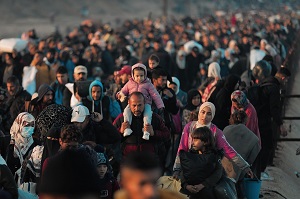
 Population Displacement or Refugee Crises topic monitored and covered by: Prepper Watch – Geopolitical
Introduction
In today’s increasingly volatile world, the threat of population displacement or refugee crises is becoming more pronounced. Whether triggered by natural disasters, economic collapse, or military conflict, these crises can result in massive movements of people, overwhelming infrastructure and creating instability. For preppers, this scenario presents unique challenges, but with the right strategies, it is possible to mitigate the impacts and prepare for such a catastrophic event.
In this guide, we will explore how preppers can prepare for population displacement or refugee crises, focusing on aspects like survival, security, resource management, and community resilience. We will break the preparation down into practical steps, outlining the essential considerations and tactics that can help you stay safe and self-sufficient during times of mass migration and upheaval.
Understanding the Causes of Population Displacement
Population displacement can occur due to various reasons, including:
- War and Military Aggression: Armed conflicts often result in mass migrations as people flee from violence, occupation, or destruction. Refugees might be forced to leave their homes with limited resources, creating strain on both the displaced population and the regions that receive them.
- Economic Collapse: Economic instability, particularly in developing nations, can lead to widespread poverty and unemployment, prompting people to migrate in search of better opportunities. An economic collapse in a developed country can also lead to internal displacement, with people moving from urban to rural areas or across borders.
- Natural Disasters: Earthquakes, hurricanes, floods, droughts, and wildfires can lead to significant displacement. Coastal regions and low-lying areas are particularly vulnerable to environmental disasters, which can destroy infrastructure and force residents to evacuate.
- Climate Change: Long-term environmental changes, such as rising sea levels, desertification, and extreme weather events, are contributing to a growing number of climate refugees. As agricultural land becomes uninhabitable or coastal areas are submerged, millions could be forced to migrate.
- Political Instability and Authoritarianism: When governments collapse or become authoritarian, citizens may flee to escape oppression, persecution, or the collapse of social order. Political instability often exacerbates the economic and social factors that lead to mass migration.
Assessing the Impact on Local Communities and Infrastructure
Population displacement strains local infrastructure and resources. Understanding the potential impacts can help preppers plan accordingly.
- Overloaded Infrastructure: As refugees flood into urban areas, basic services such as healthcare, water, food, and sanitation can become overwhelmed. Roads, public transportation, and communication networks may fail to cope with the increased demand, leading to chaos and shortages.
- Resource Scarcity: The sudden influx of people can drive up the demand for essential resources like food, water, fuel, and medical supplies. This can lead to panic buying, hoarding, and social unrest as locals and displaced persons alike fight for survival.
- Social Unrest: In times of displacement, competition for limited resources can create tension between refugees and host populations. Differences in language, culture, and religion can exacerbate these tensions, potentially leading to violence or civil unrest.
- Health Crises: Displacement often leads to overcrowded conditions in temporary shelters, increasing the risk of disease outbreaks. Refugees may also bring infectious diseases from their home countries, putting additional strain on healthcare systems.
Building Self-Sufficiency and Resource Independence
The foundation of prepping for a population displacement scenario is ensuring that you can rely on your own resources. Being self-sufficient reduces your dependency on external systems, which may be disrupted or overwhelmed during a crisis.
- Water and Food Security: Having a robust water filtration system and a stockpile of long-term food is crucial. Focus on preserving water and food that can last for extended periods. Consider investing in solar-powered water pumps, rainwater collection systems, and portable water filters. For food, stockpile freeze-dried meals, MREs, canned goods, and staple foods such as grains, legumes, and dried fruits. Additionally, growing your own food through gardening or permaculture can provide long-term food security.
- Energy Independence: A reliable energy source is vital in a crisis. Invest in off-grid solar power systems, wind turbines, and backup generators. Store ample fuel for cooking, heating, and power generation. Having a renewable energy system in place will allow you to avoid relying on a strained grid.
- Medical Preparedness: Medical supplies can be difficult to acquire during a refugee crisis, and healthcare systems may be overwhelmed. Ensure you have a well-stocked medical kit, including basic first aid supplies, prescription medications, over-the-counter remedies, and specialized medical equipment (such as a portable oxygen concentrator if needed). You may also need knowledge of basic healthcare procedures, as professional care may be inaccessible.
- Alternative Communication Methods: In the event of widespread communication breakdowns, maintaining communication with others in your community or network will be crucial. Invest in satellite phones, two-way radios, and HAM radios. Learn how to use these systems, as they will be essential for relaying information and coordinating with others during a disaster.
Securing Your Home and Property
In times of population displacement, the risk of looting, theft, and civil unrest rises dramatically. Securing your home and property will be essential for ensuring your safety and the safety of your loved ones.
- Fortify Entry Points: Reinforce doors and windows with steel bars, deadbolts, and security systems. Consider adding motion sensors, security cameras, and external lighting to deter intruders.
- Defensive Measures: If possible, acquire firearms, non-lethal weapons (such as pepper spray), and other self-defense tools. Develop and practice security protocols, such as watch schedules, safe zones, and emergency escape routes.
- Evacuation Plan: While it’s important to prepare for staying put, it’s equally important to have an evacuation plan. If your area becomes untenable, knowing when and how to leave is crucial. Map out multiple routes to safe zones and ensure your vehicle is prepared for long-distance travel, with supplies such as fuel, food, and water.
Community Building and Collaboration
In times of mass displacement, forming or joining a prepper group or mutual aid network can provide significant benefits. Working together can enhance security, share resources, and offer support when needed.
- Neighborhood Watch Programs: Join or create a neighborhood watch program to increase the collective security of your community. Sharing resources, information, and defense strategies with others can help ensure that your area remains safe during a crisis.
- Mutual Assistance Groups (MAGs): MAGs are groups of preppers who agree to work together in times of crisis. These groups can share food, water, medical supplies, and expertise. Developing a MAG with trusted individuals is an essential step in ensuring you have support during difficult times.
- Cooperative Resource Management: Share resources such as gardening tools, generators, or livestock with others in your community. By pooling your resources, you can reduce the strain on individual supplies and increase your collective resilience.
Developing Psychological Resilience
Population displacement is not just a physical challenge—it is also a mental and emotional one. Maintaining psychological resilience is key to surviving a refugee crisis.
- Stress Management: Long-term displacement can lead to anxiety, depression, and trauma. Practice mindfulness, meditation, and relaxation techniques to manage stress. Ensure you have coping strategies for dealing with fear, isolation, and uncertainty.
- Community Support: Having a strong social support system is crucial for maintaining mental health. Regularly communicate with your prepper network, and consider establishing community gatherings or support groups where individuals can share their experiences and offer mutual aid.
- Adaptability: Flexibility and the ability to adapt to changing circumstances are vital. Practice mental exercises that improve your ability to adjust quickly to new situations and challenges. The more adaptable you are, the better you can handle the unpredictable nature of a refugee crisis.
Planning for Long-Term Displacement
While the initial stages of a population displacement crisis will be chaotic, long-term planning is also necessary. Refugee camps and migration routes can become permanent in some cases, requiring sustainable living solutions.
- Sustainable Living: Consider long-term solutions for survival, such as creating a permanent off-grid homestead, investing in renewable energy, or setting up a farming system that can be sustained without external aid. Develop strategies for long-term water and food production, even in uncertain circumstances.
- Legal and Financial Preparedness: Keep essential documents, such as identification, birth certificates, medical records, and proof of ownership, in a safe and portable location. Legal disputes and identity challenges can arise during mass migrations, so being organized and prepared will help.
Conclusion
Population displacement and refugee crises represent some of the most severe challenges a prepper could face. The ability to prepare for these crises involves more than just stockpiling supplies—it requires developing self-sufficiency, securing your property, building community support, and strengthening your mental and emotional resilience. By understanding the causes and impacts of displacement, preppers can take proactive steps to protect themselves and their loved ones while contributing to their communities’ survival during times of mass migration and upheaval.