
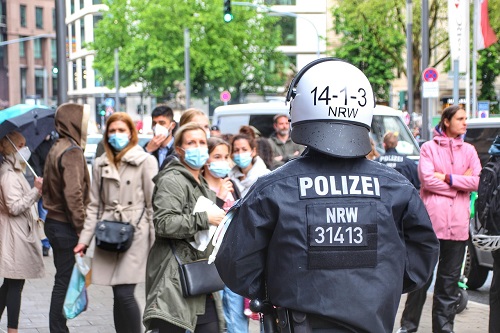
 Political Unrest is a news and information topic monitored and covered by: Prepper Watch – Security and Safety
Understanding the Threat of Political Unrest
Political unrest can erupt with little warning—sparked by contentious elections, authoritarian crackdowns, civil rights disputes, economic grievances, or ideological polarization. As a prepper, understanding the landscape of potential unrest is critical for personal safety, community resilience, and survival.
Key Risks of Political Unrest:
- Civil protests turning violent
- Military or police crackdowns
- Government shutdowns or collapses
- Restricted movement (curfews, martial law)
- Supply chain disruptions
- Increased criminal activity
Prepping for political instability isn’t about choosing sides; it’s about ensuring you and your family can survive chaos with a clear plan and sufficient resources. This guide walks through the practical steps to prepare for civil disturbances and government instability.
Situational Awareness and Risk Analysis
The first step in preparing for political unrest is monitoring the pulse of your region. Early warning signs often present themselves in news, local activism, and political discourse.
Monitor:
- Local news and alternative media: Track protests, strikes, or government overreach.
- Social media trends: Pay attention to hashtags and viral posts that could hint at civil mobilization.
- Legislation changes: Watch for emergency powers, censorship laws, or asset freezes.
- Local government behavior: Sudden increases in military presence or police funding can signal unrest.
Build a Political Risk Profile:
- Is your region prone to demonstrations or conflict?
- Are you near a political or economic center (capital, financial district)?
- Is your local population highly divided or armed?
Use these answers to shape your prepping strategy.
Urban vs Rural Preparedness
Where you live drastically impacts how you should prepare.
Urban Areas:
- Higher risk of protests, riots, looting
- Police presence and surveillance are higher
- Supply chains may be cut off quickly
- Harder to bug out once chaos begins
Preparation Focus:
- Reinforce home security
- Keep low profile (grey man tactics)
- Cache emergency supplies nearby
- Plan discreet escape routes
Rural Areas:
- Less direct impact of unrest
- Slower news, fewer services
- May see influx of urban refugees
- Possibility of government neglect or isolation
Preparation Focus:
- Build local alliances and mutual aid
- Secure your perimeter
- Increase long-term self-sufficiency
- Monitor incoming travel into your area
Home Fortification and Security
Political unrest often leads to property damage, looting, and home invasions. Securing your home becomes vital.
Key Fortifications:
- Reinforced doors and deadbolts
- Security window film or bars
- Motion-sensor lighting and cameras
- Alarm system or DIY alerts (tripwire, bells)
Defensive Prep:
- Non-lethal deterrents: Pepper spray, air horns, paintball guns
- Legal self-defense tools: Firearms (where legal), knives, clubs
- Safe room: Reinforced space for hiding or hunkering down
- Concealment: Avoid visible wealth (no flashy cars, visible gear)
Remember: visibility attracts conflict. A discreet, hardened home is a safer one.
Emergency Supplies for Civil Unrest
During periods of unrest, regular supply chains are often the first to collapse. Stores close, roads block, and deliveries cease.
Stockpile Essentials:
- Food: 3-6 months shelf-stable items (rice, beans, canned meats, MREs)
- Water: 1 gallon per person per day (minimum 30-day supply)
- Fuel: Propane, gasoline, firewood, backup batteries
- Medical supplies: Trauma kits, antibiotics, over-the-counter meds, prescriptions
- Cash and barter goods: Small denominations, silver coins, tradeables (lighters, batteries, hygiene)
Think Layers:
- Primary cache: Home pantry
- Secondary: Hidden compartments in your home
- Tertiary: Offsite or bug-out bag reserves
The goal is to be as independent from society as possible during peak unrest.
Communication and Intelligence Gathering
When society becomes unstable, information becomes currency. Staying informed while maintaining operational security is critical.
Tools for Communication:
- HAM radios and scanners: Monitor local chatter and emergency services
- CB radios: Great for short-range updates
- Offline maps and GPS units
- Codewords and check-in systems with family or prepper group
Practice COMSEC:
- Avoid revealing prepping plans online
- Use VPNs and encrypted messaging (Signal, ProtonMail)
- Establish silent meeting locations and backup rendezvous points
Communication failures during political unrest can be deadly. Prep for redundancy.
Bug-In vs Bug-Out Strategies
Sometimes staying put is safer than moving. Other times, staying is a death sentence. Political unrest makes this decision more complex.
When to Bug-In:
- Your home is secure and stocked
- Your area is calm or remote
- Roads are unsafe or blocked
- Government crackdowns haven’t reached you
When to Bug-Out:
- Your neighborhood is seeing violence
- Martial law or checkpoints restrict movement
- Fires, looting, or mobs are near
- Utilities are shut down long-term
Bug-Out Preparation:
- Have a packed bag ready: clothes, food, water filter, tools, ID, self-defense
- Establish safe routes and destinations (cabins, trusted allies, rural zones)
- Cache supplies along the route if possible
- Practice leaving in 10 minutes or less
Community Preparedness and Alliances
During unrest, trusted alliances may save your life.
Build Local Networks:
- Prepper or MAG groups: Mutual assistance during crises
- Skills-based alliances: Medics, mechanics, farmers
- Communication trees: Share updates and coordinate actions
Community Safety Tips:
- Don’t advertise your prepper status
- Organize watches or neighborhood patrols
- Share resources selectively—build loyalty, not dependency
- Document threats and suspicious activity
Unity within your group or neighborhood can provide protection and reduce isolation.
Legal and Ethical Considerations
In unstable environments, the law may become ambiguous—or disappear. However, ethical behavior builds long-term survival.
Know Your Rights:
- Understand local self-defense laws
- Learn about martial law provisions in your region
- Document encounters with authorities or looters if possible
Avoid:
- Engaging in illegal activities that draw attention
- Using excessive force unless in immediate danger
- Stealing or looting (even if others do)
Ethical preppers survive with honor and contribute to community rebuilding post-chaos.
Long-Term Recovery and Resilience
Surviving the unrest is only part of the journey. Prepping includes post-event recovery and resilience building.
Long-Term Strategies:
- Rebuild gardens and food sources
- Reinforce alliances and networks
- Train in barter and alternative economies
- Start or join rebuilding efforts (with caution)
Reflect and Adjust:
- What worked in your plan?
- What failed or lacked redundancy?
- What risks emerged that you didn’t expect?
Prepping isn’t about fear—it’s about future-proofing. Political unrest may spark collapse or transformation, but those who prepare with foresight, calm, and integrity will endure and rebuild.
Conclusion
Political unrest may feel like the collapse of order, but for the prepared, it’s a trial that can be survived with resilience, planning, and community. Stay alert, stay ready, and stay human.
Would you like this formatted for print, blog post layout, or as a downloadable PDF?