
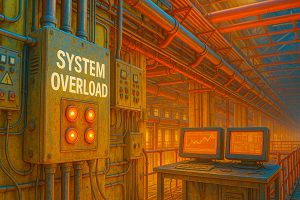
 Overloaded Infrastructure Systems topic monitored and covered by: Prepper Watch – Infrastructure
Introduction
The resilience of modern society is heavily reliant on its infrastructure systems, such as power grids, water supplies, communication networks, and transportation networks. However, these systems are not invulnerable. Overloaded systems—where demand exceeds capacity—can lead to failures and significant disruptions, impacting everything from daily life to the survival of entire communities. For preppers, preparing for infrastructure overload is an essential aspect of ensuring that they can weather any storm, whether natural or man-made. This guide will explore how preppers can anticipate, mitigate, and respond to the consequences of overloaded infrastructure systems.
Understanding Infrastructure Overload
Infrastructure overload occurs when demand on a system exceeds its capacity to handle it. This could manifest in various ways:
- Power Grids: Increased demand during extreme weather events or societal disruptions could cause blackouts or brownouts, leaving entire regions without electricity.
- Water Systems: Population surges, contamination, or poor maintenance can lead to water shortages, compromised quality, and system failures.
- Communication Networks: A surge in digital activity or physical damage to cables and towers can overwhelm communication networks, causing delays in critical information transfer.
- Transportation Networks: System failures or increased traffic—such as during disasters—can delay goods and people, leading to shortages and heightened societal instability.
Overloaded infrastructure can create cascading effects on the economy, health, security, and overall well-being of communities. For preppers, this necessitates a multi-pronged approach that blends preparedness, adaptation, and alternative systems.
Assessing the Risk: When Will Infrastructure Overload Occur?
While infrastructure overload can happen at any time, certain conditions make it more likely. Key triggers for infrastructure overload include:
- Natural Disasters: Earthquakes, hurricanes, floods, and wildfires can damage infrastructure, leading to increased demand for services and delays in recovery.
- Social and Political Unrest: Civil unrest, strikes, or large-scale movements of people can overwhelm transportation, communication, and public service systems.
- Pandemics: A sudden increase in healthcare demand, combined with reduced capacity due to illness or isolation protocols, can lead to failure in medical systems and utilities.
- Economic Crises: When economic instability causes widespread panic, people may rush to withdraw money, buy supplies, or leave cities, leading to overburdened financial and transportation systems.
Preppers must stay attuned to both local and global developments, monitoring indicators that signal infrastructure stress. Identifying these events early allows preppers to initiate their contingency plans before systems collapse.
Preparing for Power Grid Failures
Power grid failures are one of the most immediate consequences of infrastructure overload, especially during natural disasters or extreme weather. Preppers can take several steps to ensure they are prepared for power grid disruptions:
Energy Storage
- Solar Power Systems: Investing in solar panels, battery storage, and inverters can provide independent power for essential devices such as lights, fridges, and communication tools.
- Backup Generators: Diesel or gas-powered generators are critical for short-term power needs, though their fuel must be stored properly to avoid spoilage.
- Power Banks and Solar Chargers: For smaller devices, solar-powered chargers and high-capacity power banks can be indispensable, especially for communication tools like phones and radios.
Energy Conservation
- LED Lighting: Switching to energy-efficient lighting like LEDs will reduce the overall power consumption during a blackout.
- Non-Electric Appliances: Consider investing in alternatives such as hand-cranked or battery-powered radios, manual kitchen tools, and battery-operated fans.
- Temperature Management: Prepare for heating or cooling your shelter using non-electric methods, such as wood stoves, propane heaters, or insulated clothing.
Backup Systems
- Critical Infrastructure Redundancy: If possible, install a second, independent power system (e.g., a backup generator or solar setup) to power only essential systems.
- Off-Grid Living: Moving to a more self-sufficient lifestyle with off-grid capabilities ensures that you are not solely reliant on the grid.
Water System Preparation
Water systems are another critical area that preppers need to address, as infrastructure overload can lead to water shortages, contamination, or quality degradation.
Water Storage
- Rainwater Harvesting: Setting up a rainwater collection system can provide a steady supply of clean water. Storage barrels or tanks should be placed in strategic locations where rainfall is frequent.
- Water Bottles and Containers: Stock up on large-capacity water containers to ensure that you have enough drinking water during emergencies.
- Water Filtration Systems: A good filtration system will allow you to purify contaminated water from rivers, lakes, or ponds. Portable filtration devices and purification tablets can also be used for smaller needs.
Emergency Water Supplies
- Water Purification Kits: Have several kits on hand that include iodine tablets, activated charcoal, or UV sterilization devices.
- Boiling Water: In the absence of water purification tools, boiling water for at least one minute can make it safe for drinking.
- Water Containment: Store water in clean, food-grade containers to avoid contamination.
Water Conservation
- Low-Flow Faucets: Install low-flow toilets, faucets, and showerheads to conserve water, reducing overall demand.
- Gray Water Systems: Set up systems to reuse wastewater from showers or sinks for flushing toilets or irrigation.
- Water-Saving Techniques: Implement strategies such as washing dishes in a pan rather than under running water and using minimal water for cooking.
Communication System Failures
Communication systems are vital during emergencies to relay information. However, overloaded communication systems—especially mobile and internet networks—can make it difficult to get information out to the masses.
Satellite Phones
- Alternative Communication Channels: In case of network failures, satellite phones allow communication regardless of local infrastructure. Ensure you have spare batteries and know how to operate these devices effectively.
Ham Radios
- Amateur Radio: Ham radios are an invaluable tool for long-distance communication, even in areas where cell networks are down. Getting licensed and trained to use these devices will ensure you can stay in contact with other preppers or emergency response teams.
Offline Communication Systems
- Mesh Networks: Setting up mesh network technology with devices like GoTenna or FireChat can allow you to communicate in localized areas without relying on cellular or internet services.
Personal Safety and Alert Systems
- Emergency Alerts: Subscribe to community or national emergency alert systems to receive real-time updates about local conditions, such as power outages, weather changes, or health advisories.
- Emergency Contact Plans: Establish a clear communication protocol with your family or group members, with designated meeting spots and regular check-ins if phones are unavailable.
Transportation Network Failures
Transportation disruptions can prevent essential goods from reaching their destinations, affect emergency response times, and hinder the movement of people.
Stockpiling Essential Goods
- Stockpiling Food and Water: Ensure that you have a long-term supply of non-perishable foods and clean water in case transportation routes are blocked.
- Medical Supplies: Have a well-stocked first aid kit, including any prescriptions you may need. Additionally, store supplies that might be in short supply, such as antibiotics, vitamins, or over-the-counter medications.
Alternative Transportation
- Bicycles: In case roads are blocked or vehicles are not available, bicycles can be an effective means of transportation for short to medium distances. Equip your bicycle with accessories like panniers or baskets to carry supplies.
- Motorized Vehicles: If you own vehicles, ensure they are in working order and that you have extra fuel on hand. Gasoline or diesel shortages can render even well-maintained vehicles useless if fuel is unavailable.
Routes and Evacuation Plans
- Pre-Determined Routes: Familiarize yourself with multiple evacuation routes, both by vehicle and on foot. Map out locations where you can acquire supplies or find shelter along these routes.
- On-Foot Mobility: When all else fails, the ability to move on foot with a well-packed bug-out bag is essential. Ensure you have sturdy footwear and the skills to navigate through rough terrain.
Food and Supply Stockpiling
With infrastructure strained, the availability of food and other essential supplies may diminish. Having a well-stocked pantry and resources will reduce reliance on external systems.
Canning and Preserving Food
- Canning: Learn how to can foods such as fruits, vegetables, meats, and soups to extend their shelf life and ensure access to food even when supply chains are interrupted.
- Dehydration: Dehydrating fruits, vegetables, and meats can reduce their volume and extend storage life, making them easier to store and transport.
Long-Term Food Storage
- Freeze-Dried Foods: These foods are lightweight, nutrient-dense, and have a long shelf life, making them ideal for emergency situations.
- Grains and Legumes: Stock up on grains, beans, and lentils, which are affordable, easy to store, and provide essential calories and nutrients.
Psychological and Social Preparedness
In times of infrastructure overload, people may experience fear, uncertainty, and social instability. Being mentally and socially prepared is essential for maintaining calm and order within your group or community.
Stress Management Techniques
- Mindfulness and Meditation: Learn techniques to manage stress, such as mindfulness meditation, breathing exercises, and yoga, which can help reduce anxiety during high-pressure situations.
- Group Coordination: Prepare to coordinate with neighbors, community groups, or survivalist networks to pool resources and provide mutual aid during crises.
Community Support
- Strong Social Networks: Build and maintain strong relationships with neighbors and fellow preppers. This ensures that everyone has the support they need during emergencies, particularly when public systems fail.
Conclusion
Overloaded infrastructure systems can lead to catastrophic failures that significantly disrupt daily life. By proactively preparing for these challenges, preppers can safeguard their families and communities from the worst effects. This requires a combination of personal preparedness, independent infrastructure systems, and community collaboration. By adopting strategies to mitigate power, water, communication, and transportation disruptions, preppers can stay one step ahead when overloaded systems threaten to fail.