
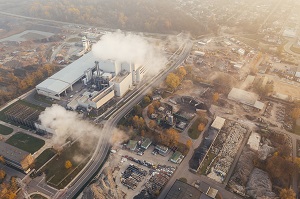
 Over-Extraction of Water Supplies topic monitored and covered by: Prepper Watch – Water
Introduction
Water is one of the most essential resources for human survival. Without access to clean water, it is impossible to maintain life. Unfortunately, the global demand for water continues to increase due to population growth, urbanization, and industrial activities.
As a result, water resources are being overused, leading to the depletion of aquifers, rivers, and other freshwater sources. This phenomenon, known as over extraction of water supplies, poses a significant threat to our ability to access clean water in the future.
For preppers, preparing for water threats like the overextraction of supplies is critical. In this blog, we will explore the risks associated with overextraction, how it affects water availability, and, most importantly, what preppers can do to prepare for this growing crisis.
Understanding Overextraction of Water Supplies
Overextraction of water occurs when water is withdrawn from natural sources, such as aquifers, rivers, and lakes, faster than it can be replenished through natural processes like precipitation or groundwater recharge. This imbalance can lead to the depletion of these water sources, causing long-term environmental and societal consequences.
Key causes of overextraction include:
- Agricultural Water Usage: Agriculture is the largest consumer of water globally. Over-irrigation and unsustainable farming practices lead to significant water depletion in many regions.
- Industrial Water Demand: Industries like mining, manufacturing, and energy production require vast amounts of water, which often exceeds the rate of replenishment.
- Population Growth and Urbanization: As cities grow, the demand for water increases, placing additional strain on local water supplies.
- Climate Change: Changing weather patterns, including longer droughts and erratic rainfall, affect the ability of water sources to recharge, exacerbating overextraction.
The effects of overextraction are widespread and can lead to:
- Decreased water quality: As aquifers and rivers dry up, the concentration of pollutants increases, leading to water contamination.
- Increased competition: Communities, farmers, and industries may compete for diminishing water resources, leading to social and political unrest.
- Environmental damage: The drying up of rivers and lakes, and the depletion of groundwater, can destroy ecosystems and lead to biodiversity loss.
The Role of Preppers in Water Threats
Preppers understand that in a world of increasing uncertainty, having a reliable water source is crucial for survival. When faced with overextraction of water supplies, preppers must adopt strategies that reduce dependence on traditional water systems and ensure they can access clean, safe water even when resources are scarce.
- Water Storage and Conservation
One of the first steps a prepper should take in preparation for water scarcity is to implement effective water storage systems. By storing water in large quantities, preppers can ensure they have access to water during times of shortage. This is particularly important if local water sources become contaminated or inaccessible.
How to Store Water:
- Water Containers: Invest in high-quality, food-grade water containers. These can range from smaller personal containers (e.g., 5-gallon jugs) to large rainwater storage tanks that can hold hundreds of gallons.
- Water Filtration Systems: Preppers should also store water purification devices. These include portable water filters, ultraviolet (UV) sterilizers, and water treatment tablets. In the event that stored water becomes contaminated, these tools can make it safe for drinking and cooking.
- Water Preservation: To maximize the lifespan of stored water, it should be kept in a cool, dark place. It is also essential to rotate water supplies periodically and ensure that containers are cleaned and properly sealed.
Water Conservation Tips:
- Fix Leaks: Water wastage due to leaks can be a significant issue, especially in areas that rely on municipal water systems. Repairing leaks promptly can reduce water consumption and extend the life of stored water.
- Low-Flow Fixtures: Install low-flow faucets, showerheads, and toilets to reduce water usage in the home. These devices can significantly reduce water waste and save valuable resources.
- Rainwater Harvesting: One of the most sustainable methods of water collection is rainwater harvesting. Preppers can set up systems to capture rainwater from their roof, storing it in barrels or larger tanks. Rainwater can be used for irrigation, non-potable household needs, or even treated for drinking purposes.
- Developing Alternative Water Sources
While storing water is essential, relying solely on stored supplies may not be enough during prolonged water shortages. Preppers must look into alternative sources of water that can be accessed and utilized for survival.
Wells and Groundwater
If you live on rural or suburban land, drilling a well is one of the most reliable ways to access water. Wells tap into underground aquifers, which can provide a sustainable water source even in times of surface water depletion.
- Well Drilling: Ensure that you hire professional services to drill a well that meets local regulations and water table conditions.
- Well Maintenance: Regularly inspect your well for issues such as pump malfunctions, contamination, and low water levels. Preppers should also stock up on spare parts and tools needed to maintain or repair the well.
Surface Water
In some areas, surface water from lakes, rivers, and streams may be accessible. However, surface water is often contaminated with bacteria, viruses, and chemicals, which makes it unsafe to drink directly.
- Water Collection: If you have access to nearby rivers or streams, consider setting up collection systems. A good water filtration system is crucial for ensuring the safety of this water.
- Purification: Use filtration systems, boiling, or chemical treatments to purify surface water before consumption. Having portable water filters, solar stills, or other purification tools can be essential for turning dirty water into drinkable water.
- Water-Saving Techniques for Agriculture
For preppers who are also homesteaders or farmers, water management is essential. The overuse of water in agriculture is a primary factor in the depletion of water supplies. Implementing efficient irrigation systems and sustainable farming practices can reduce the strain on local water resources.
Efficient Irrigation Methods
- Drip Irrigation: This is a highly efficient method of watering crops where water is delivered directly to the plant roots. Unlike traditional sprinklers, drip irrigation minimizes water wastage and ensures plants receive adequate moisture.
- Rainwater Irrigation: Utilize rainwater harvested from your roof to irrigate your garden or crops. This reduces reliance on other water sources and helps conserve potable water for drinking and cooking.
- Water-Efficient Crops: Choose drought-resistant and low-water-consuming crops. These crops require less water to grow, reducing the demand on your water supply and increasing your ability to grow food during water shortages.
Water-Efficient Landscaping
- Xeriscaping: This landscaping technique involves using drought-tolerant plants that require minimal water to thrive. By incorporating native plants that are adapted to local climates, you can reduce the need for irrigation and save water.
- Mulching: Apply a thick layer of mulch around plants to retain soil moisture, reduce evaporation, and prevent weeds from competing for water.
- Community Water Solutions
In addition to preparing individually, preppers can work with others to create community-based solutions to water scarcity. By sharing resources, knowledge, and infrastructure, communities can become more resilient to overextraction and other water-related threats.
Community Water Management Systems
- Shared Water Wells: Communities in rural areas can collaborate to drill and maintain shared wells that serve multiple households. This reduces the strain on individual water supplies and ensures that all members of the community have access to water.
- Water Conservation Programs: Communities can implement water-saving programs, such as encouraging the use of water-efficient appliances, reducing waste, and educating residents on water conservation practices.
- Water Recycling: Consider establishing a graywater recycling system within your community. Graywater is wastewater from baths, sinks, and washing machines that can be repurposed for irrigation or non-potable uses.
- Preparing for Water Conflict
As water becomes scarcer due to overextraction, there is a growing risk of conflict between regions, communities, and even nations over access to water. Preppers should anticipate the possibility of water conflicts and prepare for scenarios where water rights are contested or restricted.
Security and Water Rights
- Know Local Water Laws: Understand the water rights and laws in your region. If you live in a drought-prone area, being familiar with how water is allocated and regulated can help you avoid legal conflicts.
- Private Water Sources: If possible, invest in private water sources such as wells or rainwater collection systems that are not subject to municipal restrictions or shortages.
- Self-Sufficiency: Ultimately, the more self-sufficient you are in your water supply, the less vulnerable you will be to external threats and conflicts over water access.
Conclusion
The overextraction of water supplies is a growing threat that preppers cannot afford to ignore. As aquifers deplete and surface water sources dry up, having a sustainable, independent water supply will be critical for survival. By implementing strategies like water storage, alternative water sources, efficient irrigation, and community water management, preppers can ensure they are prepared for future water shortages and crises. By taking these proactive measures, preppers not only safeguard their own survival but also contribute to the long-term sustainability of water resources for future generations.