
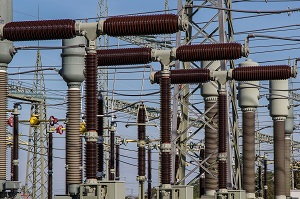
 Utilities Failure topic monitored and covered by: Prepper Watch – Infrastructure
Introduction
As a prepper, it’s crucial to anticipate and prepare for a variety of infrastructure threats that could disrupt daily life and survival. Among these threats, a loss of essential utilities such as water, gas, or electricity is one of the most critical to consider. These utilities form the backbone of modern society and ensure that we have access to clean water, the ability to cook food, stay warm, and carry out many other essential activities. A failure in these services can quickly reduce the quality of life and lead to severe challenges. In this blog, we’ll explore how a prepper would prepare for utilities failure, considering both short-term disruptions and long-term outages.
Introduction
When we think of societal infrastructure, we often take for granted the utilities that provide us with the resources necessary for survival: water, gas, and electricity. These utilities, while often reliable, are vulnerable to a variety of threats ranging from natural disasters to cyberattacks and aging infrastructure. A prepper’s job is to foresee potential disruptions and take proactive measures to ensure their survival in the event of such failures.
In this blog, we will focus on the specific threat of utilities failure. This includes a loss of water, gas, or electricity—three critical systems that are integral to basic living standards. Without these utilities, life as we know it would quickly become unsustainable. Preparing for these failures involves a combination of proactive planning, resource management, and developing self-sufficiency in the event of long-term disruptions.
Understanding Utilities and Their Importance
Utilities form the foundation of modern living, affecting everything from hygiene and cooking to heating and communication. Their failure, especially in densely populated areas, can create widespread chaos and quickly degrade quality of life.
- Water: Clean water is essential for drinking, cooking, cleaning, and sanitation. A loss of water access means that survival strategies must include methods for sourcing, filtering, and storing water.
- Electricity: Electricity powers virtually everything in modern homes: lights, heating/cooling systems, cooking appliances, refrigerators, communication devices, and more. Its absence impacts comfort and food preservation, as well as the ability to maintain security and perform daily tasks.
- Gas: Natural gas is commonly used for heating and cooking. A failure of gas lines or a disruption in gas supply can affect the ability to heat a home and prepare meals.
While these utilities are interconnected, each presents unique challenges and requires tailored strategies for preparation.
Preparing for Water Shortages
Water is one of the most critical resources for survival, and in the event of a utilities failure, it’s often the first to become scarce.
Water Storage
A well-prepared prepper will have a sufficient water supply stored for both drinking and other essential needs. Storage should ideally consist of a variety of containers to avoid contamination or spoilage. Water barrels, large tanks, and smaller portable containers are all part of a comprehensive water storage plan.
- Short-term storage: For a short-term water failure (1–3 days), you can store bottled water or smaller containers.
- Long-term storage: For extended outages (weeks or longer), invest in larger water storage systems such as 55-gallon drums. Ensure that your water storage is placed in a cool, dark area to prevent bacterial growth.
Water Filtration and Purification
While water storage is essential, it’s equally important to have filtration and purification systems in place. If water becomes unavailable or unsafe to drink, you’ll need the means to purify it.
- Filters: Use high-quality water filters like those from Berkey, Sawyer, or LifeStraw to remove impurities from local water sources (rivers, lakes, etc.).
- Purification methods: Boiling water, chemical purification tablets, and UV light purifiers are all viable options.
Water Delivery Systems
A water delivery system is useful in the event that your water supply is disrupted but you still have access to an external source (like a well, stream, or lake). Consider installing a hand pump or a rainwater harvesting system for emergency water collection.
Preparing for Electricity Outages
Electricity is indispensable in the modern world, but when the grid fails, the impact can be immediate and severe.
Backup Power Sources
Having a reliable backup power source is critical. Generators, while often noisy, can provide short-term electricity to keep essential appliances running during a blackout.
- Portable generators: Smaller, gas-powered generators can be used for emergency power needs like refrigeration, heating, and light.
- Solar power: Investing in solar panels and storage batteries can provide a clean and renewable energy source in the long term. Solar power systems allow you to run lights, small appliances, and even power some essential tools.
Alternative Cooking Methods
In the absence of electric stoves and ovens, preppers should have alternative cooking methods available:
- Propane stoves: These are easy to use and efficient for cooking during an outage.
- Wood stoves: If you have a wood-burning stove, it can be used to cook and heat your home simultaneously.
- Campfires and portable grills: Essential for outdoor cooking when there’s no power.
Maintaining Essential Electronics
During a power outage, some electronic devices like medical equipment, phones, and radios are critical. Preppers should invest in rechargeable power banks, solar chargers, and car battery jump starters to keep vital electronics operational.
Preparing for Gas Failures
Gas is used for heating and cooking in many homes, and its loss can significantly affect day-to-day life.
Alternative Heating Solutions
In cold climates, the failure of a gas heating system can lead to dangerous conditions. Preppers should have backup heat sources, such as:
- Wood stoves and fireplaces: If your home is equipped with a fireplace or wood stove, stock up on firewood to ensure heat during an outage.
- Kerosene heaters: These portable heaters are another option for emergency heating, but they must be used with caution due to potential fumes.
Cooking Without Gas
When gas is unavailable, preppers should consider alternative cooking methods such as:
- Propane or butane stoves: These small stoves are portable and suitable for cooking meals during an emergency.
- Solar ovens: For longer-term outages, solar cookers can help harness energy from the sun to prepare food.
Survival Strategies for Utilities Failure
While individual preparation is important, community-based solutions can significantly improve resilience to infrastructure failure.
Community Building and Resource Sharing
The success of your preparedness plan can depend on your community. Preppers should establish strong ties with neighbors and local networks to share resources and provide mutual aid during outages. Building a communal water system, sharing backup power, and pooling resources for heating or cooking can help everyone survive a long-term utilities failure.
Emergency Plans and Contingency Strategies
It’s essential to have a well-rehearsed emergency plan that includes:
- Evacuation routes: Know how to get to alternative shelters if needed.
- Communication methods: Consider low-tech ways to communicate with others, like ham radios or simple signals.
- Supply rotation: Regularly check and rotate your stockpiles to ensure you have fresh, usable supplies.
Dealing with Long-Term Infrastructure Failures
If utilities fail for an extended period, preppers need to focus on long-term self-sufficiency.
Self-Sufficiency and Off-Grid Living
Long-term utilities failure may require a shift toward full self-sufficiency. Preppers should aim to live off the grid by:
- Solar power systems: Large, off-grid solar arrays paired with batteries can ensure you have access to electricity.
- Rainwater harvesting: Set up systems to collect and filter rainwater for drinking and other uses.
- Gardening and food production: Growing your own food is crucial when supply chains are disrupted.
Developing Sustainable Energy Solutions
To stay independent of external energy sources, prepper systems should focus on renewable energy:
- Wind turbines: Wind energy can supplement solar power in certain regions.
- Hydropower: If you live near a river or stream, a small hydropower setup can provide consistent energy.
Mental and Psychological Preparedness
Preparing for utilities failure also involves psychological preparedness. The stress and uncertainty caused by a loss of water, electricity, or gas can take a toll on mental health.
- Resilience: Practicing stress management techniques such as meditation or mindfulness can help you stay calm during a crisis.
- Training: Learning practical survival skills and preparing mentally for emergencies increases your confidence and ability to handle difficult situations.
Conclusion
In conclusion, preparing for utilities failure is an essential aspect of prepping. The loss of water, gas, or electricity can disrupt life, causing widespread chaos and hardship. By developing a comprehensive preparedness plan, which includes water storage, backup power systems, alternative cooking methods, and sustainable living strategies, preppers can increase their chances of survival during infrastructure failures. Moreover, community-based planning and psychological preparedness are key to ensuring not only physical survival but also the mental and emotional resilience needed during long-term disruptions.