
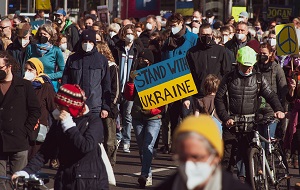
 Global Conflicts or War is a news and information topic monitored and covered by: Prepper Watch – Geopolitical
Introduction
Global conflicts or large-scale military wars have historically been among the most significant disruptors of societies, economies, and personal lives. From the world wars of the 20th century to the growing tensions of the 21st century, conflicts between nations can lead to widespread instability, food and resource shortages, economic collapse, and mass migration. For preppers, anticipating the potential effects of global conflicts is a critical part of comprehensive survival planning.
A prepper’s approach to preparing for global conflict revolves around the concept of self-sufficiency, long-term planning, and strategic risk management. As the world becomes more interconnected and geopolitical tensions rise, the reality of global conflicts affecting everyday life becomes more pressing. The economic impacts, supply chain disruptions, and changes in security dynamics can dramatically alter the way people live and work.
In this blog, we will outline how preppers can prepare for the multifaceted challenges posed by global conflicts and war, from securing food and water supplies to ensuring communication and energy independence. Whether you’re preparing for a regional conflict that could escalate into a broader war or a full-scale international crisis, the following strategies can help mitigate risks and enhance personal survival during turbulent times.
Understanding the Impact of Global Conflicts
Before delving into the strategies for preparation, it’s essential to understand the potential impacts of global conflicts on daily life:
- Economic Collapse: Global wars often result in economic instability. Trade routes can be disrupted, currencies may devalue, and inflation may surge. Central banks might print money, leading to hyperinflation. Unemployment could rise, and essential goods might become scarce.
- Supply Chain Disruptions: Wars disrupt the movement of goods and services, leading to shortages of essential items such as food, fuel, medicine, and building materials. This makes self-sufficiency a key element in prepping.
- Energy Instability: Conflicts, particularly those involving major oil-producing countries, can lead to spikes in fuel prices or even shortages. Energy resources like electricity and gas may become unreliable, forcing individuals to rely on alternative sources of energy.
- Communication Breakdown: In times of war, communication networks can be sabotaged or compromised. Telecommunication infrastructure might be damaged, and information could become scarce or unreliable, leading to a breakdown in trust.
- Mass Migration and Refugees: Conflicts often lead to mass displacement of people fleeing war zones. Refugees may overwhelm neighboring countries, straining local resources and infrastructure.
- Security Threats: The global security landscape changes drastically during a war. Armed conflicts could lead to martial law, curfews, and increased surveillance. Civil liberties may be suspended in the name of national security.
Securing Food and Water
In a global conflict, one of the most pressing concerns for preppers is food and water security. When supply chains are disrupted, access to food and clean water becomes unpredictable. Below are strategies to ensure a steady supply of both:
Food Storage and Preservation
- Stockpiling Non-Perishable Foods: Focus on foods that have a long shelf life, such as freeze-dried meals, canned goods, rice, pasta, beans, and dehydrated fruits and vegetables. These can be stored for extended periods, reducing your dependency on external supply chains.
- Consider Nutritional Balance: Ensure that your stockpile contains a variety of food to provide balanced nutrition, including protein, carbohydrates, fats, and essential vitamins and minerals. This will reduce the risk of malnutrition.
- Growing Your Own Food: Even if you don’t have a large garden, small-scale food production can be immensely helpful. Container gardening, hydroponics, and aquaponics are excellent options for growing food in confined spaces.
- Preservation Techniques: Learn preservation methods like canning, pickling, smoking, and dehydrating. These techniques will allow you to extend the shelf life of perishable food.
Water Security
- Water Storage: Store a sufficient amount of water for drinking, cooking, and sanitation. At least one gallon per person per day is recommended, but more is better, particularly if you live in an area with unreliable water sources.
- Water Filtration: Invest in high-quality water filtration systems to purify water from natural sources. Portable water filters, like those from brands like LifeStraw or Sawyer, can ensure you have access to clean drinking water even in the absence of a functioning municipal system.
- Rainwater Harvesting: Set up a rainwater harvesting system to collect and filter water for non-potable use, such as irrigation or cleaning. This can provide a backup source if traditional water systems are compromised.
Energy Independence
Energy resources like electricity, gas, and heating oil may become scarce or unreliable in times of global conflict. Securing alternative energy sources is critical for survival. Here are key strategies for prepping for energy instability:
Solar Power
- Solar Panels: Install solar panels on your home or property to provide a renewable energy source. Solar systems can power lights, small appliances, and charge devices, significantly reducing your reliance on the grid.
- Solar Batteries: Invest in high-quality solar batteries to store energy for use at night or during periods of cloudy weather. These batteries ensure that you have a steady energy supply even when solar generation is low.
Backup Generators
- Fuel-Powered Generators: For longer-term power outages, a fuel-powered generator can provide the electricity needed for larger appliances, like refrigerators, medical equipment, and tools. Be sure to have extra fuel stored and understand how to operate the generator safely.
- Battery-Powered Generators: Alternatively, consider a battery-powered generator as a quieter, more sustainable option. These units are ideal for charging small devices or powering lights during blackouts.
Off-Grid Systems
- Wind and Water Power: In areas with sufficient wind or water sources, wind turbines or small hydroelectric generators can provide continuous power. These off-grid systems are a great complement to solar energy and can ensure long-term sustainability.
- Manual Power Tools: In the absence of electricity, manual tools such as hand-powered drills, saws, and grinders become invaluable. Keep a well-maintained collection of these tools for building, gardening, and emergency repairs.
Security and Self-Defense
During global conflicts, personal and community security can become a significant concern. Ensuring your home and family are safe requires a comprehensive approach to security.
Fortifying Your Home
- Bunker or Safe Room: Consider building a secure area within your home, such as a bunker or safe room, equipped with supplies for extended periods of isolation. Ensure that it’s stocked with food, water, medical supplies, and self-defense tools.
- Home Defense Systems: Install high-quality locks, security cameras, motion sensors, and alarms. Reinforce doors and windows to make your home more resistant to forced entry.
Weapons and Training
- Self-Defense Training: Learn basic self-defense techniques, including how to use firearms, knives, and hand-to-hand combat skills. Regular training with these tools will improve your effectiveness in defending yourself and your loved ones.
- Weapons Storage: Store weapons securely, ensuring you have a safe and accessible way to retrieve them when needed. Understand the legalities of weapon ownership in your jurisdiction, and follow all relevant laws.
- Community Defense: Build relationships with trusted neighbors or fellow preppers. Forming a network of like-minded individuals can create a more robust defense against external threats.
Communication and Information Gathering
During conflicts, reliable information and communication can become scarce. Establishing alternative communication methods is key to staying informed and coordinating with other preppers.
Backup Communication Tools
- Two-Way Radios: Invest in high-quality two-way radios (walkie-talkies) for short-range communication. These are particularly useful when the internet or cell networks are unavailable.
- HAM Radios: HAM (amateur) radios are long-range communication tools that allow you to transmit and receive messages even when other communication systems are down. They require training but are invaluable for staying in touch during widespread disruption.
- Satellite Phones: While expensive, satellite phones provide an alternative to traditional cellular networks, which can fail during large-scale conflicts.
Information Sources
- Preppers Networks: Join online prepping forums, message boards, and social media groups. Platforms like Prepper Watch, for example, can provide real-time information on geopolitical risks and supply chain disruptions.
- Emergency News Services: Stay informed through alternative news services and shortwave radio broadcasts. Independent news sources are often the first to report on issues that may be censored in mainstream media.
Medical Preparedness
A large-scale global conflict can cause significant strain on healthcare systems. Preparing for medical emergencies and having the means to provide basic healthcare at home is critical.
Stockpile Medical Supplies
- First-Aid Kits: Stock comprehensive first-aid kits that include bandages, antiseptics, splints, burn treatments, and over-the-counter medications. Also, ensure you have necessary prescription medications for your family members.
- Medical Equipment: If you have specific medical needs, such as diabetes or asthma, ensure you have enough supplies for several months. This may include insulin, inhalers, or other devices that require long-term use.
- Surgical Supplies: In the event that medical care is unavailable, having sterile surgical supplies, sutures, and bandages will help you manage injuries or infections at home.
Training
- Basic First Aid and CPR: Learn first aid and CPR to handle emergencies. Many prepper communities offer courses in wilderness medicine and emergency healthcare skills.
- Advanced Medical Skills: For serious medical preppers, gaining advanced training in topics like trauma care, suturing, and wilderness medicine is beneficial for more severe emergencies.
Community Building
During a global conflict, the strength of your community can make all the difference. Prepping in isolation may be possible, but working together with others amplifies the collective strength of your resources and skills.
- Build Mutual Aid Networks: Establishing relationships with others who share your prepping goals can help create a support system for times of crisis. This includes bartering for goods and services, sharing knowledge, and coordinating defense efforts.
- Share Skills and Resources: Your survival is directly tied to the skills you and your community can provide. Whether it’s farming, building, or medical expertise, work with your community to ensure everyone has a role to play.
Conclusion: Ready for the Unpredictable
Global conflicts and war present profound challenges, but the right preparation can mitigate the risks and increase your chances of survival. A prepper’s mindset is one of adaptability and foresight, prepared for the uncertainties of a world in flux. By securing your food and water supply, ensuring energy independence, reinforcing home security, and staying connected, you position yourself and your family to navigate even the most extreme scenarios with confidence and resilience. Remember, the time to prepare is now, before disaster strikes.