
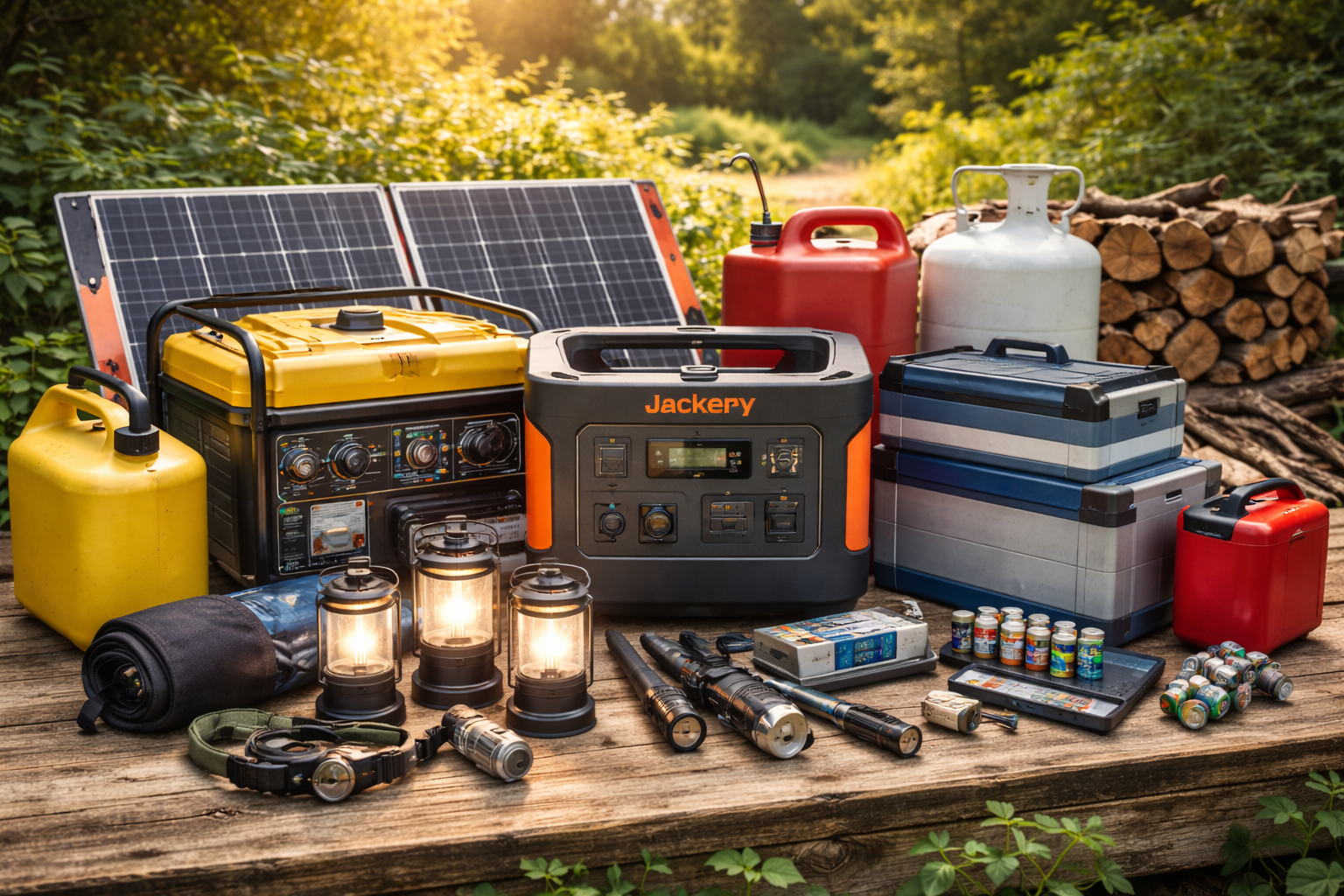
Electricity is one of the most important systems in modern life. Nearly every part of daily living depends on it—from refrigeration and lighting to communication and heating. When the power goes out, even for a short time, the impact can be immediate. Food begins to spoil, homes grow cold or overheated, and communication becomes difficult.
Power outages can happen for many reasons. Severe weather, natural disasters, equipment failure, cyberattacks, or infrastructure problems can all disrupt the electrical grid. Sometimes outages last only a few hours, but in more serious situations they can last for days or even weeks.
Preparing for power loss means building a reliable backup system that allows your household to maintain basic comfort, safety, and functionality until electricity is restored.
Backup Generators
Generators are one of the most common solutions for emergency power. They allow households to run essential appliances when the electrical grid fails.
Portable generators can power items like refrigerators, freezers, lights, and small appliances. Larger standby generators can power entire homes, automatically turning on when an outage occurs.
When using a generator, safety is extremely important. Generators must always be operated outdoors to prevent dangerous carbon monoxide buildup. Proper extension cords, grounding, and fuel storage are also essential considerations.
A generator provides immediate power during outages and can prevent food spoilage, maintain heating systems, and support basic household needs.
Solar Panels and Solar Generators
Solar energy offers another reliable backup power option. Solar panels capture energy from the sun and convert it into electricity that can be stored or used immediately.
Solar generators combine solar panels with battery storage, creating a self-contained power system that can be used during outages. Unlike fuel-powered generators, solar systems operate quietly and do not require gasoline or propane.
Solar energy is especially useful for powering small electronics, lights, communication devices, and other low-power equipment during extended outages.
Many households use solar systems as part of a layered approach to energy preparedness.
Battery Banks and Energy Storage
Battery banks store electricity that can be used when the power grid is unavailable. These systems can be charged by solar panels, generators, or normal grid electricity before an outage occurs.
Battery storage systems can power devices such as:
Phones and communication equipment
Medical devices
Lighting systems
Small appliances
Laptops and radios
Modern battery systems have become increasingly reliable and portable, making them useful tools for emergency preparedness.
Having stored power ensures that important devices remain operational even when the grid is offline.
Flashlights and Headlamps
Lighting is one of the first things people notice when electricity goes out. Flashlights and headlamps provide safe, reliable illumination during dark conditions.
Headlamps are particularly useful because they allow hands-free operation. This makes it easier to cook, repair equipment, or move around safely during nighttime outages.
LED flashlights are energy efficient and long-lasting, making them ideal for emergency use.
Keeping several flashlights in different areas of the home ensures that lighting is always available when needed.
Extra Batteries
Batteries are essential for powering many emergency devices. Flashlights, radios, lanterns, and other tools often depend on battery power.
A preparedness plan should include a supply of commonly used battery types such as AA, AAA, and rechargeable batteries.
Storing batteries in a cool, dry place helps extend their lifespan. Periodically checking stored batteries ensures they remain functional when needed.
Rechargeable battery systems paired with solar chargers can provide a renewable energy solution during longer emergencies.
Rechargeable Lanterns
Lanterns provide broad, steady lighting that can illuminate entire rooms. Rechargeable lanterns are especially useful during extended power outages because they can be reused many times.
These lanterns often include USB charging options or solar charging capabilities, allowing them to be powered from portable battery banks or solar panels.
Lanterns are particularly useful for:
Lighting kitchens during meal preparation
Providing ambient lighting in living areas
Illuminating workspaces or emergency repairs
Having multiple lanterns helps ensure adequate lighting throughout the home.
Fuel Storage
Backup power systems often require fuel to operate. Storing appropriate fuel ensures that generators and heating systems can continue operating during emergencies.
Common emergency fuel sources include:
Propane
Gasoline
Firewood
Kerosene
Fuel should always be stored safely in approved containers and kept away from living spaces. Proper storage practices reduce fire risks and help maintain fuel quality over time.
For households that rely on wood-burning stoves or fireplaces, maintaining a supply of dry firewood can provide both heat and cooking capability during outages.
Building a Reliable Energy Preparedness Plan
A strong power preparedness strategy typically combines several solutions rather than relying on a single backup system.
A practical plan may include:
A generator for short-term power needs
Solar panels or solar generators for renewable energy
Battery storage systems for electronics and communication devices
Flashlights and lanterns for reliable lighting
Backup batteries for essential equipment
Stored fuel to support generators and heating systems
When these systems work together, households can maintain basic lighting, refrigeration, communication, and heating during power disruptions.
Preparing for power outages is not about expecting disaster. It is about creating stability when infrastructure temporarily fails. With a thoughtful energy preparedness plan in place, families can remain safe, comfortable, and connected even when the lights go out.