
During emergencies, access to medical care can change very quickly. Hospitals can become overwhelmed, pharmacies may close, and emergency responders may be delayed. Even short disruptions can make it difficult to obtain medications, basic medical supplies, or professional care.
Medical preparedness helps reduce these risks by ensuring households have the knowledge and supplies needed to handle common injuries, illnesses, and medical needs until professional help becomes available. A well-prepared household is not trying to replace doctors or hospitals. Instead, it focuses on handling minor injuries, stabilizing emergencies, and maintaining health during disruptions.
Building a strong medical preparedness plan starts with the right supplies, basic medical knowledge, and the ability to manage ongoing health conditions.
Build a Comprehensive First Aid Kit
Every household should have a well-stocked first aid kit. While small kits are useful for travel or vehicles, a home medical kit should be more complete and capable of handling a wider range of situations.
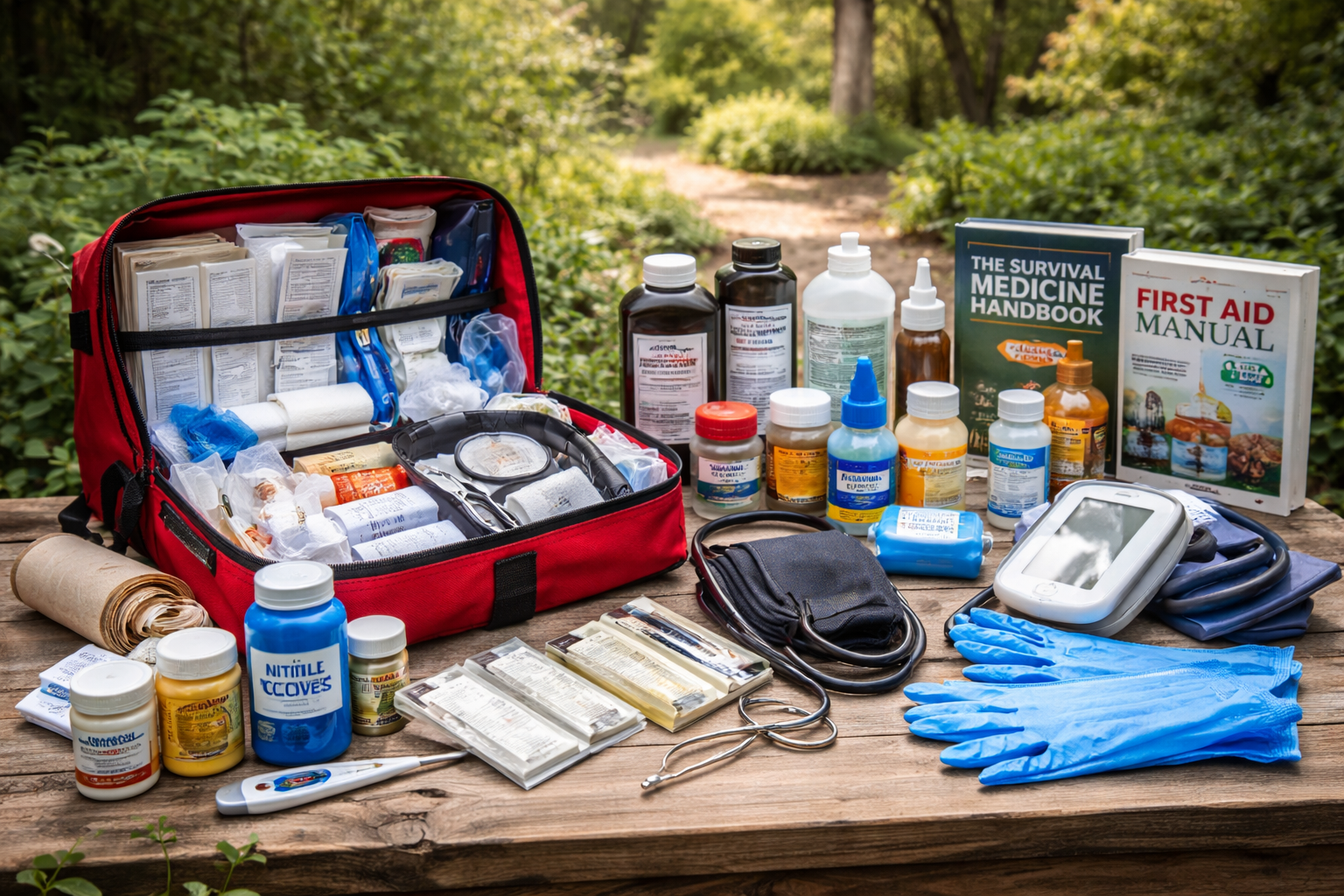
A strong first aid kit typically includes supplies for treating cuts, burns, sprains, and minor injuries. Common items include adhesive bandages, sterile gauze pads, medical tape, antiseptic wipes, gloves, tweezers, and scissors.
Additional items that are often helpful include burn creams, wound closure strips, cold packs, and emergency blankets. The goal is to have the supplies necessary to stabilize injuries until proper medical care is available.
Kits should be stored in an easy-to-access location and checked periodically to replace expired or used supplies.
Maintain a Backup Supply of Prescription Medications
For individuals who rely on prescription medications, preparedness includes ensuring that supplies do not run out during emergencies. Natural disasters, supply disruptions, or pharmacy closures can interrupt medication access.
Whenever possible, households should maintain a small backup supply of essential medications. Some doctors may allow prescriptions to be filled in larger quantities for chronic conditions, which can help create a buffer.
Medications should always be stored according to recommended temperature and storage guidelines. Keeping medications in their original containers with clear labels helps prevent confusion during stressful situations.
Understand the Role of Antibiotics
Antibiotics are used to treat bacterial infections and are an important tool in medical care. In some situations and jurisdictions, certain antibiotics may be legally obtained for preparedness purposes, but regulations vary depending on location.
Regardless of availability, understanding when antibiotics are appropriate is important. Misuse can lead to resistance or complications. Medical guidance and professional advice should always be followed whenever possible.
Education about infection prevention, wound cleaning, and proper hygiene often plays an equally important role in reducing infection risks.
Stock Pain Relievers and Fever Reducers
Pain relievers and fever reducers are some of the most commonly used medications in everyday life and can be very helpful during emergencies.
These medications can help manage headaches, muscle pain, injuries, and fevers that occur during illness. Common options include medications designed to reduce inflammation, manage mild to moderate pain, and lower body temperature.
Having a supply available allows households to manage minor illnesses and injuries without immediately needing medical care.
Wound Care Supplies
Cuts, scrapes, and other injuries are among the most common medical issues that occur during emergencies. Proper wound care supplies help reduce infection risk and promote healing.
Basic wound care items include sterile gauze, medical tape, adhesive bandages, antiseptic solutions, and wound cleaning supplies.
More advanced kits may include compression bandages, trauma dressings, and wound closure strips. Knowing how to properly clean and dress wounds is just as important as having the supplies themselves.
Health Monitoring Tools
Simple diagnostic tools can help households monitor health conditions and recognize potential problems early.
Two particularly useful tools include thermometers and blood pressure monitors.
Thermometers allow quick detection of fever, which can be an early indicator of infection or illness. Blood pressure monitors are helpful for individuals with cardiovascular conditions or for monitoring general health during stressful situations.
These devices are inexpensive, easy to use, and provide valuable information when medical help is not immediately available.
Medical Reference Materials
During emergencies, internet access or phone service may be limited. Having reliable medical reference materials available can provide valuable guidance when questions arise.
Medical books designed for home use often include instructions for treating common injuries, recognizing symptoms, and providing first aid.
Topics typically covered include wound care, burns, fractures, dehydration, allergic reactions, and illness management.
Printed reference materials ensure that helpful information remains accessible even when digital resources are unavailable.
First Aid and CPR Training
Supplies alone are not enough to provide effective medical care. Training is one of the most valuable parts of medical preparedness.
First aid training teaches people how to respond to injuries such as bleeding, burns, fractures, and shock. CPR training provides the skills needed to assist someone experiencing cardiac arrest until professional responders arrive.
Many organizations offer these courses through community programs, local health organizations, or emergency services.
Learning these skills improves confidence and ensures that household members can respond effectively in stressful situations.
Creating a Practical Medical Preparedness Plan
Medical preparedness is about building a system that supports household health during disruptions. A strong plan usually includes:
A well-stocked first aid kit
Backup supplies of essential medications
Basic medications for pain, fever, and illness
Proper wound care supplies
Simple health monitoring tools
Printed medical references
Training in first aid and CPR
Together, these elements create a foundation for managing medical needs when professional care is delayed or difficult to access.
Preparedness is not about expecting the worst. It is about being ready to care for yourself and your family when everyday systems become temporarily unavailable. A thoughtful medical preparedness plan provides confidence, stability, and peace of mind in uncertain situations.