

Hiding in Plain Sight: The Real Art of Protecting Your Preps
If you’ve ever had your home broken into, had your drawers pulled out, or watched strangers tear through your belongings, you learn fast why hiding your valuables matters. A safe sitting in the open or a “secret spot” everyone uses won’t cut it—especially when desperate people are involved. In a world on edge—economic instability, rising crime, food shortages—protecting what you’ve worked so hard to build becomes a survival skill all on its own.
Modern preppers face a double threat:
Nature can wipe out your home in minutes, and people can do the rest.
That’s why caching—hiding gear, food, and valuables in discreet, unexpected places—is becoming a core part of preparedness. The goal isn’t just to store what you need… it’s to store it in a way no one else can find.
Below are the key principles every prepper should know:
🔹 1. Caching Has Deep Guerrilla Roots
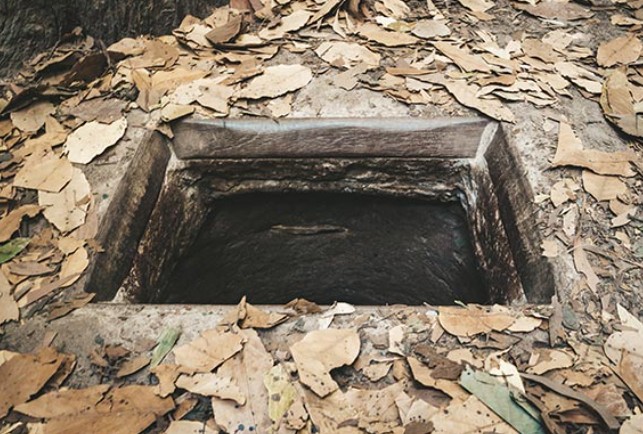
From the French Resistance to the Viet Cong, fighters have survived impossible odds using hidden supply caches. Weapons, food, intel—they buried it, disguised it, or blended it into everyday surroundings so enemies couldn’t find it.
The lesson for us?
What people can’t see, they can’t steal.
🔹 2. Secrecy Is Your First Line of Defense
The biggest leak in any prepping plan is your own mouth—or your kids’, friends’, or social media posts. A single casual comment can become public knowledge the moment a crisis hits.
Rule #1: Tell no one.
Rule #2: Tell no one.
🔹 3. Think Like a Looter
Where will a desperate person look first?
• Pantry
• Bedroom closets
• Garage shelves
• Nightstands
• Gun cabinets
• The obvious “safe” spot
That’s why gear should never be stored in the same predictable places burglars already know.
🔹 4. Use a “Sacrificial Stash”
This is a classic psychological tactic:
Leave a small, worthless collection of supplies in an obvious place.
A few cans, half-empty jugs, maybe some trash.
Looters think:
“Someone already hit this place. Nothing here.”
They grab the scraps and leave.
Meanwhile, your real supplies remain untouched in hidden caches.
🔹 5. Hide Supplies Where No One Looks
Creative concealment is your best friend. Examples:
Inside the Home
False floors in closets
Hollow furniture bases
Behind removable shelving
A false wall panel
Under stair risers
Inside clean, decommissioned appliances
Basement Ideas
A hidden “false cellar” section
Painted cinderblock wall partitions
Repurposed old oil tanks sealed and disguised
Outside Caches
Buried 5-gallon buckets
55-gallon drums sealed and camouflaged
Under raised garden beds
Inside fake or non-functional rain barrels
Hidden PVC tubes tucked along fence lines
Remember: searching a house is easy.
Searching an acre of land takes days, and most looters won’t even try.
Why This Matters
This isn’t paranoia—it’s strategy.
Your stash is your lifeline.
If your house burns, floods, or gets ransacked, having multiple small caches means you aren’t starting from zero. It’s the same principle used in war, now adapted for families who want to stay ready in a world getting more unstable by the day.
Prepping isn’t just storing stuff.
It’s storing it smart.
Quietly.
Safely.
Where only you can find it.