

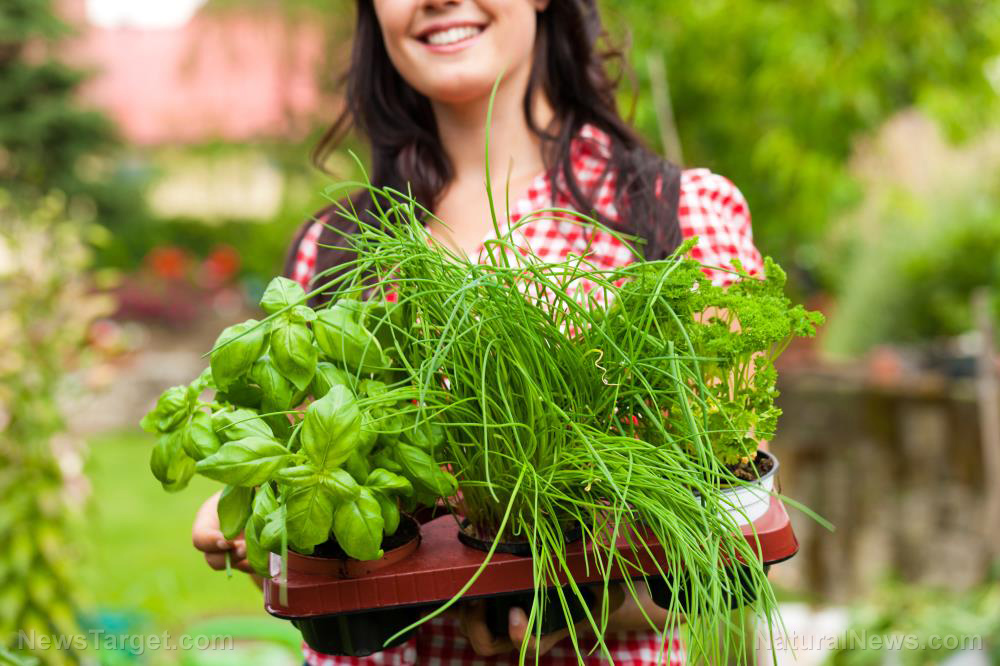
This article by Natural News explores the revival of herbal self-sufficiency as a response to rising healthcare costs, fragile supply chains, and dependence on pharmaceuticals. It promotes cultivating herbal gardens and creating a home apothecary as a return to true preventive care—one that empowers individuals to manage health naturally.
🌿 Core Message
Herbalism isn’t a rejection of modern medicine but a restoration of resilience. Growing, harvesting, and preserving medicinal herbs provides lasting, affordable remedies for everyday ailments, transforming gardens into personal pharmacies.
🧺 Key Principles
-
Build an herbal first-aid kit: Reduce dependency on fragile healthcare systems through self-sustaining medicine.
-
Grow common, powerful plants:
-
Yarrow: Stops bleeding and relieves pain.
-
Plantain: Draws out infection and soothes bites.
-
Calendula: Heals burns and wounds.
-
Echinacea: Boosts immunity.
-
Lemon Balm: Calms anxiety and digestion.
-
Thyme: Fights coughs and respiratory infections.
-
Holy Basil (Tulsi): Reduces stress and strengthens resilience.
-
⚗️ Preservation and Preparation
Harvest herbs at peak potency and dry them gently in shade. Store in airtight glass jars for long-term use. These dried botanicals can be transformed into:
-
Salves: Infuse herbs like calendula or yarrow into oils and combine with beeswax for burns or cuts.
-
Honey Syrups: Garlic in honey acts as a natural antibiotic.
-
Tinctures: For example, mullein tincture made with alcohol to ease respiratory issues.
🏡 Pharmacy in the Garden
A well-tended herbal plot becomes a “defensive line” for health, offering immediate, renewable access to natural medicine even during supply disruptions.
🌱 Final Reflection
Herbal medicine reconnects us with millennia of plant-based healing wisdom. Each leaf, root, and flower is part of a living continuum of self-reliance, offering both physical and emotional security in uncertain times.