
Introduction: The Skeptic’s Question
“Why spend money on prepping for disasters that may never happen? Isn’t it just fear-mongering?”
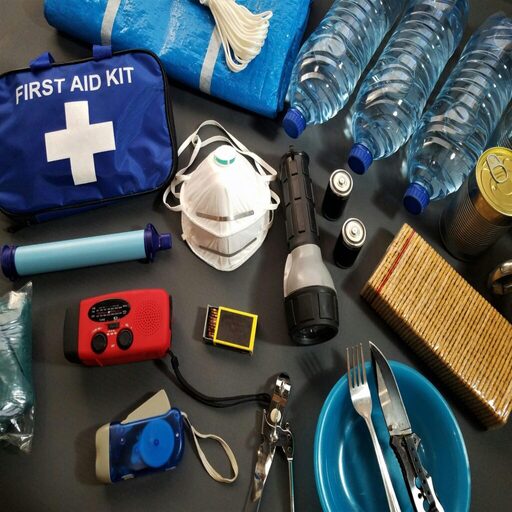
This is one of the most common objections to the prepping survival movement. Critics argue that stocking food, water, and gear for emergencies is unnecessary paranoia. But when we compare the cost of preparedness against the real risks of disasters, the evidence is clear: prepping is not about fear — it’s about responsibility, resilience, and peace of mind.
What the Data Says About Disaster Readiness
According to FEMA’s 2023 National Household Survey, 60% of Americans have no disaster plan, and nearly 80% lack enough emergency supplies to last 72 hours. The American Red Cross also stresses that every household should be prepared to survive at least three days without outside help after a major event.
Peer-reviewed studies reinforce this. The International Journal of Disaster Risk Reduction (2021) found that communities with strong preparedness plans had 30–50% lower mortality rates during natural disasters. Prepping, then, isn’t speculation — it’s a statistically proven way to reduce risk.
Prepping vs. Fear-Mongering: Key Differences
- Fear-Mongering: Spreads panic, exaggerates threats, profits from hype.
- Prepping (Emergency Preparedness): Relies on realistic scenarios (storms, blackouts, supply chain disruptions) and evidence-based safety measures.
In other words, prepping is not about expecting the worst every day — it’s about being ready if the worst comes.