
❄️ How To Tell If Ice Is Safe — And What To Do If You Fall In
Winter turns lakes and rivers into playgrounds, but ice can be dangerously deceptive. Whether you’re skating, ice fishing, or snowmobiling, knowing how to judge ice safety — and how to survive if it fails — can save your life.
🧊 1. Not All Ice Is Created Equal
Clear / black ice = strongest and safest
White / snow ice = weaker (about half as strong)
Watch for currents, inlets, bridges, snow cover, rain, and warm spells
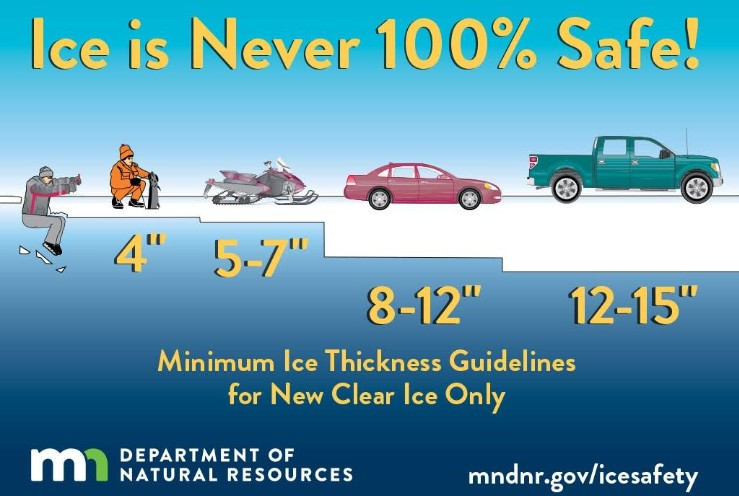
Minimum thickness (clear ice):
🚫 2″ or less: Stay off
👣 4″: Walking / skating
🛷 5″: Snowmobiles / ATVs
🚗 8–12″: Small vehicles
🚚 12–15″: Medium trucks
➡️ Double thickness for white ice
📏 2. How to Check Ice Thickness
🔨 Ice chisel (simple and reliable)
🌀 Hand, electric, or gas auger
🔩 Cordless drill + long wood auger bit
📐 Measure every hole — don’t guess
🔁 Test multiple spots from shore outward
🦺 3. Essential Safety Gear
🛟 Life vest or flotation suit
🪓 Ice picks (around your neck)
🪢 50+ ft throw rope
📢 Whistle
📱 Waterproof phone case
👥 Never go alone — tell someone your plan
🚨 4. If You Fall Through the Ice
😮💨 Control breathing — fight panic
🔄 Turn toward the direction you came from
🦭 Kick and slide onto the ice horizontally
🪓 Use ice picks to pull yourself out
🔄 Roll away, don’t stand
🔥 Get warm immediately (no alcohol)
🧍♂️ 5. If You Can’t Get Out
🧠 Stop struggling — conserve energy
🫱 Spread arms on the ice to slow sinking
🧊 Wet clothing may freeze to ice and hold you up
🗣️ Yell for help continuously
⏱️ Survival can be 15–45 minutes in freezing water
🏥 6. Always Seek Medical Care
❗ Hypothermia symptoms can be delayed
⚠️ Risk of heart issues during rewarming (“afterdrop”)
🩺 Get checked even if you feel okay
✅ Bottom Line
Ice safety is about knowledge, preparation, and respect for conditions. Test often, carry the right gear, and know how to respond under pressure. Winter adventures should be memorable — not tragic. Stay alert. Stay safe.