
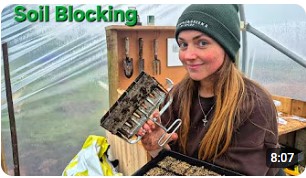

Starting seeds indoors is one of the best ways to get a strong garden going early in the season. One technique that many gardeners and homesteaders swear by is soil blocking. Instead of using plastic seed trays or small pots, soil blockers create small compressed cubes of soil that hold seeds and allow roots to grow naturally.
This method can improve germination rates, reduce transplant shock, and save a lot of space when starting large numbers of seedlings.
What Are Soil Blockers?
Soil blockers are handheld tools that compress moist soil into firm cubes. These cubes act as natural containers for seeds.
Different sizes of blockers are available:
• Micro blockers – create very small cubes used for tiny seeds
• Five-cell blockers – produce medium blocks for early seedlings
• Four-cell blockers – larger cubes used when seedlings need more space
Gardeners often start seeds in small cubes and later “bump them up” into larger soil blocks as the plants grow.
Choosing the Right Soil Mix
The most important part of soil blocking is the soil mixture. It needs to be able to hold together when compressed.
A good blocking mix usually contains:
• compost
• peat or coco coir
• fine soil
• sometimes sand or vermiculite
The mixture should feel similar to cake batter consistency when wet.
A good test is to squeeze a handful of soil. If a few drops of water come out and the soil holds its shape, the moisture level is about right.
Making the Soil Blocks
Once the soil mix is ready, the process is simple:
Fill the soil blocker with the moist soil mixture.
Press the blocker firmly into the mix to pack it tightly.
Scrape off excess soil from the bottom.
Press the blocker down onto a tray to release the cubes.
Each tray can hold dozens or even hundreds of soil blocks, allowing gardeners to grow many seedlings in a small space.
Planting Seeds in Soil Blocks
Seeds can be placed directly into the small indentation at the top of each block.
For very tiny seeds such as snapdragons or herbs, a helpful trick is to:
• wet the tip of a toothpick
• pick up one seed at a time
• place it gently into the soil block
Some seeds require light to germinate, while others benefit from a thin layer of soil or vermiculite placed over the top.
Watering Soil Blocks
Instead of watering directly on top of the seedlings, soil blocks are usually bottom watered.
To do this:
• Pour water into the tray around the blocks
• Allow the soil cubes to absorb moisture from below
• Drain excess water if needed
This helps prevent disturbing delicate seedlings and encourages strong root development.
Benefits of Soil Blocking
Many gardeners prefer soil blocking because it offers several advantages.
Better Germination
The compressed soil holds moisture well, which helps seeds germinate more reliably.
Reduced Transplant Shock
Seedlings are planted directly with the soil block intact, so roots are not disturbed.
Stronger Root Systems
Roots naturally stop growing when they reach the edge of the block, preventing them from becoming root-bound.
Saves Space
Hundreds of seedlings can fit in a small tray, making this method perfect for indoor seed starting.
Potential Drawbacks
While soil blocking is very effective, there are a couple of downsides.
• Soil blockers can have a higher upfront cost.
• Preparing the soil mix and forming the blocks requires a little more effort than filling plastic trays.
However, many gardeners feel the benefits far outweigh these small inconveniences.
Why Many Gardeners Love Soil Blocking
Once people try soil blocking, many never go back to plastic seed trays. The system creates healthier plants, reduces waste, and allows gardeners to grow large numbers of seedlings in limited space.
For homesteaders and preppers, soil blocking is also a great way to grow more food with fewer supplies and less plastic waste.