
How To Start Prepping (Beginner’s Roadmap)
Getting started with preparedness can feel overwhelming, but it doesn’t have to be. Prepping isn’t about fear — it’s about being more self-reliant, more aware, and more ready for everyday disruptions like storms, outages, or supply shortages. Small, steady steps make a big difference over time.
👀 Step 1: Become More Aware
Before buying anything, start by paying attention to how much you rely on daily systems.
Ask yourself:
What would happen if the power went out for a few days?
How long would the food in your home last?
Do you have backup lighting or water?
Prepping starts with awareness, not panic. It’s about noticing weak spots and gradually strengthening them.
🌍 Step 2: Know Your Local Risks
Preparedness looks different depending on where you live.
Think about:
🌨️ Severe weather
🔌 Power outages
🛒 Supply shortages
🚗 Transportation disruptions
Focus first on the things most likely to affect your area. A simple, practical plan beats a complicated one that doesn’t fit your reality.
⏱️ Step 3: Learn the Rule of 3s
This basic survival guideline helps you prioritize:
💨 3 minutes without air
🏠 3 hours without shelter in harsh conditions
💧 3 days without water
🍲 3 weeks without food
This shows why water, warmth, and shelter should come before anything else.
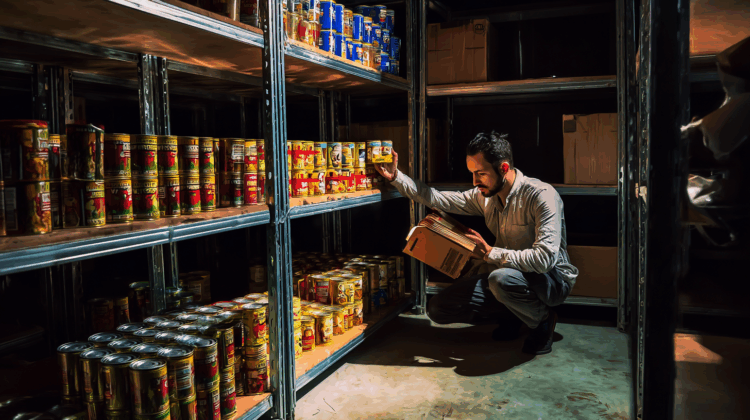
📦 Step 4: Build Core Supplies Slowly
You don’t need to do everything at once. Start with the basics and build over time:
💧 Extra water storage
🍚 Shelf-stable food
🔦 Flashlights and batteries
🔋 Backup power banks
🩹 Basic first aid supplies
Consistency matters more than speed. Even adding a few items each month creates real security.
🧠 Step 5: Focus on Skills, Not Just Stuff
Gear helps, but knowledge lasts forever.
Learn things like:
💧 Safe water purification methods
🌱 Basic gardening or food growing
🧭 Navigation without relying on a phone
🩹 First aid basics
Skills give you confidence and make you less dependent on outside help.
👨👩👧 Step 6: Build a Support Network
Preparedness is stronger when people help each other.
Talk with trusted friends or family
Share skills and ideas
Check in during emergencies
Community can make tough situations much more manageable.
🔌 Step 7: Practice Before You Need It
Test simple scenarios now so you’re not guessing later:
Spend a day without using electricity
Cook a meal without a stove
Find items in the dark with just a flashlight
These small “practice runs” help you see what works and what needs improving.
🧾 Final Thought
Starting to prep doesn’t mean expecting the worst. It means taking responsibility for your well-being and becoming more resilient one step at a time.
You don’t need a bunker or a massive stockpile to begin. Just start where you are, build steadily, and focus on practical readiness for real-world situations.