
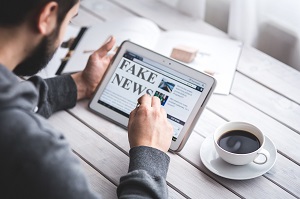
 Spread of Misinformation is a news and information topic monitored and covered by: Prepper Watch – Conspiracy Theories
Introduction
In an increasingly connected and fast-paced world, the spread of misinformation has become one of the most dangerous and insidious threats facing individuals, communities, and even nations. For preppers, whose goal is to maintain resilience and self-sufficiency in the face of uncertainty, understanding and preparing for misinformation is as crucial as stocking up on food and water.
Misinformation—defined as the rapid dissemination of false or misleading information—can undermine trust, distort reality, and impair decision-making during critical moments. Whether it’s false news about a natural disaster, incorrect medical advice, or fabricated political narratives, misinformation can create chaos and confusion, making it harder to distinguish fact from fiction.
This guide explores the nature of misinformation, the potential threats it poses to preppers, and the practical strategies for recognizing, resisting, and neutralizing its effects. The ability to discern truth from falsehood is not just a mental exercise—it’s a survival skill.
Understanding Misinformation
Misinformation can take many forms, ranging from accidental misreporting to deliberate disinformation campaigns designed to manipulate public opinion. While misinformation is often spread unintentionally, disinformation is intentionally created to deceive.
Types of Misinformation
- False News and Clickbait – Sensationalized headlines or outright fabrications intended to attract attention and generate ad revenue.
- Propaganda – Deliberate misinformation spread by governments or organizations to influence political or social outcomes.
- Social Media Manipulation – Fake accounts, bots, and trolls designed to amplify misinformation and sow discord.
- Deepfakes and Edited Media – Manipulated images, videos, and audio designed to mislead the viewer.
- Medical Misinformation – False claims about health and safety, including dangerous home remedies and conspiracy theories about diseases or vaccines.
- Economic and Financial Misinformation – False information about market trends, currency value, or financial stability designed to cause panic.
How Misinformation Spreads
Misinformation spreads rapidly due to several factors:
- The speed and reach of social media platforms.
- Cognitive biases, such as confirmation bias, that lead people to trust information that aligns with their existing beliefs.
- The decline of traditional news sources and the rise of independent and unverified news outlets.
- Algorithms designed to maximize engagement rather than accuracy.
The Threats Posed by Misinformation to Preppers
Preppers face unique vulnerabilities when misinformation spreads. The very foundation of prepping—making informed, strategic decisions—is undermined when false information circulates.
- Decision-Making Paralysis
If conflicting or misleading information emerges during a crisis, preppers may struggle to decide which sources to trust. False reports about evacuation routes, supply shortages, or government responses can lead to poor decisions.
- Supply Chain Disruption
Misinformation about product availability, shortages, or contamination can cause panic-buying and stockpiling, which in turn exacerbates shortages and leaves preppers with incomplete supplies.
- False Medical Advice
Incorrect information about treatments or medical procedures can lead to dangerous health outcomes. A prepper relying on false information about medications or first aid could inadvertently harm themselves or others.
- Loss of Trust in Reliable Sources
When misinformation spreads unchecked, even trusted sources of information (such as emergency services or scientific organizations) may be doubted. This can erode trust in legitimate guidance and create confusion during critical moments.
- Social Division and Breakdown of Community Trust
Misinformation often targets social and political divides, pitting people against each other. For preppers, a breakdown in community trust undermines cooperation and mutual aid efforts, making it harder to maintain security and resource stability.
How to Prepare for the Spread of Misinformation
Prepping for misinformation requires a mix of critical thinking, secure communication networks, and information verification protocols. Below are key strategies that preppers can implement to mitigate the risks posed by misinformation.
Build Critical Thinking and Information Literacy
- Understand Cognitive Biases – Learn how confirmation bias, the backfire effect, and emotional reasoning influence perception.
- Teach Skepticism – Encourage the habit of questioning sources and cross-referencing information.
- Avoid Emotional Reactions – Misinformation often targets emotional responses. Train yourself to pause and analyze rather than react instinctively.
✅ Practical Step:
- Regularly engage in exercises that challenge misinformation, such as comparing news reports from different sources or fact-checking viral posts.
Establish Reliable Information Sources
- Create a list of trusted sources for news, weather, health information, and government updates.
- Include both local and national sources to account for regional variations in information accuracy.
- Follow emergency response agencies and credible scientific organizations directly, rather than relying on social media summaries.
✅ Practical Step:
- Compile a laminated list of trusted sources and keep it with your emergency preparedness kit.
Create a Secure Communication Network
- Use encrypted communication platforms to minimize outside interference.
- Establish a chain of trust among community members to verify information.
- Set up an offline communication system (e.g., HAM radio, walkie-talkies) for when digital networks are compromised.
✅ Practical Step:
- Organize a neighborhood communication drill to test your secure network and identify weak spots.
Fact-Checking Protocols
- Verify information using multiple credible sources before acting on it.
- Use reputable fact-checking websites (e.g., Snopes, FactCheck.org).
- If information is medical or technical, consult professionals before making decisions.
✅ Practical Step:
- Create a flowchart for fact-checking processes and distribute it among your prepping group.
Educate Your Community
- Host workshops on how to spot misinformation.
- Teach others how to differentiate between opinion pieces and factual reporting.
- Encourage collaboration and open dialogue rather than confrontation when addressing misinformation.
✅ Practical Step:
- Form a “Community Watch for Misinformation” team to track and debunk local misinformation.
Use Decentralized and Secure Platforms
- Rely on peer-to-peer (P2P) networks and mesh networks to avoid centralized points of failure.
- Back up critical information offline to protect against cyberattacks or network failures.
✅ Practical Step:
- Test your backup systems and alternative networks monthly to ensure functionality.
Psychological Resilience
- Misinformation can cause stress and panic. Build mental resilience through stress management techniques.
- Teach others to recognize manipulation tactics and stay calm in the face of conflicting reports.
✅ Practical Step:
- Include mental health resources in your prepping kit and discuss stress-reduction techniques with your group.
Case Study: The Impact of Misinformation During a Natural Disaster
During Hurricane Katrina, false reports of looting and violence created panic and delayed rescue efforts. Similarly, during the early stages of the COVID-19 pandemic, misinformation about treatments and transmission led to confusion and dangerous behavior.
In both cases, a lack of trusted information sources and verification protocols allowed rumors to spread unchecked, increasing casualties and undermining public trust in authorities.
Preppers can avoid these pitfalls by establishing trusted networks and cross-verifying information before acting on it.
What to Include in a “Misinformation Survival Kit”
- Printed List of Trusted Sources – News agencies, medical institutions, and emergency services.
- Fact-Checking Guide – Quick reference to identify false information.
- Secure Communication Devices – HAM radios, walkie-talkies, and backup batteries.
- Digital Security Tools – VPNs, encrypted messaging apps, and password managers.
- Mental Health Resources – Stress management and psychological first-aid guides.
Conclusion
The spread of misinformation is not just an inconvenience—it’s a survival threat. For preppers, the ability to distinguish truth from falsehood is as important as knowing how to purify water or build a fire.
By developing critical thinking skills, establishing trusted information networks, and building a community-based approach to misinformation, preppers can maintain resilience in the face of deception.