
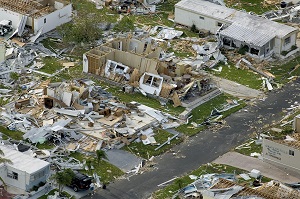
 Natural Disasters Disrupting Supply Routes is a news and information topic monitored and covered by: Prepper Watch – Supply Chain
Introduction
In the world of prepping, one of the most critical and often unpredictable threats is the disruption of supply chains due to natural disasters. Events such as hurricanes, earthquakes, and floods can cause significant damage to the infrastructure that supports transportation, production, and distribution of goods.
When these systems break down, preppers must be ready to adapt quickly to ensure their survival and self-sufficiency. In this comprehensive guide, we will explore how preppers can prepare for the impact of natural disasters on supply chains, and how they can mitigate the risks associated with transportation and production infrastructure breakdowns.
Understanding the Impact of Natural Disasters on Supply Chains
Natural disasters like hurricanes, earthquakes, and floods are among the most common causes of disruption in supply chains. These events can:
- Damage Infrastructure: Roads, bridges, railways, and ports can be destroyed or rendered impassable, severely disrupting the flow of goods.
- Halt Production: Factories and production facilities may be destroyed or forced to shut down due to damage or lack of raw materials.
- Disrupt Transportation: Supply routes can be blocked, with cargo ships unable to dock, trucks unable to travel, and planes grounded due to weather conditions or damaged infrastructure.
- Cause Resource Shortages: As supply chains are disrupted, products such as food, water, fuel, medical supplies, and everyday goods can become scarce, leading to price hikes and shortages.
The Importance of Stockpiling for Natural Disasters
The first line of defense against the disruption of supply chains due to natural disasters is stockpiling essential goods. Preppers must be proactive in building up reserves of the following critical supplies:
- Non-perishable Foods: Stockpile a variety of foods that have long shelf lives, such as canned goods, freeze-dried meals, rice, pasta, and dried beans.
- Water: Store enough water to last through extended periods of supply chain disruptions. Experts recommend at least one gallon of water per person per day for drinking and sanitation.
- Medical Supplies: Build a comprehensive medical kit, including prescription medications, over-the-counter drugs, first-aid supplies, and emergency medical equipment.
- Fuel and Energy: Store fuel for generators, and consider renewable energy sources like solar panels and wind turbines to reduce reliance on the grid.
- Tools and Equipment: Ensure you have the necessary tools for self-reliance, such as a shovel, axe, hammer, and other basic tools to repair infrastructure or construct temporary shelters.
Localized Resilience: Developing Self-Sufficiency
While stockpiling goods is essential, self-sufficiency is a key concept for preppers to embrace when supply chains fail. Developing localized resilience allows individuals and families to weather the storm independently.
- Home Gardening: Establish a home garden to produce food locally. Focus on easy-to-grow crops such as tomatoes, peppers, beans, and herbs. Consider vertical farming or aquaponics systems for space efficiency.
- Livestock and Animal Husbandry: If you have the space, raise chickens, goats, or rabbits for food production. Small-scale livestock farming can provide eggs, milk, and meat in times of scarcity.
- Water Collection Systems: Install rainwater collection systems and water filtration systems to ensure you have access to clean water even when municipal systems are disrupted.
Strengthening Community Networks
In times of disaster, community preparedness becomes crucial. Building strong relationships with neighbors and other like-minded individuals can enhance your ability to survive and recover from natural disasters.
- Mutual Assistance Groups (MAGs): Form or join a Mutual Assistance Group, a network of families and individuals who come together to share resources, labor, and knowledge in times of need. These groups can exchange food, medical supplies, tools, and labor to maintain infrastructure and help those in need.
- Bartering Systems: Develop a barter network with local preppers and community members. As supply chains falter, money may lose value, and bartering can become a viable means of acquiring essential goods and services.
- Skills Sharing: In a crisis, practical skills such as construction, farming, medical expertise, and engineering become invaluable. Be sure to share skills and knowledge with your community to ensure everyone is equipped to handle the situation.
Diversifying Supply Sources
Dependence on a single supply source for essential goods can leave you vulnerable in the event of a disaster. A prepper must focus on diversifying their sources of supplies, both locally and globally, to reduce risk.
- Local Suppliers: Develop relationships with local farmers, craftsmen, and small business owners who can provide food, tools, and other essentials. Local sources can often deliver faster and more reliably than distant suppliers.
- Multiple Retail Outlets: Avoid relying on a single retail store or online supplier. Establish accounts with multiple vendors, including those offering emergency supplies, and keep a close eye on their stock and prices.
- Global Sourcing: While local sourcing is critical, maintaining backup suppliers from outside your immediate area can ensure access to goods when local supply chains are affected. This may include international suppliers for unique items or bulk goods that are hard to find locally.
Transportation and Logistics Planning
Transportation is one of the most vulnerable aspects of the supply chain during natural disasters. Roads, bridges, and ports may be damaged, impeding the movement of goods. Preppers must have contingency plans in place for securing transportation and essential logistics.
- Backup Transportation: Having a reliable vehicle with fuel reserves is essential. Ensure your vehicles are well-maintained and capable of navigating difficult terrain. If you have the means, consider acquiring a 4×4 truck, ATV, or even a boat for water navigation.
- Alternative Routes: Identify multiple escape routes and alternate paths that can be taken if the main roads become impassable. This will allow you to move goods, people, and supplies safely when traditional routes are blocked.
- Bug-Out Bags: Equip each member of your household with a bug-out bag containing essentials like food, water, first-aid supplies, and necessary tools. These bags should be ready for immediate use in case of evacuation.
Communications in Disasters
Effective communication is key when supply chains fail. In a crisis, traditional communication methods like cell phones or internet service may be interrupted. Preppers should prepare for alternative means of communication.
- Radio Communication: Invest in emergency radios, including ham radios, which can provide real-time information from local authorities and fellow preppers. A two-way radio system can be used for coordination among MAGs or local community groups.
- Satellite Phones: While not a necessity for all preppers, satellite phones can provide a reliable communication method when other systems go down. This is especially important if you live in remote areas or need to stay connected with loved ones outside the immediate area.
- Communication Plans: Establish clear communication plans with family members and neighbors, including designated meeting points, contact protocols, and emergency contacts.
Emergency Infrastructure Plans
When disasters strike, critical infrastructure such as electricity, water, and communication systems may be disrupted. Preppers should plan to become as independent as possible by building resilient infrastructure.
- Off-Grid Power: Install solar panels, wind turbines, or backup generators to ensure a continuous power supply. This can be essential for running lights, refrigeration, and other basic needs.
- Water Storage: Ensure access to multiple water sources, including backup water tanks, filtration systems, and rainwater collection. This will help avoid reliance on municipal water systems during supply chain disruptions.
- Waste Management: In the event of an extended disaster, sanitation becomes a top priority. Invest in composting toilets or waste management solutions that do not rely on municipal sewage systems.
Contingency Plans for Long-Term Disruptions
Natural disasters can cause extended disruptions in supply chains, lasting weeks, months, or even longer. Preppers must plan for long-term scenarios where basic services and goods may be unavailable for an extended period.
- Extended Food Storage: In addition to immediate supplies, focus on long-term food storage options such as freeze-dried meals, canned goods, and bulk grains. These can last for years and provide essential nutrition when fresh food is unavailable.
- Waste Reduction and Recycling: In times of extended disruption, being able to recycle and reuse materials is crucial. Develop systems to reuse food scraps, containers, and other materials to minimize waste and maximize available resources.
- Mental Health Preparedness: Long-term isolation and disruption can take a toll on mental health. Ensure that you have strategies in place for maintaining emotional well-being, such as creating a routine, maintaining social connections, and focusing on community support.
Conclusion
Natural disasters have the potential to disrupt supply chains in devastating ways, but with the right preparation, preppers can mitigate these risks and increase their chances of survival. Stockpiling essential goods, building self-sufficiency, strengthening community networks, and diversifying supply sources are all crucial steps to take in anticipation of a disaster. By planning for alternate transportation routes, maintaining reliable communication, and creating emergency infrastructure, preppers can ensure that they remain resilient even in the face of severe disruptions.
Preparing for natural disasters requires foresight, adaptability, and a commitment to resilience. With careful planning and a proactive mindset, preppers can not only survive but thrive in the aftermath of supply chain disruptions caused by hurricanes, earthquakes, floods, and other natural events.