
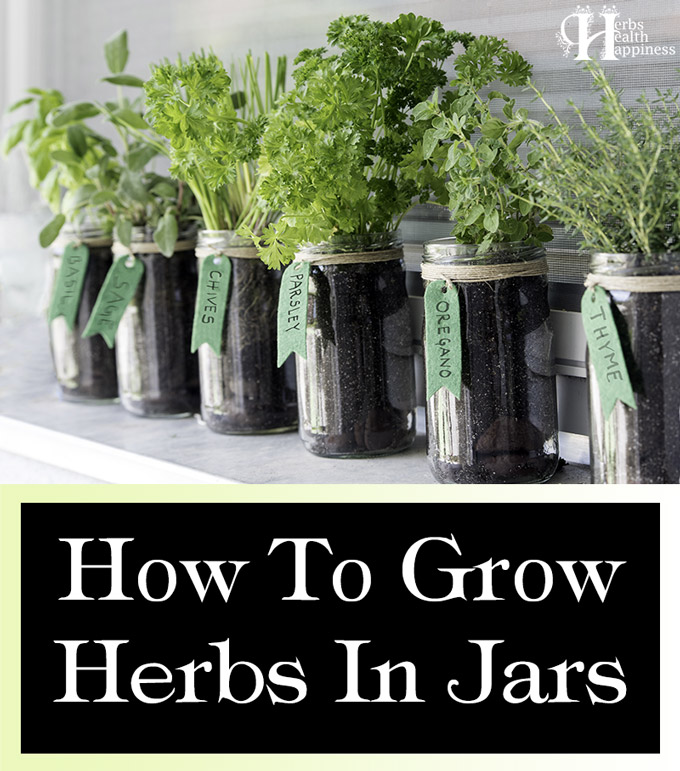
🌿 How To Grow Herbs in Jars (Perfect for Preppers, Small Spaces & Winter Growing!)
If you’ve ever wanted a simple, low-cost herb garden you can grow right on your windowsill—this is one of the easiest methods you’ll ever try. You don’t need fancy equipment, raised beds, or expensive planters. Just jars you already have, a sunny window, and a few herbs that thrive even in tight spaces.
This is a perfect project for:
✔ Apartment preppers
✔ Winter gardening
✔ Off-grid kitchens
✔ Micro-homesteaders
✔ Anyone wanting year-round fresh herbs
Let’s break it down 👇
🌱 Why Grow Herbs in Jars?
Herbs grown indoors are more than kitchen flavor—they’re medicine, nutrition, and self-sufficiency. Jars are:
Free or cheap (mason jars, pasta jars, coconut oil jars… anything works)
Space-saving
Low maintenance
Portable (great for bug-in setups)
Perfect for year-round production
And when the grid is down or supply chains break? Having fresh herbs for cooking AND first aid becomes a real advantage.
🫙 How to Set Up Your Jar Garden
The key is managing drainage, since jars don’t have holes at the bottom. Here’s the simple setup:
Add 1–2 inches of sand
Add a layer of small stones
Add 2–3 inches of potting soil
Plant seeds or starter cuttings
Water lightly—herbs in jars hate soggy soil.
Twice per week max (less for thyme or rosemary).
Place jars in the sunniest window you have. South-facing is ideal.
Decorative labels, twine, or painted lids make the whole setup look beautiful—especially for kitchen storage.
🌿 Best Herbs to Grow in Jars (Prepper Edition)
🌱 Basil – fast-growing & delicious
Great for pastas, soups, herbal medicine, and anti-inflammatory teas.
Tips:
Needs the most sunlight of all herbs
Keep soil slightly moist
Pinch off flowers to boost leaf growth
Harvest from the top down
Basil is packed with antioxidants and essential oils like linalool and eugenol, giving it real medicinal value.
🌱 Thyme – tough, drought-resistant, medicinal
Thyme thrives in jars and barely needs water.
Tips:
Loves full sun
Prefers dry soil
Add extra sand for drainage
Snip sprigs throughout the season
Historically used for coughs, sore throats, infections, and even protection in medieval times. Strong antimicrobial properties.
🌱 Parsley – nutrient powerhouse
Loaded with vitamins A, C, and K, and packed with minerals.
Tips:
Needs a deeper jar (it grows a taproot)
Likes consistent moisture
Best in indirect sunlight
Harvest outer stems first
Parsley supports kidney health, blood pressure, and immune function.
🌱 Mint – grows almost TOO well
Perfect for teas, digestion, headaches, cooling remedies.
Tips:
ALWAYS give mint its own jar—it spreads aggressively
Trim regularly
Great in water or soil
Prefers bright light, not hot sun
Peppermint and spearmint are ideal for jar growing.
💧 Want Even Faster Results? Try Hydroponic Jar Herbs
Yes—you can grow herbs in jars without soil using a simple hydroponic setup:
Mason jar
Net pot
Rockwool or clay pebbles
Water with nutrients
Herb seeds or small plants
Maintain pH around 5.5–6.5, change water every 1–2 weeks, and keep roots partly above the waterline.
Hydroponics grow faster, cleaner, and bigger—great for winter production.
🛠️ Common Issues & How to Fix Them
✔ Root rot?
Water less. Ensure good sand + stone drainage.
✔ Leggy herbs?
Not enough light—move to a sunnier window or add a small grow light.
✔ Yellow leaves?
Likely nutrient deficiency—add a light, organic fertilizer monthly.
✔ Slow growth?
Rotate jars weekly for even sun exposure.
✂️ Harvesting for Maximum Production
Never remove more than ⅓ of the plant
For basil: harvest from the top
For parsley: take outer stems first
For thyme: trim above a leaf node
Morning harvest = best flavor & potency
Dry, freeze, or infuse your herbs to build out your prepper pantry.
🧂 Why This Matters for Preppers
This isn’t just about having fancy kitchen ingredients.
It’s about:
Boosting nutrition when food options are limited
Growing medicinal herbs indoors year-round
Producing your own seasonings when spices become expensive or unavailable
Building confidence in micro-growing systems
A few jars on a windowsill can supply fresh herbs for months—and when you’re living through supply chain issues or emergencies, that matters.