
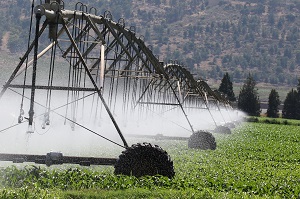
 Inefficient Irrigation Systems topic monitored and covered by: Prepper Watch – Water
Introduction
Water is the most vital resource for human survival, and its management is crucial, particularly in agriculture. Inefficient irrigation systems contribute to the depletion of water resources, reduced agricultural output, and increased competition for water in times of scarcity. For preppers, the threat of inefficient irrigation is not just an agricultural concern but a broader risk that could impact food security, water availability, and even economic stability.
In this blog, we will explore the risks posed by inefficient irrigation, how preppers can anticipate and prepare for these issues, and practical strategies for mitigating the consequences. This preparation focuses not only on improving irrigation systems but also on finding alternative water sources, enhancing self-sufficiency in food production, and ensuring water conservation across different survival scenarios.
The Importance of Efficient Irrigation in Agriculture
Agriculture relies heavily on water, especially in regions with dry climates or during periods of drought. Irrigation is the process of artificially supplying water to soil to help crops grow in areas where rainfall is insufficient. However, poor irrigation practices—such as over-irrigation, under-irrigation, and inefficient water delivery methods—can exacerbate water shortages and degrade the environment.
There are several types of irrigation systems, including surface irrigation, drip irrigation, and sprinkler systems. Each has its own advantages and drawbacks. Inefficiency can manifest in the form of water loss through evaporation, runoff, or improper distribution.
Key issues with inefficient irrigation include:
- Water wastage: When irrigation is not properly managed, water can be wasted through evaporation or runoff, reducing the amount available for crops.
- Depletion of aquifers: Over-reliance on groundwater without proper recharge mechanisms can lead to the depletion of aquifers.
- Soil salinization: Inadequate drainage in irrigation systems can cause salts to accumulate in the soil, harming crop yields.
- Crop loss: Poor water distribution can result in uneven growth and yield loss in crops, which impacts food production.
In a world already facing increasing water scarcity, the implications of inefficient irrigation systems are severe. Preppers understand that ensuring reliable food and water sources is critical for their survival plans.
How Inefficient Irrigation Affects Food Security
The consequences of inefficient irrigation systems extend beyond agriculture into food security. As crop yields decrease due to poor irrigation, food prices can increase, leading to economic instability. This is particularly problematic in a world where food production is already under stress due to changing climates and a growing population.
Inefficient irrigation can impact food security in several ways:
- Reduced crop yields: When plants do not receive consistent, adequate water, they struggle to grow properly. This leads to lower yields and, in extreme cases, crop failure.
- Higher food prices: Reduced crop yields often result in higher prices for basic staples such as grains, fruits, and vegetables, which could put a strain on individuals and communities that are not self-sufficient.
- Unpredictability: The unpredictability of crop yields caused by inefficient irrigation can make it difficult to rely on consistent food production. This inconsistency exacerbates the vulnerability of prepper communities during times of scarcity.
For preppers, the knowledge that water management is a key factor in food production makes understanding and preparing for inefficient irrigation systems essential for future survival.
Preparing for Water Shortages Due to Inefficient Irrigation
Preppers anticipate disruptions in food and water availability, and the inefficiencies in agricultural water management are a growing concern. To address this, they focus on several strategies to mitigate the risks posed by inefficient irrigation.
- Invest in Water Conservation Practices
One of the first steps in preparing for water scarcity caused by inefficient irrigation is to focus on conservation practices that can help extend water resources.
Best practices for water conservation in agriculture include:
- Rainwater harvesting: Collecting rainwater and storing it for irrigation during dry spells can significantly reduce the need for groundwater or other external water sources.
- Soil health management: Using organic matter, mulches, and cover crops can improve soil’s water-holding capacity, reducing irrigation needs.
- Efficient irrigation systems: Installing drip irrigation or soaker hoses helps deliver water directly to the plant roots, minimizing evaporation and runoff.
- Smart irrigation technology: Utilizing automated irrigation systems that adjust based on weather forecasts or soil moisture levels helps ensure that crops receive the right amount of water at the right time.
- Diversify Water Sources
Given the unpredictability of water supply due to inefficient irrigation practices, preppers diversify their water sources to ensure a backup plan. The following methods are crucial for ensuring water availability:
- Well drilling: A sustainable water source such as a well can provide reliable water for agricultural and personal use. Proper management of wells and their depth is key to avoiding over-extraction.
- Water filtration and purification: For preppers, investing in portable or home-based filtration systems allows them to purify water from various sources, such as lakes, rivers, or rainwater.
- Desalination (in coastal areas): For those living near saltwater, desalination technology (though costly) can be used to convert seawater into drinkable water, reducing dependence on land-based sources.
- Water storage systems: Preppers can construct large water storage tanks or reservoirs on their property to store water during wet periods for later use during dry spells.
By having multiple water sources and ways to store water, preppers can better prepare for shortages stemming from inefficient irrigation.
Implementing Sustainable Farming and Irrigation Practices
Preppers focus not only on stockpiling water but also on creating systems that promote long-term sustainability. Sustainable farming practices go hand-in-hand with water conservation and efficient irrigation techniques. Implementing these practices will ensure that prepper communities remain self-sufficient even in the face of inefficient irrigation systems.
Sustainable farming techniques include:
- Permaculture: This holistic approach to farming involves designing systems that mimic natural ecosystems. By incorporating elements like rainwater catchment, efficient irrigation, and agroforestry, permaculture reduces reliance on traditional irrigation systems.
- Agroecology: Agroecology seeks to optimize the relationship between land, water, and crops. It emphasizes biodiversity, reducing water consumption, and preventing soil erosion.
- Agroforestry: The integration of trees into crop systems can improve water retention in soil, reduce evaporation, and stabilize the microclimate around crops.
By combining these practices, preppers can create an environment where their food production is resilient to external water management challenges.
Using Technology to Manage Water Resources Efficiently
In the modern world, technology plays a significant role in water management. Preppers often turn to advanced technology to help monitor and manage their water resources effectively.
- IoT Sensors for Monitoring Water Usage
The Internet of Things (IoT) can be used to monitor water usage in real-time, providing valuable insights into how much water is being used and where it can be optimized. Sensors can be placed in fields or in water storage systems to measure moisture levels, temperature, and water flow rates. This data can help preppers ensure they are using water efficiently and can prompt them to adjust irrigation schedules accordingly.
- Drones for Irrigation Management
Drones are being used in agriculture to map out irrigation needs and detect areas that require more water. By using aerial imagery and specialized sensors, drones can identify water stress in crops, allowing farmers or preppers to apply water precisely where it’s needed.
- Automated Irrigation Systems
Automated irrigation systems allow for precise control over water delivery to crops. Preppers can install smart irrigation systems that adjust water delivery based on weather forecasts, soil moisture, and crop needs. This reduces water waste and ensures that crops receive the optimal amount of water.
Creating a Water-Efficient Homestead for Self-Sufficiency
For preppers, creating a water-efficient homestead is essential for long-term survival. Homesteading allows preppers to become more self-reliant by producing their own food and water, reducing their reliance on external systems that may be affected by poor irrigation.
Steps to Build a Water-Efficient Homestead:
- Plan water-efficient landscapes: Use drought-tolerant plants and landscaping techniques that require less water.
- Install water-efficient irrigation systems: As mentioned earlier, drip irrigation and soaker hoses can help ensure water is used efficiently.
- Use greywater systems: Greywater—water that has been used for washing dishes, clothes, or bathing—can be repurposed for irrigation, reducing overall water demand.
- Create a sustainable water cycle: Implementing systems like ponds, wetlands, and aquaponics can provide water recycling and filtration for agricultural purposes.
By integrating these methods, preppers can build homesteads that are less vulnerable to the inefficiencies of public irrigation systems and more resilient in times of water scarcity.
Community-Based Solutions for Water Management
Water management on a larger scale, particularly in prepper communities, requires collective action. Communities can pool resources and knowledge to create shared water management systems that reduce individual reliance on inefficient irrigation systems.
Community-based water solutions include:
- Cooperative rainwater harvesting: Communities can establish large-scale rainwater collection systems that are shared among households for irrigation and other needs.
- Community irrigation projects: Shared irrigation systems can be managed collectively to ensure that water is distributed equitably.
- Water-sharing agreements: In times of scarcity, prepper communities can enter into agreements to share water resources, helping each household meet its agricultural needs.
Conclusion: Mitigating the Risks of Inefficient Irrigation
The threat of inefficient irrigation systems is a serious concern for preppers who are planning for self-sufficiency and long-term survival. By investing in sustainable practices, diversifying water sources, and using technology to monitor water use, preppers can ensure that they are prepared for water-related challenges in agriculture.
As we’ve seen throughout this blog, efficient water management is not only about conserving water but also about creating resilient systems that can weather disruptions. Whether you’re working on your homestead or in a prepper community, preparing for the risks posed by inefficient irrigation is an essential part of ensuring your food and water security in a rapidly changing world.