
 Transportation Accidents topic monitored and covered by: Prepper Watch – Infrastructure
Introduction
Transportation systems are the backbone of modern economies, enabling the movement of people, goods, and services across vast distances. However, these systems are vulnerable to a range of threats, from accidents to deliberate attacks. For preppers, transportation accidents, including crashes, derailments, and infrastructure damage, pose a significant risk, particularly in a disaster scenario where reliance on transportation may become critical. This blog will delve into how preppers can prepare for these types of infrastructure threats, outlining strategies and practical steps to ensure they can survive and thrive in the face of disruptions caused by transportation accidents.
Understanding Transportation Accidents and Their Impact
Before diving into specific prepper strategies, it’s important to understand what transportation accidents entail and how they can affect infrastructure.
- Crashes and Collisions: Vehicle collisions, including car crashes and truck accidents, can disrupt traffic, destroy roads, and damage bridges. These accidents often lead to gridlock, delays, and in some cases, fatalities or injuries that complicate emergency response efforts.
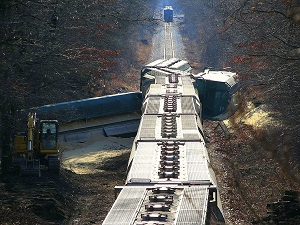
- Derailments: Train derailments, particularly those involving hazardous materials, can be disastrous. Rail lines are a vital part of the transportation network, particularly for the movement of goods and supplies. Derailments can cause hazardous spills, fires, or environmental damage.
- Infrastructure Damage: Damage to critical infrastructure, such as bridges, tunnels, or railroads, whether from accidents or natural disasters, can completely sever transportation routes, causing widespread disruptions in the flow of goods and people.
The cascading effects of these accidents can exacerbate issues like food shortages, medical supply delays, and reduced mobility for those relying on public or private transportation.
Creating a Transportation Contingency Plan
When preparing for transportation accidents, preppers should start with a well-thought-out contingency plan. This plan should account for the various ways transportation systems could be disrupted and offer strategies for dealing with these scenarios.
- Identify Key Transportation Routes: Map out critical routes that connect your location to essential resources, such as food, medical supplies, and community hubs. This could include highways, railways, ports, and airports. Consider routes you would need to take in the event of an emergency and alternate paths if major roads or infrastructure are compromised.
- Alternate Transportation Options: Ensure you have access to multiple forms of transportation, including vehicles, bicycles, and even walking routes. Having a bike or horse for travel in the event of road blockages can offer an invaluable advantage.
- Communication Networks: Set up communication networks with others in your prepper group or community. This may include radios, signal mirrors, or other non-reliant forms of communication. Being able to receive and send updates about road conditions and transportation issues is key.
- Emergency Contact Plan: In the event of transportation accidents or gridlock, communication breakdowns may occur. Establish a plan for emergency contacts to check in on each other, including pre-arranged meeting spots and backup communication methods.
Preparing for Vehicle and Road-Based Disruptions
The most common transportation accidents involve personal or commercial vehicles. Roads and highways can become impassable due to crashes, debris, or other accidents, especially during emergencies when traffic volumes are higher.
- Stockpiling Emergency Vehicle Supplies: For preppers, it’s crucial to equip vehicles with supplies to handle unexpected delays due to accidents or roadblocks. This can include:
- Fuel reserves: Keep extra fuel in approved containers.
- Emergency food and water: Stock your car with enough provisions for at least 72 hours.
- First aid kit: A well-stocked first aid kit for treating injuries from accidents.
- Tire repair kits and basic tools: A set of tools to handle basic mechanical repairs or tire changes on the road.
- Portable solar chargers: To keep phones and communication devices charged when power is unavailable.
- Prepare Your Vehicle for Long-Term Survival: If you are relying on your vehicle to transport you through a crisis, ensure that it is in good working order and can handle long distances without breaking down. Maintain a well-serviced engine, change oil regularly, and check tire pressure to avoid unnecessary breakdowns.
- Understanding Road Network Vulnerabilities: Study your area’s road networks for vulnerable spots, such as bridges or underpasses that might be more susceptible to accidents or sabotage. Identify routes that are likely to remain open in emergencies, and plan accordingly.
Preparing for Train Derailments and Rail-Based Disruptions
Train derailments are rare but have the potential to cause significant disruption, especially if hazardous materials are involved. Preppers can take several measures to prepare for these situations.
- Emergency Evacuation Plans: If you live near railroad tracks or a major rail route, develop an evacuation plan that accounts for potential train derailments. If hazardous chemicals are involved, a large area may need to be evacuated. Understand the wind patterns and the types of materials typically transported by rail.
- Diversion Routes: In the event of a derailment or blockage, know which roads or paths you can take to avoid the affected area. GPS apps can assist with real-time traffic reports, but also ensure you have paper maps as a backup in case digital systems are compromised.
- Knowledge of Local Rail Infrastructure: Stay informed about the locations of nearby railways, stations, and industrial hubs. This can help you assess the risks associated with living near them, particularly in areas where dangerous chemicals or large quantities of flammable materials are commonly transported.
Stockpiling and Resource Management During Disruptions
In any infrastructure failure, maintaining a stockpile of essential supplies can be the difference between survival and struggling to meet basic needs.
- Food and Water Storage: Always ensure that you have enough non-perishable food and clean water to last at least 72 hours in the event that transportation disruptions prevent resupply. Canned goods, freeze-dried meals, and bulk food storage are all viable options.
- Fuel for Heating and Cooking: Stockpile fuel sources for cooking and heating, such as propane tanks, butane stoves, or even firewood. A portable generator can help if there is a power outage, allowing you to cook, charge devices, and keep essential equipment running.
- Medical Supplies: A well-stocked medical kit is essential for treating any injuries from accidents or disasters. This should include basic first aid supplies, but also consider long-term needs such as antibiotics, prescription medications, and trauma care equipment.
Addressing Potential Infrastructure Vulnerabilities
Accidents that cause damage to infrastructure, such as bridges, overpasses, tunnels, or rail yards, can cause major delays. In a SHTF (Shit Hits the Fan) scenario, these vulnerabilities could severely affect transportation systems.
- Build Strong Relationships with Neighbors: In times of infrastructure damage, communities that can support each other are crucial. Have a plan to work together, share resources, and provide mutual aid during disruptions. This can be especially helpful for rerouting supplies and personnel around affected areas.
- Diversifying Transportation and Storage Methods: Aside from vehicles and rail systems, preppers can also look at alternate storage solutions, such as creating supply caches. These caches can contain food, water, tools, and other resources that might become difficult to access during transportation disruptions.
- Hardening Your Home Base: If transportation infrastructure failure is imminent, securing your own home base with backup power, food, water, and shelter is vital. Building a sustainable, self-sufficient homestead is a long-term goal to reduce dependence on external supply chains.
The Role of Technology in Transportation Risk Management
In modern times, technology can be both a help and a hindrance in managing transportation disruptions.
- Monitoring Transportation Networks: Use apps and websites to stay up-to-date on transportation issues, such as road closures, train derailments, and accidents. Many government and private sector services offer real-time tracking of traffic, railways, and air travel disruptions.
- Planning with Mapping Software: Advanced mapping software can help you identify alternative routes, assess traffic conditions, and provide real-time updates on potential hazards. Be sure to also use offline maps in case digital networks fail.
Psychological and Social Preparation for Disruptions
While physical preparedness is essential, psychological resilience is just as crucial when dealing with infrastructure failures.
- Train for Stressful Situations: Practice remaining calm in high-stress situations. Having drills for dealing with transportation disruptions and emergency scenarios will help you and your family maintain composure when chaos strikes.
- Group Communication and Coordination: In the event of large-scale transportation disruptions, it’s essential to maintain communication with other members of your prepper group. Use walkie-talkies, CB radios, or other off-grid communication tools to stay in touch when traditional means fail.
- Community Support Systems: In times of transportation failure, a strong sense of community can be a lifesaver. By fostering relationships with neighbors and like-minded individuals, you can create a safety net of resources and support that can help you weather disruptions.
Conclusion: Building Long-Term Resilience Against Transportation Accidents
Transportation accidents and infrastructure damage can pose a serious threat to preppers, but with the right preparation, these challenges can be mitigated. By creating contingency plans, diversifying transportation options, stockpiling essential supplies, and maintaining strong communication networks, you can increase your resilience against transportation disruptions.
Ultimately, preppers must think ahead, be adaptable, and build systems that allow them to navigate infrastructure challenges efficiently. Through preparedness, knowledge, and resourcefulness, you can be ready for any transportation accident that may come your way.