
 Microplastic Contamination is a news and information topic monitored and covered by: Prepper Watch – Environment
Introduction
Microplastics are small plastic particles that measure less than 5 millimeters in length. They have found their way into our food, water, and even the air we breathe, posing a serious environmental and health concern. These tiny particles come from a variety of sources, including the breakdown of larger plastic items, microbeads in personal care products, synthetic fabrics, and plastic waste that enters our oceans and rivers.
While the full extent of the long-term health effects of microplastics remains uncertain, their widespread presence in ecosystems and human bodies is cause for concern. As a prepper, the ability to mitigate exposure to microplastic contamination becomes increasingly important. This comprehensive guide will explore how preppers can prepare for the potential risks posed by microplastics, including strategies for reducing exposure, sourcing clean food and water, and building resilience in an uncertain future.
Understanding Microplastic Contamination
Before diving into practical preparedness strategies, it’s important to understand the sources and potential dangers of microplastic contamination.
Sources of Microplastics:
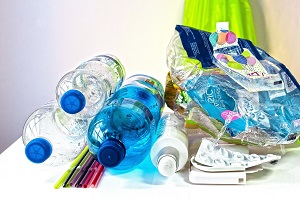
- Plastic Waste: Large plastic items like bottles, bags, and packaging break down into microplastics over time due to environmental factors like UV radiation, wind, and water.
- Synthetic Fabrics: Clothes made from polyester, nylon, and other synthetic fibers shed microplastics when washed. These particles enter wastewater systems and eventually find their way into rivers, oceans, and even the food chain.
- Personal Care Products: Microbeads used in cosmetics, toothpaste, and exfoliating products are a significant contributor to microplastic pollution.
- Industrial Processes: Many industrial activities, such as tire wear and plastic production, release microplastics into the environment.
Health Risks: While research into the health risks of microplastics is still ongoing, studies have suggested potential concerns:
- Toxicity: Microplastics can carry harmful chemicals, such as pesticides, heavy metals, and persistent organic pollutants, which may be absorbed by the human body.
- Inflammatory Effects: Some studies suggest that ingesting or inhaling microplastics could lead to inflammation, organ damage, and immune system disruption.
- Bioaccumulation: The buildup of microplastics in living organisms, including humans, can potentially result in long-term health effects, especially as these particles accumulate over generations.
Sourcing Clean Water
Water is one of the most vital resources for survival, and preppers know the importance of securing a reliable water supply. However, many sources of water may be contaminated with microplastics, especially in urban areas or regions with poor waste management practices. Here are some ways to ensure your water supply is free from microplastics:
Water Filtration: Investing in high-quality water filters is crucial to remove microplastics from drinking water. Consider these filtration systems:
- Reverse Osmosis (RO) Filters: These are one of the most effective systems for removing microplastics from water. RO filters force water through a semipermeable membrane, filtering out contaminants down to 0.0001 microns, including microplastics.
- Activated Carbon Filters: While not as effective as reverse osmosis, activated carbon filters can remove larger microplastic particles and other chemicals from water. They are commonly used in pitcher filters, faucet-mounted filters, and whole-house filtration systems.
- Ultraviolet (UV) Purifiers: UV purifiers can disinfect water, but they don’t specifically target microplastics. However, when used in conjunction with other filtration methods, UV purifiers can help eliminate pathogens and ensure cleaner water.
Collecting Water from Natural Sources: If you rely on rainwater or natural water sources like streams, rivers, or lakes, you’ll need to filter the water before consumption. A combination of sediment filtration (to remove larger particles), activated carbon filters, and UV purification should be used to address microplastic contamination effectively.
Water Storage: Invest in food-grade water storage containers to prevent contamination. Choose containers made from BPA-free plastics, as some plastics can leach chemicals into the water. Additionally, regularly clean and inspect your water storage tanks to ensure they remain free from contaminants.
Sourcing Clean Food
Food is another significant source of microplastic contamination. Studies have shown that microplastics are present in a wide range of foods, including seafood, honey, salt, and even fruits and vegetables. As a prepper, you can take several measures to minimize exposure to microplastics in your food supply.
Grow Your Own Food: One of the most effective ways to reduce exposure to microplastics in food is to grow your own. By cultivating your own garden or homestead, you can control the growing environment and reduce the likelihood of contamination. Here are some tips:
- Soil Health: Avoid using plastic-based fertilizers and chemicals. Instead, focus on organic farming practices that promote healthy soil and reduce the use of plastic materials like mulch and tarps.
- Protective Measures: Use screens or netting to protect plants from airborne microplastics. Additionally, consider planting in raised beds or greenhouses to reduce the risk of contamination from nearby industrial sources.
- Watering Practices: When watering your garden, use filtered or rainwater to reduce the risk of microplastic contamination from municipal water supplies.
Source Clean Animal Products: If you rely on animal products like meat, eggs, and dairy, it’s important to ensure that your livestock and poultry are raised in environments that limit exposure to microplastics. Feed your animals clean, natural food and provide them with uncontaminated water. Free-range or pasture-raised livestock are generally less likely to consume contaminated feed or water.
Foraging for Wild Foods: Foraging for wild food is an excellent way to reduce exposure to microplastics. Wild plants, mushrooms, and animals tend to have lower levels of contamination than commercially grown food. However, foragers should still be cautious of environmental pollution, especially near urban areas or industrial zones.
Reducing Microplastic Exposure in the Home
There are several strategies you can employ within your home to reduce microplastic contamination in everyday life.
Reduce Plastic Use: The most effective way to reduce microplastic exposure is to limit the use of plastic products. Consider replacing plastic items with alternatives made from glass, stainless steel, wood, or bamboo. For example:
- Use glass containers for food storage instead of plastic.
- Replace synthetic fabric items like polyester clothing, sheets, and blankets with natural fibers like cotton, wool, and linen.
- Avoid personal care products with microbeads, opting for natural alternatives instead.
Proper Waste Disposal: To prevent plastic waste from breaking down into microplastics in the environment, practice proper waste disposal and recycling. Ensure that plastics are properly sorted and disposed of, and minimize single-use plastic products.
Ventilation and Air Quality: Since microplastics are found in the air, it’s essential to maintain good indoor air quality. Use air purifiers equipped with HEPA filters to remove airborne particles, including microplastics. Additionally, increase ventilation by opening windows and using exhaust fans to reduce the concentration of airborne pollutants.
Stockpiling Microplastic-Free Supplies
Preppers typically focus on stockpiling essential supplies, such as food, water, and medical items, in preparation for emergencies. However, ensuring that your stockpile is free from microplastics is equally important.
Microplastic-Free Food: When stocking up on canned goods, dehydrated meals, and freeze-dried food, look for options that use minimal plastic packaging. Consider purchasing from companies that prioritize sustainable packaging, such as glass jars or metal cans. Also, opt for organic foods when possible to reduce the risk of plastic contamination in your food supply.
Clean Water Storage: When preparing your emergency water supply, ensure that the containers used are free from BPA and other harmful chemicals that may leach into the water over time. Use high-quality, food-grade plastic containers or opt for glass and stainless steel options.
Medical Supplies: Microplastics may also be present in medical supplies, such as bandages, syringes, and medications. Consider researching suppliers that offer more eco-friendly and plastic-free options, particularly for long-term stockpiling.
Creating a Resilient Microplastic-Free Lifestyle
While complete elimination of microplastics from your life may not be possible, creating a resilient lifestyle that minimizes exposure is essential for long-term health and sustainability.
Community Preparedness: Work with your prepper group or local community to share knowledge and resources related to reducing microplastic exposure. Consider organizing workshops on sustainable living practices, clean food production, and alternative materials.
Education and Advocacy: Stay informed about the latest research on microplastics and their health effects. Advocate for policies that reduce plastic pollution and support sustainable, eco-friendly practices. By raising awareness and making informed choices, you can help reduce microplastic contamination at both the personal and societal levels.
Conclusion: A Clean Future for Preppers
Microplastic contamination is a growing concern, but with the right knowledge and preparation, preppers can significantly reduce their exposure to these harmful particles. By sourcing clean water, growing food free from plastic contamination, and minimizing the use of synthetic materials, preppers can create a more resilient and self-sufficient lifestyle in the face of this emerging threat. Through practical steps and community engagement, we can build a cleaner, safer future for ourselves and generations to come.