
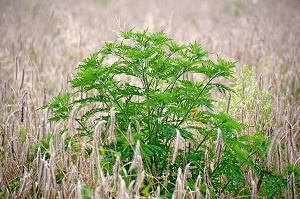
 Invasive Species is a news and information topic monitored and covered by: Prepper Watch – Environment
Introduction
Invasive species are plants, animals, or microorganisms that are introduced to an environment where they do not naturally occur. Once these non-native species become established, they can cause significant damage to local ecosystems, agriculture, and even human health. For preppers, understanding the risks posed by invasive species is critical to maintaining self-sufficiency and food security. In this blog, we will explore how preppers can prepare for and respond to the threat of invasive species, with a focus on the impact they can have on ecosystems, crops, medicinal plants, and overall preparedness strategies.
Understanding Invasive Species and Their Impact
Invasive species can be intentional or accidental introductions, with consequences that often go unnoticed until it’s too late. For instance, non-native plants might be introduced as ornamental species, but they can quickly outcompete native vegetation. Invasive animals might disrupt local food chains, preying on native species or spreading diseases. Invasive insects, such as the emerald ash borer or Asian longhorn beetle, can decimate entire forests, affecting biodiversity and agricultural production.
The impact on crops and medicinal plants is particularly significant for preppers who rely on self-sufficiency. Invasive species can:
- Outcompete native crops: Certain invasive plants grow faster or produce more seeds than native species, often leading to the displacement of essential crops.
- Damage to crops: Some invasive species directly harm crops by feeding on them or carrying plant diseases that affect yields.
- Disruption of medicinal plants: Many preppers depend on foraging for medicinal herbs and plants. Invasive species can crowd out these valuable resources, making it harder to find and harvest them.
The Risk to Agricultural Systems
Invasive species pose a substantial risk to agricultural systems. The introduction of pests, disease carriers, and fast-growing weeds can destroy crops, leading to decreased yields or even crop failures. For preppers with gardens or those who are preparing to live off the land, these risks can be devastating. Some of the most common agricultural threats include:
- Invasive weeds: These plants often have aggressive growth habits and can outcompete food crops for resources like water and sunlight. Examples include kudzu and giant hogweed.
- Insect pests: Insects like the Japanese beetle, which damages plants by feeding on leaves and roots, can decimate gardens.
- Plant pathogens: Fungal infections or bacterial diseases carried by invasive species can infect crops, reducing harvests or causing plant death.
By learning how to identify invasive pests and plants early, preppers can act swiftly to manage these threats before they cause widespread damage.
The Role of Early Detection and Monitoring
One of the most effective strategies in managing invasive species is early detection and monitoring. If preppers are able to identify the early signs of invasive species, they can intervene before these species spread too widely. Early detection involves:
- Monitoring gardens and crops: Regular inspections of your garden for signs of invasive plants or pests can help you spot problems before they escalate.
- Learning the signs of invasive species: Understanding the specific plants and animals that are invasive in your area will help you identify potential threats. For example, knowing the appearance of Japanese knotweed can help you catch it early.
- Using pest traps: Setting traps for insects, especially in areas where you grow food, can help monitor pest populations.
- Working with local networks: Connecting with local gardening groups or online prepping communities can help share information on invasive species in your region.
Preventing the Introduction of Invasive Species
Preventing the introduction of invasive species is a crucial step in safeguarding gardens, crops, and medicinal plants. Preppers should take proactive measures to ensure that they are not unknowingly introducing non-native species into their environment:
- Avoid planting invasive species: Many non-native plants are sold in nurseries or garden centers. However, some of these plants may be invasive and should be avoided. Research the plants before planting them to ensure they are not a threat to local ecosystems.
- Inspect gardening supplies: Soil, mulch, and compost can carry invasive seeds, so always check these materials before using them in your garden. Consider buying local, as these materials are less likely to carry invasive species.
- Control the movement of animals: If you’re raising animals for food, be cautious when acquiring new livestock. Invasive species can spread diseases to native animals or plants, so make sure the animals you’re introducing are free of such threats.
- Clean gardening tools and equipment: Soil and seeds can cling to tools, shoes, and clothing, so it’s important to clean all equipment after using it in a potentially contaminated area.
Preparing Your Garden for Invasive Species
To defend your garden and crops against invasive species, preppers need to adapt their gardening practices. Implementing certain techniques can help minimize the risk of invasive species taking hold:
- Create physical barriers: Fencing or barriers around crops can prevent animals and insects from reaching them. For plants, row covers can shield them from pests like beetles or moths.
- Use companion planting: Companion planting involves growing different crops together that benefit each other, either by repelling pests or enhancing growth. This strategy can help minimize the damage caused by invasive species.
- Diversity in planting: Diversifying the types of plants you grow makes it harder for invasive species to gain a foothold. Consider growing a mix of native and non-invasive non-native species that are suited to your climate and region.
- Mulching and soil management: Healthy soil will help crops resist invasive species. Regularly mulch around plants to suppress weed growth, and practice crop rotation to prevent soil depletion.
Using Natural Remedies to Control Invasive Species
For preppers who want to avoid using chemicals in their gardens or farming areas, there are several natural ways to control invasive species. Organic gardening methods can provide sustainable solutions to invasive plant and pest problems:
- Hand-pulling weeds: Manually removing invasive plants can be effective, especially for smaller infestations. However, this method requires persistence and can be labor-intensive.
- Vinegar and salt solutions: These substances can be used to kill invasive plants or weeds. However, they must be applied carefully, as they can also harm desirable plants.
- Beneficial insects: Some insects, like ladybugs, can help control harmful insect populations, reducing the need for pesticides.
- Neem oil and insecticidal soaps: These are non-toxic methods that can help manage pest populations, particularly on vegetables and fruits.
Understanding the Role of Foraging and Medicinal Plant Protection
Preppers who rely on foraging for food and medicinal plants face a unique set of challenges with invasive species. Invasive plants can crowd out native species that are essential for foraging. Here’s how to protect these valuable resources:
- Learn to identify native and invasive species: Understanding which plants are native and which are invasive is key. Foraging for native plants should be prioritized, and invasive species should be carefully avoided or controlled.
- Forage in protected areas: If you’re foraging in the wild, choose locations where invasive species have not been introduced. National parks or nature reserves might be good areas for harvesting medicinal plants.
- Cultivate medicinal plants at home: To ensure a reliable source of medicinal plants, consider growing them in your garden or greenhouse. This provides a buffer against invasive species and environmental disruptions.
- Preserve harvested plants: Learning to preserve and store medicinal plants through drying, canning, or tinctures ensures that you have a reliable stockpile of remedies in case local foraging areas become compromised by invasive species.
Adapting to Invasive Species with Permaculture Principles
Permaculture offers an holistic approach to preparing for invasive species. It focuses on designing ecosystems that are self-sustaining and resilient. Here are ways permaculture principles can help manage invasive species:
- Design for resilience: Permaculture systems are designed to be resilient to a variety of stresses, including invasive species. By selecting plants and animals that thrive together, preppers can create a system where invasive species are less likely to succeed.
- Integrate pest management: Natural pest control methods, such as attracting predatory insects or using plants that repel pests, can help keep invasive species under control in a permaculture garden.
- Forest gardens: Forest gardens mimic natural ecosystems and use a layered approach to planting. This can reduce the space and resources available for invasive species to take over.
- Water management: By using techniques like rainwater harvesting or swales, preppers can manage water resources in ways that promote healthy ecosystems and discourage invasive species.
Long-Term Strategies for Invasive Species Management
Managing invasive species is an ongoing process. While immediate actions are important, preppers must also adopt long-term strategies to ensure their preparedness remains effective over time:
- Keep learning: Invasive species can evolve and adapt. Continuous learning about new threats and changes in local ecosystems can help you stay ahead.
- Work with your community: Invasive species management is often most effective when communities work together. Share knowledge with your neighbors, local farming groups, and gardening clubs.
- Maintain a seed bank: A well-maintained seed bank can serve as a backup if your crops or medicinal plants are overrun by invasive species. Choose heirloom, non-GMO varieties to ensure a diverse range of resilient plants.
Conclusion
Invasive species present a significant threat to preppers, but with careful planning and preparation, it is possible to mitigate the risks they pose. By understanding how these species impact ecosystems, crops, and medicinal plants, and by implementing strategies such as early detection, prevention, and natural control, preppers can protect their resources and ensure their long-term self-sufficiency. With a mix of knowledge, vigilance, and resilience, preppers can adapt to the challenges of invasive species and continue to thrive in the face of uncertainty.