
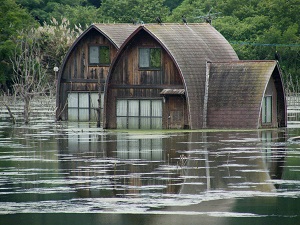
 Flooding from Storm Surges is a news and information topic monitored and covered by: Prepper Watch – Natural Disasters
Introduction
Flooding from storm surges is one of the most devastating natural disasters, particularly for coastal communities. Rising sea levels, intensified storms, and changing weather patterns have increased the frequency and severity of storm surges in recent years. A storm surge occurs when strong winds from a storm push water toward the shore, creating a wall of water that can inundate communities, destroy infrastructure, and displace populations.
For preppers, preparing for storm surges is critical—not only for surviving the immediate impact but also for managing the aftermath, including long-term displacement, loss of resources, and infrastructure damage. A well-thought-out plan, combined with the right supplies and skills, can make the difference between survival and catastrophe.
In this guide, we’ll cover the key steps that preppers should take to prepare for flooding caused by storm surges, including:
- Understanding the science behind storm surges
- Assessing the risk in your area
- Strengthening your home and property
- Building an emergency supply kit
- Creating an evacuation plan
- Preparing for long-term displacement
- Establishing communication strategies
- Protecting critical infrastructure and resources
- Recovering after the storm
- Practicing and improving your preparedness plan
Understanding the Science Behind Storm Surges
What is a Storm Surge?
A storm surge is an abnormal rise in sea level caused by intense storms, such as hurricanes and typhoons. This rise is primarily driven by the following factors:
- Strong winds – High-speed winds push large volumes of water toward the shore.
- Low atmospheric pressure – A storm’s low-pressure center allows the ocean surface to rise.
- Shallow coastlines – Shallow waters along the coast can amplify the surge height.
- High tides – If a storm surge coincides with a high tide, the resulting flooding can be catastrophic.
How Climate Change Contributes to Storm Surges
Rising sea levels due to melting glaciers and warming oceans mean that even moderate storms can cause significant flooding. Additionally, warmer sea surface temperatures increase the intensity of hurricanes, leading to more severe storm surges.
Assessing the Risk in Your Area
Before developing a preparedness plan, it’s essential to evaluate the risk of storm surges in your location.
How to Assess Your Risk
- FEMA Flood Maps – Use FEMA’s online tools to identify flood zones and storm surge risk areas.
- Historical Data – Research past hurricanes and storm surges in your region.
- Elevation and Proximity to Water – Low-lying areas near the coast or rivers are at higher risk.
- Drainage Infrastructure – Poor drainage increases the likelihood of standing water and flooding.
Key Indicators of High Risk
- Coastal regions below 10 feet above sea level
- Areas with a history of hurricane landfalls
- Communities with outdated or inadequate flood control systems
Strengthening Your Home and Property
Reinforcing your home against flooding can reduce damage and increase your chances of survival during a storm surge.
Structural Improvements
- Elevate your home – Raise your home on stilts or pilings if you live in a flood-prone area.
- Install flood barriers – Use sandbags, flood panels, and berms around your property.
- Seal foundation cracks – Prevent water infiltration through foundation walls.
- Install sump pumps – Ensure that sump pumps have battery backups in case of power failure.
- Waterproof the basement – Apply waterproof coatings to basement walls and floors.
Protecting Utilities
- Elevate electrical outlets – Place them at least 12 inches above the base flood elevation.
- Secure propane tanks – Anchor propane tanks to prevent them from becoming hazards.
- Backup power – Install a generator to maintain critical systems during an outage.
Building an Emergency Supply Kit
Preppers should have a comprehensive emergency kit ready before storm season begins.
Essentials for a Flood Kit
- Drinking water – At least one gallon per person per day for two weeks.
- Non-perishable food – Canned goods, freeze-dried meals, and high-calorie snacks.
- First aid supplies – Include antibiotics, bandages, antiseptics, and over-the-counter medications.
- Waterproof containers – Store important documents and supplies in waterproof bags.
- Portable stove and fuel – In case you lose power.
- Clothing and blankets – Waterproof jackets and thermal blankets.
- Personal hygiene products – Including moist towelettes and hand sanitizer.
- Cash and emergency contacts – ATMs may not function during power outages.
- Tools and supplies – Flashlights, batteries, multi-tools, and duct tape.
- Communications devices – Emergency radio, walkie-talkies, and satellite phones.
Creating an Evacuation Plan
If a storm surge threat is imminent, you may need to evacuate quickly. A clear evacuation plan will reduce stress and increase your chances of getting out safely.
Steps to Develop an Evacuation Plan
- Know your evacuation routes – Identify multiple exit routes in case some are blocked.
- Establish meeting points – Choose safe locations where family members can regroup.
- Practice the plan – Conduct regular evacuation drills with your household.
- Prepare your vehicle – Keep your gas tank at least half full and pack supplies in advance.
- Monitor weather alerts – Sign up for local weather notifications and emergency alerts.
Preparing for Long-Term Displacement
After a storm surge, infrastructure damage and flooding can displace you from your home for weeks or even months.
Long-Term Preparation
- Alternative shelter – Secure access to an RV, cabin, or other off-grid shelter.
- Portable solar panels – For long-term power needs.
- Water filtration systems – Ensure access to clean drinking water.
- Stockpile long-term food supplies – Freeze-dried and dehydrated foods.
- Emergency communication plan – Establish contact with out-of-state family or friends.
Establishing Communication Strategies
Communication is critical during and after a storm surge event.
Reliable Communication Methods
- Satellite phones – Function even when cell towers are down.
- Ham radios – Reliable for long-distance communication.
- Emergency beacons – Use for rescue signaling if you’re stranded.
- Family communication plan – Assign roles and check-in schedules.
Protecting Critical Infrastructure and Resources
Protecting critical infrastructure can minimize the impact of flooding and improve recovery time.
Key Considerations
- Backup power – Generators and solar panels.
- Secure fuel supplies – Store fuel in elevated, waterproof containers.
- Secure food and water – Keep supplies in high-ground storage areas.
Recovering After the Storm
The aftermath of a storm surge can be as dangerous as the event itself.
Recovery Priorities
- Assess structural damage – Look for foundation cracks and water damage.
- Check for contamination – Floodwaters may carry sewage and hazardous chemicals.
- Document damage – For insurance and disaster relief claims.
- Purify water sources – Boil or treat any water before consuming it.
Practicing and Improving Your Preparedness Plan
Preparedness isn’t static—it requires regular practice and improvement.
Best Practices
- Conduct regular drills – Test evacuation plans and communication systems.
- Inspect and update supplies – Rotate food, water, and batteries regularly.
- Learn from experience – After each storm season, update your plan based on what worked and what didn’t.
- Stay informed – Follow updates on climate trends and storm surge patterns.
Conclusion
Preparing for flooding from storm surges requires a proactive and comprehensive approach. Preppers need to understand the science behind storm surges, assess their local risk, and take concrete steps to strengthen their homes and supplies. By building a solid evacuation plan, securing critical infrastructure, and preparing for long-term displacement, preppers can improve their chances of surviving and recovering from these increasingly common and devastating natural disasters.