
Introduction
In recent years, the agriculture and livestock industries have faced immense challenges that have led to widespread culling of chickens and other farm animals.
 Whether due to disease outbreaks, economic downturns, or stringent regulatory measures, these mass culling events have had far-reaching effects on food supply chains, pricing, and global food security.
Understanding the reasons behind these culling events and their consequences is crucial to addressing the ongoing food crisis.
Reasons for Recent Mass Culling Events
1. Avian Influenza and Other Animal Diseases
One of the primary reasons for large-scale culling is the outbreak of highly contagious animal diseases. Avian influenza (HPAI), African swine fever, and bovine tuberculosis have led to the mass destruction of poultry, pigs, and cattle worldwide. These outbreaks pose significant threats to both food safety and public health, prompting governments to implement strict culling policies.
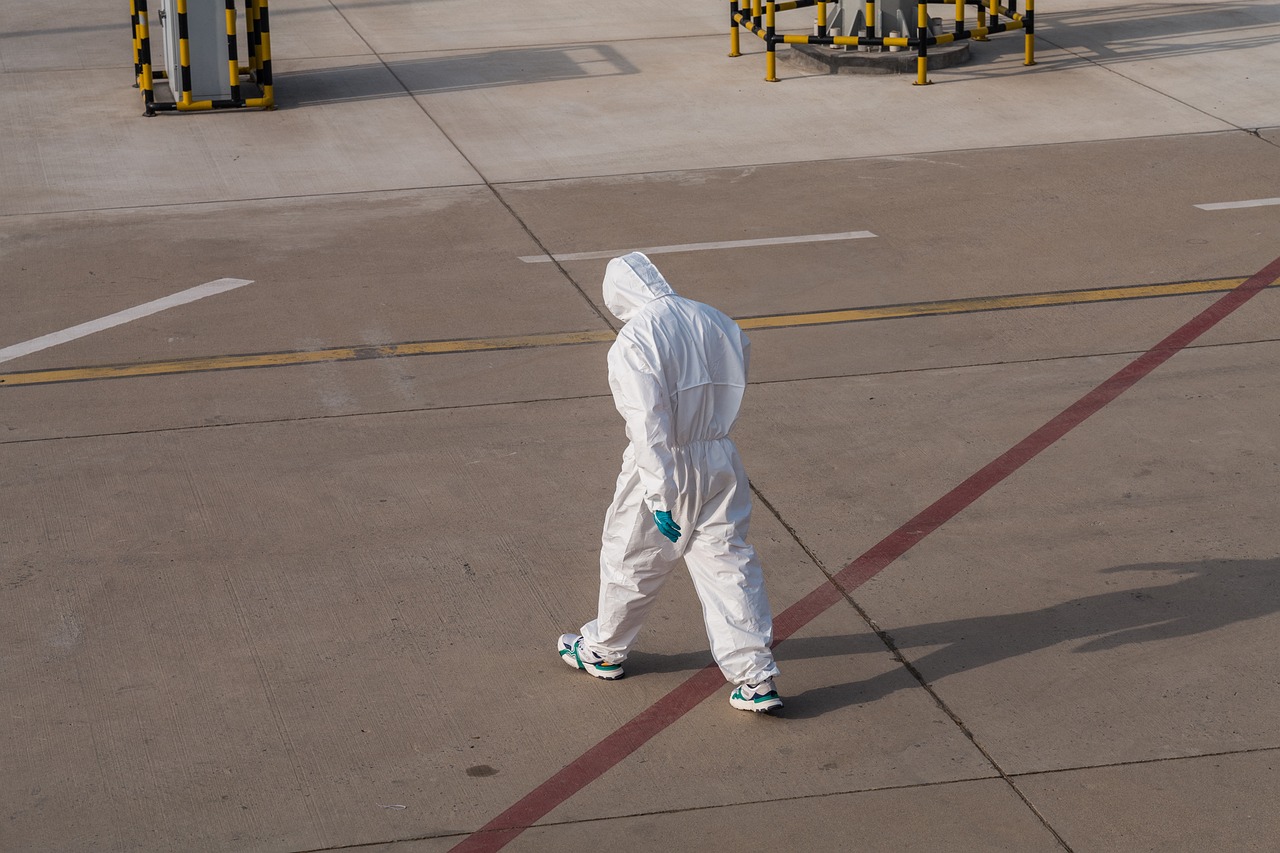
- Avian Influenza (Bird Flu): The 2022-2023 bird flu epidemic led to the culling of over 58 million poultry in the United States alone. Similar outbreaks in Europe and Asia further reduced global poultry supplies. This drastically affected egg and meat availability, causing prices to soar.
- African Swine Fever (ASF): A deadly virus affecting pigs, ASF has wiped out a significant percentage of the global pork supply, particularly in China, which is the world’s largest pork consumer.
- Mad Cow Disease (Bovine Spongiform Encephalopathy): Sporadic cases have led to the culling of entire herds, resulting in further shortages of beef and dairy products.
2. Regulatory Policies and Government-Ordered Culling
Governments and international organizations impose strict biosecurity measures that often result in mass culling. These policies aim to prevent outbreaks from spreading but also contribute to food shortages.

- Zero-Tolerance Policies: Some countries mandate culling even if a small percentage of livestock is infected, leading to large-scale destruction of food resources.
- Trade Restrictions: Outbreaks in major food-exporting nations result in trade bans, which further limit global supply chains.
- Environmental Regulations: Certain government policies enforce reduced livestock farming to curb carbon emissions, indirectly limiting meat and dairy production.
3. Economic Pressures and Rising Costs of Production
The rising costs of feed, fuel, and labor have made it increasingly difficult for farmers to sustain livestock. Many have been forced to reduce their herd sizes or exit the industry altogether.
- Feed Costs: The war in Ukraine and climate-related droughts have reduced global grain production, making animal feed more expensive.
- Labor Shortages: The ongoing labor crisis has left farms with fewer workers to manage livestock, prompting downsizing and culling.
- Energy Costs: Rising fuel and electricity costs make it less economical to maintain large herds, pushing farmers to cull animals prematurely.
4. Supply Chain Disruptions
Global transportation and processing bottlenecks have compounded food shortages. Slaughterhouses, meatpacking plants, and processing facilities have struggled to keep up with demand due to COVID-19 lockdowns, staffing shortages, and logistical failures.
- Processing Plant Closures: The pandemic caused many meat processing facilities to shut down temporarily, leading to backlog and forced culling.
- Export Limitations: Countries have restricted exports of meat and poultry products to preserve domestic supply, reducing availability in international markets.
- Shipping and Transportation Delays: Rising fuel prices and supply chain congestion have slowed food distribution, making shortages even worse.
Impact on Global Food Supply and Market Prices
The widespread culling of animals has significantly disrupted the global food supply, leading to shortages and inflation in multiple sectors. The effects are being felt at every level of the food chain, from farms to grocery stores and restaurants.
1. Reduction in Meat and Poultry Availability
With millions of chickens, pigs, and cattle being culled, there is a stark reduction in the availability of meat products.
This has caused:
- Higher prices for chicken, pork, and beef.
- Scarcity of certain cuts of meat.
- Increased demand for alternative protein sources, such as plant-based meats and lab-grown proteins.
2. Decline in Egg and Dairy Production
Since many culling events target egg-laying hens and dairy cows, there has been a notable decline in:
- Egg supply, leading to price hikes and rationing in some regions.
- Milk and cheese production, impacting processed food industries that rely on dairy ingredients.
- Bakery and confectionery industries, which depend on eggs and dairy, experiencing production cutbacks.
3. Escalation of Food Inflation
The direct effect of livestock culling is food price inflation, as the reduced supply struggles to meet demand. This has resulted in:
- Increased grocery bills for consumers.
 Higher costs for restaurants and food producers, forcing them to raise prices or reduce portion sizes.
- A wider gap in food accessibility, hitting low-income families the hardest.
4. Long-Term Food Security Challenges
Culling reduces the ability of farms to quickly recover and replenish supply. It takes months or even years to rebuild poultry flocks, swine herds, and cattle populations, leading to long-term food security concerns.
- Breeding stock depletion: When breeding populations are culled, farms must wait longer to regrow livestock numbers.
- Disruptions in genetic diversity: The loss of selectively bred livestock can have long-term consequences on meat quality and availability.
- Dependence on imports: With domestic shortages, many nations rely on imports, increasing vulnerability to international crises.
What Can Be Done to Mitigate These Effects?
To combat the negative effects of mass culling and stabilize food supply chains, governments, farmers, and consumers must take proactive measures:
1. Strengthening Disease Prevention and Vaccination Programs
- Investing in vaccines for avian influenza and ASF to prevent outbreaks before they start.
- Improving farm biosecurity measures to reduce infection risks.
- Encouraging research on disease-resistant livestock breeds.
2. Supporting Farmers to Sustain Livestock Production
- Providing subsidies and economic aid to help farmers manage rising feed and energy costs.
- Establishing emergency relief funds for farmers affected by disease outbreaks.
- Encouraging regenerative farming techniques that promote sustainability and long-term food security.
3. Diversifying Protein Sources
- Promoting small-scale and local farming to reduce reliance on large industrial farms.
- Encouraging backyard farming and community food initiatives to enhance resilience.
Conclusion
The mass culling of chickens and other animals has had a devastating impact on global food supplies, contributing to shortages and inflation. While necessary in some cases to prevent disease outbreaks, widespread culling exacerbates food security issues, making it essential for governments and industry leaders to find better solutions.