
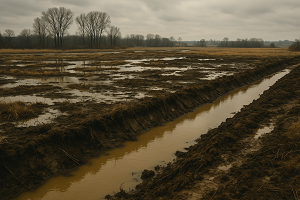
 Wetland Destruction topic monitored and covered by: Prepper Watch – Water
Introduction
Wetlands are among the most vital ecosystems on Earth. They play a critical role in the environment by acting as natural water filters and providing flood control. Wetlands, which include marshes, swamps, bogs, and fens, are rich in biodiversity and provide invaluable services to both the natural world and human populations. They naturally filter pollutants, improve water quality, and regulate water flow, absorbing excess water during periods of flooding and releasing it slowly during dry spells.
However, wetlands are increasingly under threat due to urbanization, industrial agriculture, and climate change. The destruction of wetlands can have profound impacts on local water systems, causing reduced water quality, increased flood risks, and the loss of biodiversity. As a prepper, it’s essential to understand these threats and develop strategies to mitigate their effects on water availability and safety.
In this blog, we will explore the significance of wetlands, the risks associated with their destruction, and the steps preppers can take to protect their water resources from these threats.
The Role of Wetlands in Water Management
Wetlands serve several functions that make them indispensable for water management and environmental health:
- Natural Filtration: Wetlands act as filters for water, trapping sediments, nutrients, and pollutants. They help remove excess nitrogen and phosphorus from runoff, improving water quality and reducing eutrophication in lakes and rivers.
- Flood Control: Wetlands act as natural sponges, absorbing and storing excess water during heavy rainfall or snowmelt. This reduces the severity of floods downstream by slowing the release of water into rivers and streams.
- Groundwater Recharge: Wetlands contribute to groundwater replenishment by allowing water to seep slowly into aquifers. This is especially important in areas that rely on groundwater for drinking and irrigation.
- Biodiversity Support: Wetlands provide habitat for a wide range of wildlife, including migratory birds, amphibians, fish, and invertebrates. These ecosystems are essential for maintaining biodiversity and supporting food chains.
- Carbon Sequestration: Wetlands are also important for climate regulation. They capture and store large amounts of carbon, helping mitigate the impacts of climate change.
Understanding these functions highlights the crucial role wetlands play in maintaining water quality, reducing flood risks, and supporting overall ecosystem health.
Causes of Wetland Destruction
Wetlands around the world are rapidly disappearing due to various human activities. Some of the primary causes of wetland destruction include:
- Urbanization: As cities and towns expand, wetlands are often drained to make way for construction, roads, and infrastructure projects. This development reduces the natural capacity of wetlands to filter water and regulate floodwaters.
- Agricultural Expansion: The conversion of wetlands into agricultural land is another significant driver of wetland loss. Intensive farming practices, such as drainage for crop irrigation and the use of fertilizers and pesticides, degrade wetland ecosystems.
- Climate Change: Rising temperatures, changing precipitation patterns, and sea-level rise due to climate change pose direct threats to wetlands. Coastal wetlands, in particular, are highly vulnerable to flooding, erosion, and saltwater intrusion.
- Pollution: Industrial waste, agricultural runoff, and sewage can contaminate wetlands, disrupting their ability to filter water. Additionally, the accumulation of pollutants can cause long-term damage to wetland habitats.
- Dams and Infrastructure Projects: Large-scale infrastructure projects, such as dam construction and canalization of rivers, can alter the natural flow of water, leading to the drying up of wetlands and the disruption of their ecological balance.
The loss of wetlands due to these factors has serious consequences for water systems, flood control, and the environment. As preppers, it’s essential to understand the risks posed by wetland destruction and how to prepare for these challenges.
The Impacts of Wetland Destruction on Water Resources
The destruction of wetlands can lead to a variety of issues related to water management, including:
- Increased Flooding: Without wetlands to absorb excess water, floodwaters are more likely to overflow into urban and agricultural areas. Wetland destruction exacerbates the frequency and severity of floods, putting communities and infrastructure at risk.
- Decreased Water Quality: Wetlands naturally filter water by trapping sediments, nutrients, and pollutants. When wetlands are destroyed, water quality can suffer, as contaminants are not removed as effectively. This can lead to an increase in waterborne diseases and make water unsafe for consumption.
- Diminished Groundwater Recharge: Wetlands help replenish groundwater supplies by allowing water to seep slowly into the ground. When wetlands are lost, this recharge process is disrupted, which can lead to reduced groundwater levels, affecting both drinking water sources and irrigation systems.
- Loss of Biodiversity: Wetlands are home to a diverse range of species, many of which rely on these habitats for survival. Wetland destruction leads to a loss of biodiversity, reducing the availability of natural resources such as fish, plants, and other wildlife that preppers may rely on for food and medicine.
- Increased Water Stress: Wetland destruction contributes to a broader water scarcity issue by reducing the natural regulation of water supplies. This can result in higher competition for available water resources, especially in areas that are already experiencing water stress.
For preppers, these impacts can have significant consequences for long-term survival. It’s critical to understand these risks and develop strategies for mitigating the effects of wetland destruction.
Preparing for Water Threats from Wetland Destruction
As preppers, there are several strategies we can use to prepare for the potential loss of wetland ecosystems and the water challenges that may follow. Below are practical steps to help mitigate the effects of wetland destruction:
Building Resilience in Water Systems
- Rainwater Harvesting: One of the most effective ways to prepare for water shortages caused by wetland destruction is by implementing rainwater harvesting systems. Collecting and storing rainwater can provide an emergency water supply for drinking, irrigation, and sanitation.
- Water Filtration Systems: As wetlands play a crucial role in filtering water, preppers should invest in high-quality water filtration systems to ensure that collected rainwater, surface water, or groundwater is safe for consumption. Systems like reverse osmosis, UV sterilizers, and activated carbon filters can remove contaminants effectively.
- Water Conservation: Reducing water consumption is another essential preparation strategy. Implementing water-saving practices such as low-flow fixtures, greywater recycling, and efficient irrigation systems can help extend available water resources.
Flood Control and Mitigation
- Flood-Resistant Infrastructure: In areas where wetland destruction increases the risk of flooding, preppers should invest in flood-resistant infrastructure. This may include elevating homes, installing sump pumps, and building barriers to protect against floodwaters.
- Natural Flood Barriers: While wetlands provide natural flood control, preppers can also create artificial flood barriers by planting vegetation that mimics wetland plants. For example, trees, shrubs, and grasses can slow water flow and reduce erosion.
- Flood Forecasting and Monitoring: Preppers should stay informed about weather patterns and flood risks in their area. Installing flood monitoring systems or subscribing to flood alerts can provide early warnings and help with evacuation planning.
Securing Alternative Water Sources
- Groundwater Wells: In areas where wetlands provide groundwater recharge, it’s crucial to secure alternative water sources, such as drilling wells. Having a well on your property can provide access to clean water if surface water becomes contaminated or scarce.
- Water Storage: Maintaining large reserves of potable water is essential for prepping. This includes storing bottled water, as well as using larger containers such as water barrels and cisterns. Water storage ensures that you have access to clean water during emergencies when local water sources are compromised.
- Desalination Systems: In coastal regions where wetland destruction exacerbates water scarcity, desalination systems can be a valuable tool. These systems remove salt and other impurities from seawater, making it safe for drinking and irrigation.
Advocacy and Restoration Efforts
- Support Wetland Restoration Projects: As a prepper, it’s essential to support and advocate for the protection and restoration of wetlands. Many non-profit organizations and government programs focus on wetland conservation. By contributing to or volunteering for these efforts, preppers can help ensure the longevity of these vital ecosystems.
- Educating the Community: Raising awareness about the importance of wetlands can help protect these resources. Preppers should educate their communities about the benefits of wetlands and encourage local conservation efforts.
- Advocating for Policy Change: Engaging in local and national policy discussions can help create stronger regulations that protect wetlands from destruction. Preppers can support policies that limit urbanization, reduce industrial pollution, and promote sustainable land use practices.
Conclusion: The Importance of Wetland Protection in Prepping
The destruction of wetlands poses a significant threat to water resources, flood control, and environmental health. As preppers, it is essential to recognize the importance of these ecosystems and take proactive steps to mitigate their loss. By building resilient water systems, securing alternative water sources, advocating for wetland restoration, and preparing for flooding risks, preppers can ensure their long-term survival in a world increasingly affected by environmental degradation.
Ultimately, the survival of wetlands is not just a matter of ecological concern but one that impacts our ability to manage water resources effectively. By embracing sustainable practices and supporting wetland conservation, preppers can better prepare for the challenges that lie ahead and contribute to the protection of these vital ecosystems for future generations.