
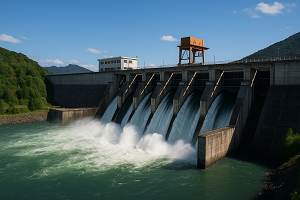
 Hydropower Dams topic monitored and covered by: Prepper Watch – Water
Introduction
Hydropower dams are essential components of modern infrastructure, providing a significant portion of the world’s electricity and managing water resources for irrigation, drinking, and flood control. However, the construction and operation of large-scale hydropower dams can pose significant water threats, particularly for preppers. The alteration of natural water flow, environmental degradation, and potential for catastrophic failure all represent serious challenges that preppers must anticipate and prepare for.
In this blog, we will explore how a prepper can prepare for water threats caused by hydropower dams. These include the impact of altered water flow, ecosystem damage, dam failures, and the subsequent risks posed to water availability, quality, and security. By understanding these threats, preppers can take practical steps to safeguard their water supplies and maintain their self-sufficiency in the face of these challenges.
Understanding Hydropower Dams and Their Risks
Hydropower dams operate by storing water in large reservoirs and releasing it through turbines to generate electricity. These dams can be classified into two categories:
- Storage Dams: These dams store large amounts of water to regulate the flow in rivers and generate power consistently.
- Run-of-River Dams: These dams do not store significant amounts of water but divert river water through turbines to produce energy, often resulting in less disruption to the river’s natural flow.
While hydropower provides clean energy, it alters the natural hydrology of the surrounding ecosystems. Dams can change river flow patterns, flood natural habitats, and disrupt aquatic life. In extreme cases, poorly maintained dams or natural disasters can cause catastrophic failures, leading to devastating floods downstream.
For preppers, understanding the risks associated with hydropower dams is crucial to protecting their water supply, agricultural viability, and long-term survival.
Altered Water Flow and Its Impacts
Hydropower dams can significantly alter the natural flow of rivers and streams. This alteration can affect water availability, water quality, and even the local climate in certain cases. Here are some key impacts of altered water flow:
- Water Availability: In regions where water flow is crucial for agriculture or drinking, dam-controlled water can be diverted or released in irregular amounts. Preppers living downstream from large dams must plan for periods of low flow, as the water they depend on may not be available during dry seasons or during periods when dam operators choose to release excess water.
- Water Quality: The regulation of water flow can contribute to stagnation in reservoirs, leading to reduced water quality. This stagnation can cause a build-up of pollutants and contaminants, which are then released downstream. These contaminants may affect drinking water supplies, agricultural irrigation, and natural ecosystems.
- Ecosystem Damage: When water flow is altered, ecosystems downstream from the dam are affected. Fish migrations are disrupted, and natural flooding cycles that nourish wetlands and floodplains are prevented. Preppers must understand that these environmental changes may not only affect water quality but also food sources that are critical for survival, such as fish and wild plants.
- Sediment Disruption: Many rivers naturally carry sediment that nourishes downstream ecosystems, especially fertile agricultural land. Dams trap sediment in reservoirs, preventing it from replenishing riverbanks and floodplains. This can result in poor soil conditions downstream, impacting farming and foraging opportunities for preppers.
Dam Failure: A Catastrophic Water Threat
A catastrophic dam failure is one of the most significant threats a prepper could face if they live near a large hydropower dam. While modern dams are designed to handle extreme conditions, aging infrastructure, poor maintenance, or external factors like earthquakes and floods can lead to structural failure. The impacts of a dam failure are wide-ranging:
- Immediate Flooding: A dam failure can result in massive flooding downstream, wiping out infrastructure, homes, and agriculture. The speed and volume of the water released can be devastating, creating a survival crisis in affected areas.
- Water Contamination: If a dam fails and floods, the water released can carry with it debris, chemicals, and industrial pollutants. These contaminants can make water sources unsafe to drink or use for irrigation, compounding the survival challenges posed by the event.
- Loss of Water Supply: In some cases, a dam failure may permanently disrupt a region’s water supply. For preppers who rely on a river for drinking water, irrigation, or energy, this failure can lead to significant hardship, particularly if alternative sources of water are not readily available.
Preppers must understand the potential for dam failure and develop a plan to mitigate the risks associated with it. This includes staying informed about the condition of local dams, emergency protocols, and the geographical area at risk.
Strategic Relocation to Avoid Hydropower Risks
One of the most effective ways a prepper can prepare for the risks posed by hydropower dams is to choose their location carefully. Relocating to an area that is not in the floodplain of a large dam or hydropower project can significantly reduce the risk of catastrophic flooding. When assessing the safety of a location, preppers should consider the following factors:
- Distance from Large Dams: Understanding the locations of large hydropower dams and their reservoirs is critical. Preppers should avoid living in low-lying areas that are downstream from dams that may fail. These locations are especially at risk in the event of a dam breach or significant water release.
- Topography: Living in higher altitudes can reduce the risk of flooding from dam failures. The higher the elevation, the less likely it is that a dam breach will result in catastrophic flooding.
- Alternative Water Sources: Relocating to an area with natural springs, wells, or other freshwater sources can help preppers avoid the risks associated with hydropower dams. A self-sufficient water supply is key to surviving a water crisis.
- Geopolitical Factors: Large-scale hydropower projects are often subject to political instability and policy changes. For example, disputes over water rights can lead to tensions between neighboring regions or countries. Preppers should consider potential geopolitical risks associated with living near hydropower projects.
Water Conservation and Storage Strategies
In regions where hydropower dams are a primary source of water, preppers should implement water conservation and storage strategies to reduce their dependence on potentially unreliable water sources. Here are a few key strategies:
- Rainwater Harvesting: Collecting rainwater is an essential method for preppers to supplement their water supply. Installing rainwater catchment systems can provide a reliable and sustainable source of water during periods of low flow or contamination from hydropower projects.
- Water Filtration: Given the potential for contamination of water sources from altered flows or dam failures, preppers should invest in high-quality water filtration systems. These systems should be able to remove pollutants, including chemicals, heavy metals, and biological contaminants.
- Water Storage: Having an emergency water supply stored in food-grade containers is critical. Preppers should stockpile enough water to cover several months of use, especially in areas where water supply is threatened by dam-related disruptions.
- Greywater Recycling: Reusing water from showers, sinks, and washing machines (greywater) for irrigation and other non-potable uses can reduce the amount of fresh water needed, helping to preserve stored resources.
Preparedness for Ecosystem Damage and Loss of Food Sources
When hydropower dams alter water flow and disrupt local ecosystems, the impacts can extend beyond water to food security. Preppers should take steps to mitigate these risks by preparing for the potential loss of vital food sources, such as fish and plants.
- Aquaponics and Aquaculture: Preppers can set up small-scale aquaponics or aquaculture systems to raise fish and grow plants using limited water supplies. This method reduces reliance on wild fish populations, which may be negatively impacted by altered river ecosystems.
- Diversifying Food Sources: In regions affected by hydropower dams, diversifying food sources by growing a variety of crops, including drought-resistant species, can help mitigate the risk of crop failures due to disrupted irrigation systems.
- Wild Foraging: If hydropower dams damage the local ecosystem, it may be difficult for preppers to rely on natural foraging. Preppers should be familiar with a wide range of edible plants and mushrooms and learn to recognize resilient species that thrive even in altered environments.
Community Collaboration and Local Preparedness
Finally, preppers should consider joining or forming a local prepper community to increase their chances of surviving hydropower-related disruptions. In areas near large hydropower projects, communities can work together to share resources, knowledge, and strategies for preparing for dam-related water threats.
- Community Water Systems: Collaborating with neighbors to establish communal water storage systems or filtration systems can help ensure that everyone has access to safe, reliable water in the event of a dam failure or reduced flow.
- Emergency Plans: Local preparedness plans should include protocols for dam failure, such as evacuation routes, safe locations, and coordination with emergency services.
- Sharing Resources: In a prepper community, sharing resources like water purification systems, backup power generators, and filtration systems can make it easier for everyone to cope with disruptions to the water supply.
Conclusion: Building Resilience in the Face of Hydropower Threats
Hydropower dams offer many benefits, but they also present significant risks, especially for preppers who depend on stable and clean water sources. By understanding the risks of altered water flow, ecosystem damage, and dam failures, preppers can take proactive steps to safeguard their water supply, secure their food sources, and build resilience against these threats. From strategic relocation and water conservation to forming local prepper communities, there are multiple strategies that can help mitigate the impacts of hydropower-related water threats. Being well-prepared ensures that you can navigate these challenges and maintain your self-sufficiency in the face of uncertainty.