
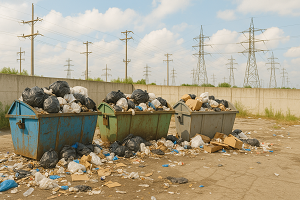
 Waste Management Failures is a topic monitored and covered by: Prepper Watch – Infrastructure
Introduction
Waste management failures are an often overlooked but crucial aspect of prepping. When normal systems of waste processing break down, whether due to a natural disaster, infrastructure collapse, or societal unrest, the consequences can be severe. Inadequate garbage and sewage processing can lead to a public health crisis, creating an environment ripe for disease outbreaks, contamination, and social instability. For preppers, understanding the risks and preparing for waste management failures is critical in maintaining health and sanitation during a crisis.
This blog will explore how preppers can prepare for waste management failures by outlining key preparedness strategies for managing both solid waste and sewage in a disaster or collapse scenario. From self-sufficiency techniques to community-based solutions, this guide will provide actionable steps that can be implemented long before disaster strikes.
Understanding the Risks of Waste Management Failures
Before diving into the solutions, it’s essential to understand the potential risks and impacts of waste management failures. Waste management systems are vital for maintaining public health, and their failure can lead to:
- Health Hazards: Improper disposal of sewage and garbage leads to contamination of water supplies, food sources, and the environment. Pathogens in untreated waste, such as bacteria and viruses, can cause diseases like cholera, dysentery, and typhoid.
- Environmental Damage: Accumulation of garbage and untreated sewage can create long-lasting environmental damage. Plastic waste, toxic chemicals, and untreated sewage can pollute local ecosystems, rivers, and lakes, making it difficult for communities to sustain themselves.
- Social Unrest: The breakdown of waste management services can erode social order. As sanitation deteriorates, the general public may become more frustrated and desperate, leading to conflicts over resources and waste disposal areas.
- Food Security Issues: Contaminated water and food supply chains may collapse, leading to long-term hunger and malnutrition, as public health and food production are directly affected by waste management failures.
For preppers, understanding these risks is the first step in mitigating potential threats from waste management failures.
The Importance of Waste Management Preparedness
In a disaster scenario, especially during prolonged periods without waste management services, a prepper’s ability to properly dispose of waste is vital. Without proper waste management, disease outbreaks are much more likely, and the living environment will quickly become unsanitary and uninhabitable. Here’s why it’s essential for preppers to have a solid waste management plan in place:
- Sanitation: Maintaining basic sanitation is crucial for preventing the spread of disease. Without waste management, communities become breeding grounds for harmful microorganisms.
- Preserving Water Supplies: Inadequate waste management can lead to contamination of fresh water sources. Protecting water from contamination becomes a top priority when garbage and sewage are not processed properly.
- Comfort and Morale: The psychological toll of poor hygiene and unsanitary conditions cannot be overstated. The inability to maintain cleanliness can negatively affect morale, potentially leading to chaos or societal breakdown.
Solid Waste Management Strategies for Preppers
One of the most pressing concerns when waste management fails is how to manage the large volume of solid waste (garbage) that accumulates. Preppers need to be prepared with effective systems for managing waste to prevent the accumulation of refuse that can lead to health risks.
a) Composting
Composting is one of the most sustainable and eco-friendly ways to handle organic waste in a grid-down scenario. Composting not only reduces waste but also provides nutrient-rich soil for gardening. Some key points to consider:
- What to Compost: Organic waste such as food scraps, garden trimmings, and paper products can be composted. Be sure to avoid composting meat, dairy, and oily substances as they can attract pests.
- Building a Compost Bin: Preppers can build a compost bin using wood pallets, wire mesh, or repurposed containers. The bin should be located away from living spaces and away from water sources to avoid contamination.
- Composting Toilets: For human waste, composting toilets can be a highly effective solution. These systems separate liquids from solids and promote aerobic decomposition, turning waste into safe, usable compost.
b) Waste Disposal and Storage
For non-organic waste, such as packaging, plastics, and metals, preppers must have a plan for storage and disposal:
- Storage: Designate a secure, odor-proof area for storing garbage until it can be dealt with. This area should be elevated to prevent rodent or insect infestations. Storing waste in sealed bags or containers will help mitigate odors and reduce the risk of contamination.
- Burning: In some cases, burning waste in a controlled fire pit or incinerator can be a viable solution for reducing waste. However, this method should be used cautiously to avoid air pollution and fire hazards.
c) Recycling and Reusing
Recycling and reusing materials is essential when waste management systems fail. Preppers can create systems for sorting and reusing waste:
- Glass and Metal: Glass and metal containers can be cleaned and reused for storage. They can also be repurposed for creating other tools or items around the homestead.
- Plastic: Plastics can be repurposed for building structures, storage, or even creating makeshift furniture or tools.
Sewage Management in a Prepper Scenario
Managing human waste is one of the most critical aspects of waste management. In the absence of functioning sewage systems, preppers need effective methods for safely handling human waste to prevent contamination and disease outbreaks.
a) Portable Toilets and Latrines
- Portable Toilets: Preppers should consider investing in portable toilets, which can be used when traditional plumbing is unavailable. There are several types available, from basic bucket toilets to more advanced chemical toilets.
- Latrines: For long-term preparedness, digging a latrine is a practical solution. A latrine should be located at least 200 feet from water sources and away from living areas. Preppers should also have a method for covering the waste to reduce odor and contamination risks.
b) Waste Disposal Bags
Another solution for managing human waste is the use of waste disposal bags, commonly known as “wag bags.” These bags are designed to safely contain waste and can be disposed of in trash or composting systems. While not ideal for long-term use, they are an essential tool for short-term emergencies.
c) DIY Sewage Systems
For preppers with a larger property or off-grid setup, constructing a DIY sewage system may be the most viable long-term solution. A septic tank system or bio-digester can be used to process human waste safely. These systems break down organic waste through anaerobic bacteria, turning it into a safe byproduct.
Water Treatment and Contamination Prevention
One of the most significant risks associated with waste management failures is water contamination. Without proper sewage treatment, human waste can easily pollute local water supplies, leading to outbreaks of waterborne diseases.
a) Filtration and Purification
Preppers should have water filtration and purification systems in place to ensure access to clean water:
- Filters: Gravity-fed water filters and pump-based systems are ideal for removing contaminants from water.
- Boiling: Boiling water for at least one minute can kill most pathogens and ensure it is safe for consumption.
- Solar Water Distillers: Solar-powered distillers can be used to purify water by evaporating and re-condensing water, leaving contaminants behind.
b) Wastewater Treatment Systems
Preppers who live off-grid or on rural property can build their own small-scale wastewater treatment systems. These systems typically include a septic tank, drainage fields, and filtration methods to ensure that waste does not contaminate groundwater or local water sources.
Emergency Medical Preparedness for Waste-Related Illnesses
Failure in waste management systems can lead to a significant increase in illness due to exposure to bacteria, viruses, and parasites in untreated waste. To prevent health issues, preppers must be prepared with medical supplies and strategies:
a) Stockpiling Medical Supplies
Ensure that you have essential medical supplies on hand, such as antibiotics, disinfectants, wound care products, and first-aid kits. Over-the-counter medications for treating waterborne diseases, like diarrhea or dehydration, should also be included in your medical kit.
b) Proper Hygiene and Sanitation Practices
Encourage everyone in your prepping group to maintain proper hygiene. Washing hands frequently with soap and water, using alcohol-based sanitizers, and ensuring that water is filtered and purified are crucial for avoiding illness.
Community Solutions for Waste Management Failures
In larger prepping communities or when living in close proximity to others, it’s essential to have a collective approach to waste management:
- Waste Sharing: Preppers can share waste management resources, such as composting toilets or large-scale compost bins.
- Designated Waste Areas: Communities can designate specific areas for waste disposal to keep the living areas sanitary.
- Waste Collection and Rotations: Assigning roles for regular waste collection and rotating tasks can ensure that waste doesn’t accumulate in one area.
Psychological and Social Considerations
The psychological toll of living in unsanitary conditions cannot be underestimated. Filth, odors, and disease can take a heavy toll on morale. Preppers should take steps to mitigate these effects:
- Routine and Order: Establishing routines for waste management helps maintain a sense of order and normalcy.
- Group Support: Ensuring everyone understands their roles in waste management will foster a sense of community and shared responsibility.
Final Thoughts: Long-Term Strategies
While short-term waste management can be tackled with portable solutions like toilets, bags, and compost bins, the long-term goal is self-sufficiency. Preppers should strive to build systems that can handle waste effectively for extended periods, ensuring that sanitation issues do not compromise their survival.
Waste management failures represent a significant threat to health, security, and community stability in a disaster scenario. For preppers, preparing for this challenge requires a multi-faceted approach, including proper storage, treatment, and disposal of both solid waste and sewage.
By investing in composting systems, portable toilets, water purification methods, and long-term sewage treatment solutions, preppers can safeguard their health and preserve the environment during a crisis. Waste management is a key component of prepping that should not be overlooked, as its failure can undermine all other preparedness efforts.