
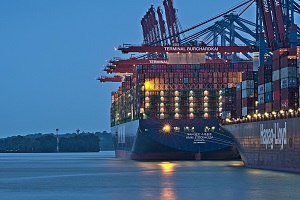
 Trade Wars or Sanctions is a news and information topic monitored and covered by: Prepper Watch – Geopolitical
Introduction
Trade wars and sanctions have become increasingly important in the modern global economy. Economic restrictions imposed between nations can have far-reaching consequences for trade, production, and supply chains. When nations impose tariffs, sanctions, or other barriers to trade, it can lead to inflation, food shortages, supply chain breakdowns, and disruptions in vital goods and services. Preppers, who anticipate potential disruptions in societal systems, understand the critical need to prepare for these eventualities. In this blog, we will explore how preppers can prepare for trade wars or sanctions, including practical strategies for ensuring food security, maintaining energy independence, securing critical supplies, and strengthening community resilience.
Understanding Trade Wars and Sanctions
Before delving into how preppers can prepare, it’s essential to understand what trade wars and sanctions are and how they can impact daily life.
- Trade Wars: A trade war occurs when countries impose tariffs or other trade restrictions on each other. This often results from disputes over trade imbalances, unfair trade practices, or political tensions. In a trade war, nations retaliate against each other by increasing tariffs or implementing restrictions on imports or exports, which disrupts the flow of goods across borders.
- Sanctions: Economic sanctions are penalties or restrictions imposed by one country (or group of countries) on another, often for political reasons. These sanctions can target specific industries, individuals, or governments. Sanctions can limit the ability of nations to trade or access financial markets, creating economic hardship and leading to supply shortages.
Both trade wars and sanctions can disrupt supply chains, increase the cost of goods, and cause inflation, making them critical factors for preppers to consider.
Food Security Preparation
A trade war or sanctions can significantly impact food availability. If tariffs are imposed on agricultural products, it could make imported food more expensive or reduce the availability of essential items.
Stockpile Essential Food Items
One of the best ways a prepper can prepare for food shortages is by creating a well-stocked pantry with long-lasting foods. Consider storing:
- Canned Goods: Vegetables, fruits, beans, and meats that can last for years without refrigeration.
- Dry Goods: Rice, pasta, flour, beans, and oats that are versatile and can be used in various recipes.
- Freeze-Dried Foods: Ideal for long-term storage, freeze-dried meals are nutrient-dense and lightweight, making them perfect for prepping.
- MREs (Meals Ready to Eat): These are specially designed to provide a full meal in a compact form and are often used by the military for emergency situations.
Grow Your Own Food
If you’re preparing for a long-term disruption in the food supply, growing your own food is a key strategy. Setting up a garden or even a greenhouse will ensure a continuous supply of fresh produce, reducing dependence on external sources. For colder climates, consider building a root cellar to store vegetables like potatoes, carrots, and onions through the winter.
Preserve Surplus Food
If you’re part of a community with other like-minded preppers, working together to grow and preserve food is a practical way to ensure long-term food security. Consider preserving food by:
- Canning: Pressure canning and water bath canning are methods to store vegetables, fruits, and meats for long periods.
- Dehydrating: Use a dehydrator to preserve fruits, vegetables, and meats for storage.
- Fermentation: Sauerkraut, kimchi, and other fermented foods can be preserved without refrigeration.
Build Relationships with Local Farmers
Develop relationships with local farmers to ensure access to locally grown produce in case international trade disruptions occur. Bartering may become an essential tool, and local sources of food will likely be the most reliable when global supply chains falter.
Energy Independence
Trade wars and sanctions can severely affect the energy sector. Countries that depend on foreign energy imports may see price increases, fuel shortages, or restrictions in supply. As such, energy independence should be a priority for any prepper.
Invest in Renewable Energy Sources
Having an off-grid power system in place is a significant advantage during energy disruptions. Some renewable energy options to consider include:
- Solar Panels: Install solar panels on your roof or property. Solar power can meet many of your household energy needs and reduce reliance on external sources.
- Wind Turbines: In areas with consistent wind, small wind turbines can provide additional power.
- Micro-Hydro Power: If you have access to a stream or river, a micro-hydro system can generate continuous electricity.
Backup Generators
For backup power, preppers should invest in portable generators. Gasoline and propane-powered generators can be used to power essential appliances, but ensure you have adequate fuel storage. Additionally, having a dual fuel generator (which can run on both gasoline and propane) provides greater flexibility during fuel shortages.
Energy Efficiency
Improving energy efficiency in your home will ensure that you use less power, which is especially important during shortages. Simple changes like upgrading insulation, using LED lights, and utilizing energy-efficient appliances can help reduce consumption.
Water Security
Sanctions or trade wars can disrupt the availability of clean water, either by affecting the water infrastructure or by causing price increases in water delivery services.
Secure Water Storage
Preppers should have a long-term water storage plan in place. Water barrels or tanks can store large quantities of water for emergencies. Aim to store at least one gallon of water per person per day for drinking, cooking, and sanitation needs.
Water Filtration and Purification Systems
Investing in a reliable water filtration and purification system ensures that you can purify water from alternative sources, such as rivers, lakes, or rainwater. Some options include:
- Berkey Water Filters: Popular among preppers for their ability to filter out a wide range of contaminants.
- Reverse Osmosis Systems: These systems remove most impurities from water and provide high-quality drinking water.
- Portable Water Filters: Smaller, portable systems like LifeStraw can be handy for short-term emergencies.
Rainwater Harvesting
Setting up a rainwater harvesting system is a practical way to collect water during periods of rainfall. This water can be filtered for drinking or used for other purposes like irrigation or cleaning.
Financial Security
Trade wars and sanctions can have a direct impact on the economy, causing inflation and currency devaluation. Protecting your finances is a key element of prepping.
Precious Metals
One of the best ways to safeguard wealth is by investing in precious metals like gold and silver. These assets have historically been safe havens during periods of economic instability. Preppers should consider purchasing precious metals in physical form (coins, bars) and storing them securely.
Diversify Investments
Diversifying investments across various asset classes such as stocks, bonds, and real estate can help mitigate risk. Consider holding some cash in different currencies, especially if you anticipate hyperinflation or currency devaluation.
Barter and Alternative Currencies
Bartering will likely become more common if traditional money systems fail. As a prepper, you should have items that can be used for barter, such as:
- Alcohol, tobacco, and luxury goods: These items often retain value in crisis situations.
- Skills: Offer services like carpentry, plumbing, or medical expertise in exchange for goods.
- Local or digital currencies: Be aware of emerging digital currencies that may become valuable in a post-crisis economy.
Security and Defense
Trade wars and sanctions can escalate tensions between nations and increase the likelihood of civil unrest. In the event of economic collapse or political instability, having a strong security plan is essential.
Strengthen Home Security
To protect your family and your stockpiled goods, consider reinforcing your home security:
- Alarm systems: Install motion sensors, doorbell cameras, and security cameras to monitor for intruders.
- Fortify entry points: Reinforce doors and windows with solid locks and deadbolts.
- Safe Room: Designate a room in your house to act as a safe space in case of an emergency.
Arm Yourself
For personal defense, owning firearms or other weapons can be a key component of your security plan. Preppers should be familiar with local laws regarding firearms and self-defense.
Form Community Defense Networks
Building strong relationships with like-minded preppers is essential for collective defense. Forming a mutual assistance group (MAG) or a community defense network can increase your chances of survival during periods of social instability.
Supply Chain Diversification
Trade wars and sanctions directly affect the global supply chain. Disruptions to essential goods like medicine, fuel, and consumer products can occur. To minimize reliance on external sources, preppers must have a diversified approach.
Create a Local Supply Network
Establish connections with local producers, craftsmen, and suppliers to secure goods that may become scarce during trade disruptions. Relying on local sources reduces dependency on global supply chains, which could falter in times of crisis.
Maintain Multiple Sources for Critical Goods
Don’t rely on just one supplier for vital resources. For instance, stockpile alternative medicines, water filtration systems, and cooking fuel from various sources, ensuring that you’re not at the mercy of a single vendor or trade route.
Invest in Manufacturing Equipment
If you’re up for the challenge, investing in equipment to produce your own goods—such as a home forge for metalworking or sewing machines for fabric—can allow you to produce essential items without relying on global trade.
Conclusion
Trade wars and sanctions can have profound implications on global stability, supply chains, and the availability of essential goods. Preppers must take a proactive approach to protect themselves and their families from the cascading effects of economic restrictions. By preparing for food shortages, energy disruptions, financial instability, and security challenges, preppers can increase their chances of survival during times of geopolitical turmoil. Preparedness in the form of stockpiling, self-sufficiency, diversification, and community cooperation will ensure that preppers are well-equipped to face the uncertainties brought about by trade wars and sanctions.