
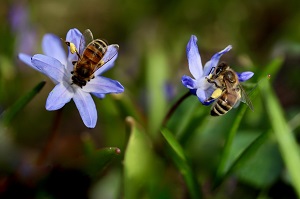
 Biodiversity Loss is a news and information topic monitored and covered by: Prepper Watch – Environment
Introduction
In recent decades, biodiversity loss has become a pressing global issue. The decline of plant and animal species disrupts ecosystems, which, in turn, affects food systems, disease regulation, and the overall health of the environment. As preppers, understanding and preparing for the consequences of biodiversity loss is essential to maintaining self-sufficiency and long-term survival. This post explores how a prepper can prepare for this threat by addressing the interconnected nature of ecosystems and providing strategies to ensure sustainability in the face of declining biodiversity.
What is Biodiversity Loss?
Biodiversity refers to the variety of life forms on Earth, including plants, animals, microorganisms, and ecosystems. Biodiversity loss occurs when species of plants and animals go extinct or are severely reduced in number, leading to changes in the structure and function of ecosystems. This has far-reaching consequences on food production, climate regulation, disease control, and overall ecological balance.
Human activities, such as deforestation, urbanization, industrial farming, pollution, and climate change, are the primary drivers of biodiversity loss. These activities cause habitat destruction, overexploitation of natural resources, and increased greenhouse gas emissions, all of which threaten ecosystems and their services.
Why Biodiversity Loss Matters for Preppers
Biodiversity loss threatens several key areas relevant to preppers:
- Food Security: A wide variety of plant and animal species provide the essential food sources necessary for human survival. The loss of pollinators, for example, could severely affect crop yields, while the loss of key animals in the food chain could disrupt hunting and fishing opportunities.
- Disease Regulation: Biodiversity plays a critical role in controlling the spread of diseases. A decline in biodiversity could lead to an increase in disease outbreaks, as pathogens that are controlled by natural predators could proliferate unchecked.
- Ecosystem Services: Ecosystems provide vital services such as clean air, water, and fertile soil. The loss of biodiversity can impair these services, making it more difficult to maintain sustainable living practices.
- Resilience to Environmental Stressors: Healthy ecosystems are more resilient to environmental stressors, such as droughts or floods. Loss of biodiversity can make ecosystems more fragile, leading to more frequent and severe disruptions.
Preparing for Biodiversity Loss: A Holistic Approach
Diversifying Food Sources
One of the most critical aspects of preparing for biodiversity loss is ensuring food security. A prepper should aim to diversify their food sources as much as possible. This includes growing a variety of crops, raising different types of livestock, and cultivating wild edibles. By doing so, you reduce your dependence on a narrow range of species, mitigating the risks posed by the decline of any single food source.
- Permaculture: Permaculture is a sustainable farming practice that emphasizes biodiversity by mimicking natural ecosystems. Preppers can use permaculture principles to design resilient food systems that include a wide range of plants, animals, and fungi. By working with nature, rather than against it, permaculture helps create systems that are self-sustaining and capable of thriving in the face of biodiversity loss.
- Seed Saving and Heirloom Varieties: Saving seeds from heirloom varieties of plants ensures that you have access to genetically diverse crops that are adapted to local growing conditions. These plants are often more resilient to pests, diseases, and changing climate conditions, making them crucial for long-term food security.
- Foraging: Learning to identify and harvest wild edible plants is another key strategy. Foraging increases your access to a wider variety of food sources, especially when commercial crops become less reliable due to biodiversity loss.
Developing a Livestock Strategy
Raising livestock provides a reliable source of protein, dairy, and other essential nutrients. However, as biodiversity declines, certain animals may become more difficult to raise due to changes in the ecosystem, disease pressures, and availability of feed. A prepper should develop a diverse livestock strategy to mitigate these risks.
- Diversify Livestock: Consider raising different species of animals, such as chickens, goats, cows, rabbits, and pigs. This diversification ensures that you are not overly dependent on any one species and can adapt to changes in the ecosystem.
- Adaptation to Changing Conditions: As biodiversity loss impacts the availability of natural forage, preppers may need to supplement their animals’ diets with alternative feed sources. Researching the potential of alternative feed crops (such as algae, insects, or waste byproducts) and investing in feed preservation methods (like fermentation) can help maintain healthy livestock populations during times of food scarcity.
- Breeding and Genetics: By selectively breeding your livestock for traits such as disease resistance and climate adaptability, you can create animals that are better suited to surviving in a changing environment. Maintaining a genetic diversity pool within your herd is essential for resilience.
Sustainable Water and Soil Management
Water and soil are essential to maintaining healthy ecosystems and growing food. As biodiversity declines, water and soil resources may become more stressed, leading to reduced agricultural productivity.
- Water Conservation and Management: Preppers should invest in rainwater harvesting systems, water filtration systems, and water storage to ensure a consistent and reliable water supply. Techniques such as drip irrigation and greywater reuse can help maximize water efficiency in times of scarcity.
- Soil Health: Biodiversity loss can lead to soil degradation and reduced fertility. Preppers can use techniques like composting, mulching, crop rotation, and cover cropping to maintain soil health and fertility. Implementing no-till farming practices can also help preserve the soil’s structure and promote the growth of beneficial microorganisms.
Pest and Disease Management
With the loss of certain species that play a role in controlling pests and diseases, preppers may need to become more proactive in managing these threats.
- Integrated Pest Management (IPM): IPM combines biological, cultural, and mechanical pest control methods to minimize the use of chemicals. Preppers can introduce natural predators, such as ladybugs or predatory insects, to control pest populations.
- Disease Prevention and Control: Preppers should focus on maintaining healthy ecosystems by promoting biodiversity in their gardens, raising disease-resistant livestock, and ensuring sanitation practices. Additionally, learning about herbal remedies and natural treatments for plant and animal diseases can reduce reliance on synthetic chemicals, which may become scarce in the future.
Building and Maintaining Strong Communities
Biodiversity loss will likely affect entire regions, leading to economic disruptions and potentially forcing people to relocate. Building strong, self-sufficient communities that can adapt to these changes is a critical aspect of preparing for biodiversity loss.
- Community Gardens and Local Food Systems: Preppers should work to establish community gardens, seed exchanges, and local food networks that promote resilience and self-sufficiency. Sharing resources and knowledge about sustainable farming practices can help communities thrive even as biodiversity declines.
- Cooperative Efforts: Mutual aid groups and local networks can provide a strong safety net in times of crisis. By pooling resources, skills, and labor, communities can better withstand the challenges posed by biodiversity loss.
Monitoring and Adapting to Changes in Local Ecosystems
As biodiversity loss accelerates, it is important to stay informed about changes in local ecosystems. By monitoring shifts in wildlife populations, plant diversity, and environmental conditions, preppers can anticipate and adapt to emerging risks.
- Citizen Science: Preppers can participate in or create local citizen science projects to monitor the health of ecosystems, track plant and animal species, and gather data on environmental changes. This information can be invaluable for adjusting preparedness plans and ensuring long-term sustainability.
- Environmental Stewardship: Actively participating in environmental conservation efforts, such as reforestation, habitat restoration, and invasive species control, can help mitigate the impact of biodiversity loss and preserve the local environment.
Conclusion: Preparing for the Future of Biodiversity Loss
Biodiversity loss is a complex issue with widespread consequences for food security, disease control, and ecosystem resilience. Preppers must take a proactive, multifaceted approach to preparing for this challenge by diversifying food sources, building resilient water and soil systems, managing pests and diseases, fostering community cooperation, and staying informed about local environmental changes.
By focusing on sustainability, self-sufficiency, and adaptability, preppers can better navigate the uncertainties of a world facing the decline of key plant and animal species. In doing so, they ensure not only their own survival but also contribute to the broader effort of preserving ecosystems for future generations.
Action Steps for Preppers:
- Begin diversifying your food sources by growing heirloom plants, raising different types of livestock, and learning about foraging.
- Invest in water management systems and soil health techniques to ensure long-term sustainability.
- Practice integrated pest management and disease control methods that reduce reliance on synthetic chemicals.
- Build strong local communities and networks that can provide mutual support in times of crisis.
- Monitor local ecosystems and actively participate in environmental stewardship efforts.
With thoughtful planning and preparation, preppers can navigate the challenges posed by biodiversity loss and emerge more resilient in the face of this growing threat.