
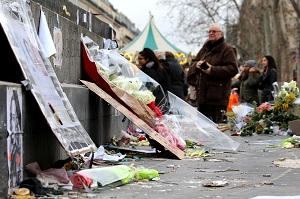
 Terrorism is a news and information topic monitored and covered by: Prepper Watch – Geopolitical
Introduction
In an increasingly volatile world, terrorism—whether domestic or international—presents a unique and complex threat. The intent behind terrorism is often to create fear, destabilize governments, disrupt economies, and provoke social unrest. As such, preppers, who focus on preparing for various emergency scenarios, must consider terrorism as a potential risk to their safety and livelihood. Terrorist attacks can target critical infrastructure, government institutions, and civilians, disrupting daily life and challenging preparedness strategies.
This blog will explore how preppers can prepare for terrorism, focusing on proactive measures, practical preparedness strategies, and long-term resilience in the face of such a threat. The preparedness framework includes physical security, psychological resilience, logistical planning, and community-based approaches to surviving and thriving in a world where terrorism could become a recurring threat.
Understanding the Threat of Terrorism
Defining Terrorism
Terrorism refers to the use of violence or the threat of violence to create fear and achieve political, ideological, or religious objectives. It typically involves the targeting of civilians or critical infrastructure and can manifest in various forms:
- Domestic Terrorism: Carried out by groups or individuals within a country’s borders, often motivated by political or social grievances. Domestic terrorism can be more difficult to detect, as perpetrators may blend in with the general population.
- International Terrorism: Perpetrated by transnational organizations, such as ISIS or al-Qaeda, often targeting foreign governments, civilians, or infrastructure. International terrorism may involve sophisticated attacks coordinated across borders, utilizing various resources and methods.
Types of Terrorist Attacks
- Bombings and Explosions: One of the most common forms of terrorism, targeting transportation hubs, public spaces, and government buildings.
- Cyberattacks: Hacking critical infrastructure, such as power grids, water systems, or financial networks, with the goal of causing widespread chaos and crippling economies.
- Biological and Chemical Attacks: The use of deadly agents to spread disease or cause physical harm, often targeting urban centers or transportation systems.
- Mass Shootings and Armed Assaults: Direct attacks on civilian populations in crowded areas such as schools, malls, and public events.
- Kidnappings and Hostage Situations: To extract ransom, gather intelligence, or make political demands, terrorism can also involve taking individuals hostage.
- Hijacking and Airborne Attacks: Though less frequent, hijackings and airborne terrorism, such as drone attacks, have the potential to disrupt airports, government buildings, and more.
Preparing for Terrorism at the Individual Level
Personal Security Measures
- Situational Awareness: Understanding your environment and recognizing unusual behavior or suspicious activities is key to avoiding potential terrorist threats. Preppers should develop the habit of scanning their surroundings and avoiding high-risk areas (e.g., airports, political events, crowded public spaces).
- Self-Defense Training: Knowing how to protect yourself in case of an armed assault is crucial. Preppers should consider training in self-defense techniques, hand-to-hand combat, or firearm safety and proficiency.
- Emergency Medical Training: In the event of a terrorist attack, immediate medical intervention can save lives. Preppers should learn first aid, CPR, and trauma care to address injuries caused by explosions, shootings, or other attacks.
- Bug-Out Plans: Having an escape route and an emergency plan for evacuating your home or urban area is vital. Preppers should identify multiple routes and ensure their family members are familiar with them.
- Security Systems: Installing security measures such as surveillance cameras, motion detectors, and alarms in your home can deter attackers or give you time to react. Consider home fortification strategies, including reinforced doors and windows.
Building a Terrorism-Focused Emergency Kit
Essential Gear
- Communication Devices: In the aftermath of a terrorist attack, communication networks may be overloaded or shut down. Preppers should have alternative communication methods, such as satellite phones, two-way radios, or ham radios, to stay connected with family, friends, and other community members.
- Water Filtration and Storage: Disruptions to water infrastructure can be a consequence of terrorist attacks, especially when critical systems are targeted. Preppers should have a water filtration system and a backup supply of clean water that will last at least 72 hours.
- First Aid Supplies: A well-stocked medical kit is essential, especially for treating injuries caused by explosions, gunshots, or chemical agents. Include bandages, tourniquets, antiseptics, pain relievers, and antibiotics, as well as more advanced items such as a trauma dressing and splints.
- Food and Nutritional Supplies: Stockpiling emergency food that is non-perishable and easy to prepare is essential. Focus on high-calorie, nutrient-dense foods like freeze-dried meals, canned goods, and energy bars that can sustain you and your family for several days or even weeks.
- Protective Clothing and Gear: Depending on the nature of the attack, protective gear like gas masks, chemical suits, and gloves might be necessary. Having an emergency kit containing such items can help protect you from biological, chemical, or radiological threats.
- Firearm and Ammunition: In certain circumstances, preppers may need to defend themselves against terrorists or armed criminals. If legally allowed, having a firearm for self-defense could be part of a comprehensive security strategy.
Psychological Preparedness for Terrorism
Coping with Fear and Stress
Terrorist attacks often aim to create widespread fear and panic. Psychological preparedness is a critical component of prepping, as mental resilience can determine how well you cope in the aftermath of an attack. Here are a few strategies:
- Mental Conditioning: Practicing mindfulness, meditation, and stress-relief techniques can help prepare you mentally for the chaos of a terrorist event. Having mental clarity during an attack will help you stay calm, make decisions quickly, and avoid panic.
- Family and Community Support: Being part of a close-knit family or community group can help alleviate fear. Knowing that you have support and can rely on each other builds confidence and resilience.
- Building Mental Toughness: Preparing yourself to handle trauma and loss in a terrorist attack requires mental toughness. Developing a strong sense of purpose, faith, or mission can give you the emotional strength to survive, recover, and rebuild after such an event.
Preparing for Terrorism at the Family Level
Creating a Family Emergency Plan
- Communication Plan: Establishing a communication plan with your family members is crucial, especially if cell networks go down. Preppers should have a predetermined meeting spot and know how to reach each other, even if traditional methods of communication are unavailable.
- Family Evacuation Routes: Plan escape routes from your home, neighborhood, and city. Make sure each family member knows the plan and understands where to go in case of an emergency. Include routes to multiple safe locations in case one route is compromised.
- Home Defense Strategy: Work with your family to develop a home defense strategy in case an attack occurs near your residence. This could include identifying safe rooms, reinforcing doors and windows, and setting up emergency escape routes.
Community-Based Approaches to Terrorism Preparedness
Building Resilient Communities
- Neighborhood Watch Programs: Establish or participate in local neighborhood watch programs to monitor and report suspicious activity. Working together with neighbors increases the community’s ability to detect and respond to potential threats.
- Mutual Assistance Groups (MAGs): These groups are vital for survival during and after terrorist attacks. MAGs can provide physical security, medical assistance, food, and shelter to each other in times of crisis.
- Cooperative Living: Communities that practice cooperative living, where resources are shared and there is a strong focus on mutual support, are better positioned to withstand the economic and social shocks that follow a terrorist attack.
- Training and Drills: Prepping communities should engage in regular training and drills to prepare for a wide range of potential terrorist scenarios. These drills can include active shooter simulations, evacuation practices, and medical emergency response exercises.
Preparing for Terrorism’s Impact on Infrastructure
Securing Critical Infrastructure
Terrorist attacks often target vital infrastructure, such as power grids, transportation systems, and communication networks. Preppers must be proactive in ensuring their home or community is less reliant on these vulnerable systems:
- Alternative Energy Sources: Having a backup power supply through solar panels, backup generators, or other renewable sources can help mitigate the effects of power grid failures. Solar-powered lights, radios, and medical equipment can be essential in maintaining some level of functioning.
- Water Supply Security: As mentioned earlier, water systems can be disrupted during terrorist attacks. Preppers should establish independent water sources, such as wells, and invest in portable filtration systems to ensure access to clean water.
- Food Security: Local and global supply chains may be affected by terrorism, leading to food shortages. A robust food storage plan is necessary, along with gardening or local food production, to ensure long-term sustainability.
Post-Attack Recovery and Resilience
Rebuilding and Recovering
- Long-Term Resource Management: After a terrorist attack, resources like food, water, and medical supplies may be scarce. Preppers need to know how to manage these resources effectively to stretch them over the long term.
- Community Reintegration: After an attack, the focus should shift toward community rebuilding. Preppers should have plans in place for reestablishing local governance, restoring trade, and supporting the psychological recovery of the affected population.
- Financial Resilience: Economic instability following a terrorist attack can lead to inflation, job loss, and reduced access to goods. Preppers should diversify their financial holdings, invest in precious metals, and consider alternative currencies like cryptocurrencies or barter systems.
Conclusion
Terrorism—whether domestic or international—is a complex threat that requires careful preparation and ongoing vigilance. Preppers must take a multi-faceted approach to their preparedness, integrating physical security measures, mental resilience strategies, emergency kits, and community-based solutions. By remaining aware of the threat landscape, developing detailed plans, and building strong networks, preppers can significantly increase their chances of surviving and thriving in the face of terrorism.