
 Resource Conflicts topic monitored and covered by: Prepper Watch – Geopolitical
Introduction
Resource conflicts, whether over water, oil, minerals, or other vital commodities, have been a persistent part of human history. As the global population grows and access to essential resources becomes more limited, competition for these resources is likely to intensify. Nations or groups fighting over access to these critical resources can lead to economic crises, political instability, and mass displacement of populations.
In this blog, we will explore how preppers can anticipate and prepare for resource conflicts, with a particular focus on essential resources like water, oil, and minerals. By understanding the dynamics of resource conflicts and taking proactive steps, preppers can better safeguard their livelihoods, ensure their survival, and remain resilient in the face of potential disruptions.
The Rise of Resource Conflicts
Global Resource Scarcity
In the 21st century, resource scarcity is becoming an increasingly significant challenge. Water shortages, in particular, are expected to affect millions of people worldwide. According to the United Nations, nearly 1.2 billion people live in areas of physical water scarcity, while another 1.6 billion people face economic water scarcity.
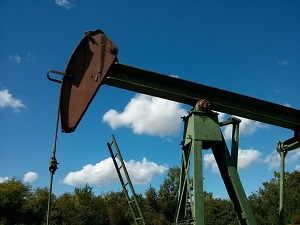
Oil, once abundant and cheap, is becoming scarcer and more difficult to extract. The geopolitical tensions surrounding oil-producing regions, such as the Middle East and parts of Africa, are often a source of conflict. The push for cleaner energy sources, like solar and wind, does little to alleviate the geopolitical pressures associated with oil and gas.
Similarly, the growing demand for minerals like lithium, cobalt, and rare earth elements, essential for modern technology such as smartphones and electric vehicles, is putting additional pressure on global supply chains. These minerals are often located in politically unstable regions, making them a potential flashpoint for conflict.
Types of Resource Conflicts
Resource conflicts can take various forms, from local disputes over water rights to full-blown wars over oil fields or mining rights. The most common types of resource conflicts include:
- Water Conflicts: Water is essential for life, and its availability is often limited in arid regions. Disputes over water rights, river access, and groundwater depletion can lead to significant tensions, especially in areas where water resources cross international borders.
- Oil Conflicts: Oil remains one of the most strategic resources in the world. As oil becomes scarcer, the competition for control over oil reserves, pipelines, and refining infrastructure intensifies. Resource-rich countries with large oil reserves often experience political instability and even internal conflicts.
- Mineral Conflicts: As the demand for critical minerals like lithium, cobalt, and rare earth elements rises, resource-rich countries are becoming more attractive targets for exploitation. These minerals are essential for green technologies, and as nations race to secure these resources, conflicts are likely to escalate.
Impact of Resource Conflicts
Resource conflicts can have far-reaching impacts, including:
- Economic Disruption: A resource conflict can disrupt global supply chains, leading to price hikes, shortages, and inflation. Industries that rely on these resources, such as agriculture, manufacturing, and technology, can be severely affected.
- Mass Displacement: Resource conflicts often lead to the displacement of large populations, either through forced migration or the destruction of infrastructure. Refugees fleeing war-torn regions can place a strain on neighboring countries, exacerbating existing social and economic issues.
- Political Instability: Resource-rich regions are often plagued by weak governance, corruption, and the exploitation of natural resources by powerful elites. This can lead to instability, especially in countries that are already struggling with poverty and political repression.
How Preppers Can Prepare for Resource Conflicts
- Securing Water Resources
Water is the most essential resource for survival, and it is also one of the most vulnerable in times of crisis. Preppers can take several steps to secure their access to clean water and ensure they are self-sufficient in the event of a water conflict.
- Stockpiling Water: Begin by storing large quantities of water. A general rule of thumb is to store one gallon of water per person per day for at least two weeks, but having a longer-term supply is ideal. Consider storing water in containers such as water barrels, tanks, or sealed plastic bottles.
- Water Filtration: Invest in high-quality water filters and purification systems, such as reverse osmosis units, UV purifiers, or portable filtration devices. These tools will allow you to purify contaminated water sources like rivers, lakes, or rainwater.
- Rainwater Harvesting: Set up a rainwater collection system to capture and store rainwater. A well-designed rainwater harvesting system can provide a sustainable water source for drinking, cooking, and irrigation.
- Water Conservation: Learn and practice water-saving techniques, such as low-flow plumbing, composting toilets, and reusing water for multiple purposes. Water conservation will become critical during water scarcity events.
- Preparing for Oil Shortages and Energy Crises
Oil shortages can cripple entire economies, especially in nations dependent on oil imports. The effects of an oil crisis include skyrocketing fuel prices, energy shortages, and disruptions in transportation and agriculture. Preppers can take the following steps to minimize their reliance on oil and prepare for potential energy crises:
- Alternative Energy Systems: Invest in solar panels, wind turbines, or other renewable energy systems to reduce dependence on fossil fuels. Setting up off-grid power systems can provide energy security in the event of widespread power outages or fuel shortages.
- Stockpiling Fuel: While renewable energy sources are ideal, stockpiling fuel such as gasoline, diesel, and propane can provide a buffer during short-term shortages. Ensure that your fuel storage system is secure and meets safety standards.
- Electric Vehicles (EVs): As the demand for oil increases, the cost of conventional fuel may rise dramatically. Consider transitioning to electric vehicles (EVs) that rely on electricity rather than gasoline. Having a backup power supply will allow you to charge your EV even during grid failures.
- Fuel-Efficient Transportation: In preparation for fuel shortages, consider transitioning to more fuel-efficient modes of transportation, such as bicycles, electric scooters, or even horses.
- Mineral Independence and Security
As the demand for critical minerals grows, particularly in the tech and renewable energy sectors, conflicts over access to these resources are likely to escalate. Preppers can take several actions to prepare for mineral supply disruptions:
- Investing in Precious Metals: Stockpiling precious metals such as gold and silver can be a hedge against economic collapse and currency devaluation during resource conflicts. These metals are universally accepted as stores of value and can be used for trade if conventional currencies lose their value.
- Sustainable Technology: One way to reduce reliance on rare earth minerals is to invest in sustainable, low-tech solutions. For example, using mechanical or hand-powered tools instead of electric ones can decrease dependency on minerals used in electronics and batteries.
- Diversifying Supply Chains: For those who rely on electronics, consider diversifying your supply chain to reduce the risk of shortages. Look for suppliers that source minerals from stable, politically neutral regions or those with a reliable track record for ethical and sustainable mining practices.
- Learning New Skills: Many of the technologies that rely on rare earth elements, such as smartphones and computers, are useful but not essential for survival. Preppers should focus on developing skills that do not require advanced technology, such as woodworking, metalworking, and farming.
- Building Strong Community Networks
In times of resource conflict, cooperation and mutual aid become essential. No prepper can survive in isolation, especially if they are cut off from essential resources. Building strong community networks is a crucial aspect of preparedness:
- Mutual Assistance Groups (MAGs): Form or join a mutual assistance group with like-minded individuals in your area. MAGs can provide a network of support for sharing resources, skills, and knowledge during resource shortages or conflict.
- Community Defense: In areas prone to conflict, having a well-organized community defense strategy can be vital. This could include a combination of physical security measures, such as fortified shelters, and social security measures, such as providing essential resources to protect against looting or criminal activity.
- Skill Sharing: In a resource conflict, specialized skills will be highly valued. If you possess valuable skills, such as first aid, construction, or farming, consider sharing them with others in your community. This will not only increase your chances of survival but also build strong bonds within your network.
- Mental and Physical Preparedness
While having supplies and resources is essential, the mental and physical preparedness to handle the stresses of a resource conflict is equally important. Preppers must be ready for the uncertainty and adversity that comes with prolonged conflict or resource scarcity:
- Training and Drills: Regularly practice drills for various resource shortage scenarios. This can include practicing water purification techniques, organizing transportation for fuel shortages, or performing emergency medical procedures.
- Mental Resilience: Build mental resilience by learning to cope with stress, uncertainty, and deprivation. Meditation, mindfulness, and physical exercise can help improve mental toughness and prepare for difficult times.
- Physical Fitness: Physical health is an asset when resources become scarce. Staying fit will ensure that you can handle physically demanding tasks, such as gathering firewood, growing food, or defending your property.
Conclusion: Proactive Preparedness for Resource Conflicts
Resource conflicts are a growing threat in an increasingly unstable world. As the competition for essential resources like water, oil, and minerals intensifies, preppers must be proactive in their preparation. By securing water supplies, reducing reliance on oil, investing in alternative energy, and preparing for mineral shortages, preppers can enhance their self-sufficiency and resilience in the face of resource scarcity.