
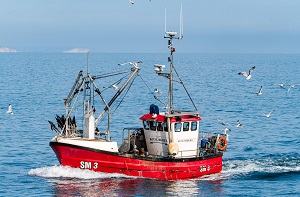
 Overfishing is a news and information topic monitored and covered by: Prepper Watch – Environment
Introduction: The Global Impact of Overfishing
Overfishing is one of the most pressing environmental and economic challenges of the 21st century. As fish populations around the world are depleted at unsustainable rates, the consequences extend far beyond the oceans. The impact of overfishing disrupts marine ecosystems, threatens food security, and places pressure on coastal economies reliant on the fishing industry. For preppers, this presents a unique challenge: how to adapt, plan, and prepare for a future in which fish and other marine resources may no longer be as abundant as they once were. This blog will explore how preppers can anticipate and mitigate the risks associated with overfishing through a combination of sustainable practices, alternative food sources, and strategic resource management.
Understanding Overfishing and Its Consequences
Overfishing occurs when fish are caught at a faster rate than they can reproduce. This leads to the depletion of marine populations, destabilizing ecosystems that depend on a delicate balance. The economic consequences are felt across industries, from commercial fishing to tourism. Moreover, overfishing disrupts food chains, affecting not only the targeted fish species but also the predators that rely on them for sustenance.
The consequences of overfishing are multifaceted:
- Depleted fish populations: As fish populations decline, they become harder to find, leading to increased prices and reduced availability of fish in the market.
- Environmental damage: Destructive fishing methods, such as bottom trawling, destroy fragile marine ecosystems and habitats.
- Economic strain: Coastal communities and industries that rely on fishing face financial instability as their livelihoods are threatened.
- Global food insecurity: Fish is a primary source of protein for millions of people. Its depletion exacerbates food insecurity, especially in regions where it serves as a dietary staple.
Preppers must begin to think about how to adapt to a world where overfishing has taken a significant toll on marine resources.
Sustainable Fishing Practices
One of the most effective ways for preppers to prepare for overfishing is by supporting or engaging in sustainable fishing practices. While the global fishing industry is primarily responsible for overfishing, small-scale, sustainable fishing can still make a significant impact.
Key strategies for sustainable fishing include:
- Regulated fishing: Participating in local, regulated fishing areas where there are strict limits on how much and what types of fish can be caught ensures that populations are not overexploited.
- Selective fishing gear: Using nets and lines designed to catch specific types of fish rather than indiscriminate methods like trawling helps reduce bycatch and preserve biodiversity.
- Catch and release practices: For preppers who fish recreationally, catch and release is an important practice that allows fish to return to the wild to continue breeding and contributing to population replenishment.
- Fishing during the right season: Understanding the breeding cycles of fish species and fishing only when it is sustainable helps prevent the depletion of populations during critical reproductive periods.
By adopting sustainable practices, preppers can help ensure the long-term viability of fish populations in their region.
Stockpiling Alternative Food Sources
As overfishing continues to impact global fish stocks, it’s important for preppers to stockpile alternative food sources. Diversifying your food supply ensures that you will not be overly reliant on fish or other marine resources, which may become more difficult to obtain in the future.
Consider these alternative protein sources for your stockpile:
- Canned meats: Stock up on canned meats such as chicken, turkey, beef, and pork. These provide a good source of protein without the environmental concerns associated with overfishing.
- Plant-based proteins: Beans, lentils, and other legumes are excellent sources of plant-based protein. They can be grown in a garden or purchased in bulk and stored long-term.
- Freeze-dried meals: Preppers can stockpile freeze-dried meals that contain protein from a variety of sources, including beef, chicken, and vegetarian options.
- Insects and small livestock: Insects like crickets and mealworms are an alternative source of protein that is both sustainable and easy to farm. Raising small livestock like chickens, rabbits, or goats can provide a steady source of meat and eggs.
- Foraging for wild food: Foraging in the wild for plants, nuts, and small game can help preppers reduce their reliance on store-bought protein and diversify their food sources.
By diversifying your food storage to include a mix of non-marine proteins, you reduce your vulnerability to the depletion of fish stocks.
Aquaculture and Sustainable Seafood Farming
For preppers living near coastal areas, aquaculture (fish farming) can provide an alternative source of protein without contributing to overfishing. However, not all aquaculture is created equal, and it’s important to prioritize sustainable farming practices.
Here’s what to consider when planning for aquaculture:
- Closed-loop systems: These aquaculture systems recirculate water, reducing the need for freshwater and minimizing environmental damage.
- Sustainable feed: Choose aquaculture operations that use responsibly sourced feed rather than wild-caught fish, which can contribute to the depletion of marine populations.
- Polyculture farming: This method involves raising different species of fish together in a system that mimics natural ecosystems, improving sustainability and minimizing environmental impact.
- Off-the-grid fish farming: If you’re self-sufficient and have the resources, consider setting up a small fish farm or aquaponics system to raise fish like tilapia or catfish. Aquaponics combines fish farming with hydroponic plant growing, creating a mutually beneficial system.
By incorporating aquaculture into your prepper plans, you can ensure a steady supply of seafood without contributing to overfishing.
Investing in Fishing Technologies and Gear
For preppers who live near water and want to continue fishing in a sustainable way, investing in fishing gear and technologies that promote efficiency and sustainability is essential.
Consider these tools for sustainable fishing:
- Fish finders: These devices use sonar to help locate fish, reducing the time spent searching and ensuring you don’t overfish an area.
- Selective fishing nets: Modern nets can be designed to catch only certain sizes and species of fish, reducing bycatch and preserving other marine life.
- Hook and line fishing: This traditional method is far less damaging to marine ecosystems than more modern techniques like trawling. It’s an excellent method for sustainable fishing, especially for individual preppers.
Incorporating sustainable fishing technologies can reduce your impact on marine ecosystems and help conserve fish populations.
Emergency Water Sources and Fishing Alternatives
If overfishing leads to a significant decline in fish stocks, having access to alternative water-based protein sources will be crucial. In addition to aquaculture, preppers should consider other methods for acquiring protein from the water.
- Rainwater harvesting: Ensuring access to clean water via rainwater harvesting systems allows for fish farming or aquaponics without depleting freshwater sources.
- Collecting aquatic plants: Aquatic plants like seaweed and algae can serve as important food sources, particularly in coastal areas where they thrive in abundance. Seaweed, for example, is high in vitamins and minerals and can be harvested sustainably.
Creating systems for accessing and using water efficiently will be key for survival when traditional fishing methods are no longer reliable.
Advocating for Environmental Policies
While preppers focus on self-sufficiency, it’s also important to support policies and initiatives that promote environmental sustainability. Overfishing is a global issue that requires collective action.
Preppers can advocate for:
- Marine protected areas (MPAs): These areas restrict fishing in certain regions to allow fish populations to recover and flourish.
- Sustainable seafood certification: Support businesses that offer sustainably sourced seafood through certification programs like the Marine Stewardship Council (MSC).
- Eco-friendly fishing technology: Encourage the development of technologies that minimize the environmental impact of fishing practices.
By actively supporting environmental policies that address overfishing, preppers can help ensure the long-term sustainability of marine ecosystems.
Planning for a Post-Overfishing World
As the global demand for fish continues to rise, it is essential for preppers to consider the implications of a post-overfishing world. This could include the collapse of major fish species, changes in marine ecosystems, and the potential for social and economic upheaval in coastal regions.
Preppers should plan for scenarios where traditional seafood is no longer an option, focusing on self-sufficiency, alternative protein sources, and sustainable living. The key to thriving in a world affected by overfishing lies in adaptability—finding new ways to secure food, water, and shelter while maintaining a low environmental impact.
Conclusion: Adapting to the Future
Overfishing is an urgent issue that requires preppers to adapt their strategies for food procurement and resource management. Through sustainable fishing practices, diversifying food sources, investing in aquaculture, and supporting environmental policies, preppers can reduce their reliance on overfished oceans. By planning for a future where marine resources may be severely limited, preppers can ensure that they are prepared for the challenges of overfishing and its consequences.