
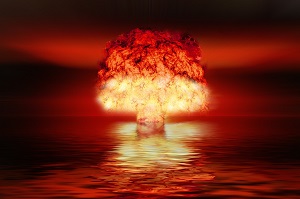
 Nuclear Proliferation is a news and information topic monitored and covered by: Prepper Watch – Geopolitical
Introduction
The modern geopolitical landscape is characterized by uncertainty and increasing risks, one of the most alarming being nuclear proliferation. The spread of nuclear weapons across nations introduces a host of dangers, ranging from the potential for devastating warfare to long-term environmental and health crises resulting from radiation exposure. As a prepper, it’s crucial to plan for the possibility of nuclear conflict, which may result from the escalation of geopolitical tensions or deliberate acts of aggression. This blog will explore how preppers can mitigate the risks of nuclear proliferation, safeguard their communities, and prepare for both the immediate and long-term effects of nuclear conflict.
Understanding Nuclear Proliferation
Before diving into preparations, it’s essential to understand what nuclear proliferation is and why it poses such a significant threat. Nuclear proliferation refers to the spread of nuclear weapons and technology to countries that do not currently possess them. Historically, the nuclear arms race involved major powers such as the United States, the Soviet Union, and China. However, today, more nations, including North Korea, Iran, and India, have developed or are seeking to develop nuclear capabilities.
The consequences of nuclear proliferation are far-reaching, from increasing the likelihood of nuclear warfare to introducing the threat of nuclear terrorism. With more nations or groups gaining access to such weapons, the potential for miscalculation, regional conflicts, or global wars escalates, making it all the more urgent for preppers to take the appropriate steps to safeguard themselves.
Understanding the Immediate Risks of Nuclear War
A nuclear attack, whether from a state actor or a rogue group, would have immediate and catastrophic consequences. These include:
- Immediate blast effects: The intense heat and pressure from a nuclear explosion would cause widespread destruction. Buildings would be reduced to rubble, and anyone within a certain radius of the explosion would be killed instantly.
- Radiation exposure: The release of ionizing radiation would have both immediate and long-lasting effects, leading to severe radiation sickness for anyone who survives the initial blast. This can cause skin burns, internal organ damage, and, ultimately, death.
- Electromagnetic pulse (EMP): A high-altitude nuclear detonation could trigger an EMP, which would disrupt or destroy electronic equipment over a vast area, including power grids, communication systems, and transportation infrastructure.
Preparing for the Immediate Aftermath
When preparing for nuclear proliferation, a prepper’s primary goal is to survive the immediate aftermath of an attack. The following steps can help mitigate the dangers in the first hours and days following an explosion:
Creating a Nuclear Survival Kit
A nuclear survival kit should include essentials for surviving in the event of a nuclear strike. These should be kept in a readily accessible location, such as a bug-out bag or emergency shelter. Key items to include are:
- Potable water: At least one gallon per person per day for drinking and sanitation.
- Non-perishable food: A supply of freeze-dried meals, energy bars, and canned goods that can last for several weeks or even months.
- First-aid kit: Stocked with antiseptics, gauze, bandages, and medications that may be needed to treat radiation exposure or injuries.
- Potassium iodide (KI): This medication helps to protect the thyroid from radioactive iodine, which may be released in a nuclear detonation.
- Radiation meter: A geiger counter or dosimeter to measure radiation levels in your environment.
Creating a Shelter
In the event of a nuclear attack, seeking immediate shelter is essential. This means:
- Underground shelters: Basements, bunkers, or underground shelters provide the best protection against both blast waves and radiation. Concrete or earth is effective at shielding radiation, so if possible, preppers should build a shelter with thick walls and a roof.
- Fallout shelters: These are designed specifically to protect against radiation fallout. Fallout shelters must be well-stocked and sealed tightly to prevent radioactive particles from entering. If building a fallout shelter is not an option, a prepper should aim for the best available shelter, such as a basement or a windowless interior room.
Knowing the Warning Signs
It’s crucial to recognize the signs of an impending nuclear attack. Warning systems may include:
- Civil defense alerts: Many countries have systems in place to warn citizens of a nuclear threat, such as sirens, radio broadcasts, or emergency notifications through mobile apps.
- Radar or satellite surveillance: Certain military systems can detect a nuclear missile launch, though they may not always provide sufficient time for warning.
Preparing for Long-Term Radiation Exposure
The long-term effects of radiation exposure will likely be the most challenging aspect of surviving a nuclear event. Preppers must take steps to protect themselves and their families from radiation fallout:
Fallout Shelters and Evacuation Plans
Even if you have access to a fallout shelter, it’s essential to know how to deal with the aftermath of radiation contamination. Key strategies include:
- Staying inside: Remain in your shelter for at least 24-48 hours, which will allow most radioactive particles to decay. The longer you can stay inside, the lower your exposure to radiation.
- Evacuating safely: Once it’s safe to leave, you must know the safest routes away from contaminated areas. Evacuation routes should be planned in advance, and you should know how to decontaminate yourself and your gear.
Decontamination Protocols
Radiation fallout will contaminate people and belongings. Preppers should be aware of the steps to decontaminate:
- Removing contaminated clothing: Take off all clothing that might have been exposed to fallout. Place it in a sealed bag and store it away from your shelter.
- Washing off fallout: Use soap and water to wash off as much of the radioactive dust as possible. Showering thoroughly is essential, but avoid using conditioner, as it can trap radioactive particles in your hair.
Radiation Monitoring
Monitor radiation levels using a geiger counter. Stay informed about local radiation levels and continue to shelter until radiation levels decrease to safe levels.
Building Self-Sufficiency for the Long-Term
Once the immediate threat of a nuclear conflict passes, the long-term effects of nuclear war, such as food scarcity, economic collapse, and environmental damage, will need to be addressed. Preppers must build self-sufficiency in all aspects of life, including:
Long-Term Food Security
Stockpiling and growing your own food will be crucial:
- Canning and preserving: In the aftermath of a nuclear conflict, supply chains will be disrupted. Canning and preserving food will allow you to have access to nutrition for months or years after the attack.
- Growing your own food: Building a self-sustaining garden that can provide fresh produce is an essential step in long-term survival. Choose hardy plants that can thrive even in difficult conditions, such as root vegetables, leafy greens, and legumes.
Water Purification
Access to clean water will be critical, and radiation contamination could pollute water sources. Preppers should have the following water purification methods in place:
- Water filters: Invest in high-quality water filters capable of removing radiation from water.
- Water storage: Stockpile enough water for several weeks to ensure you have a supply even if water sources are contaminated.
Energy Independence
In the event of widespread power grid failure due to an EMP or other reasons, prepping for energy independence is essential:
- Solar power systems: Solar panels and batteries can provide a renewable energy source for your home, allowing you to power essential devices.
- Backup generators: Gas-powered or diesel generators can provide temporary power, though they must be used with caution due to fuel availability issues.
Navigating Geopolitical Instability
A key aspect of preparing for nuclear proliferation involves understanding the geopolitical landscape. Nuclear weapons can destabilize entire regions, so preppers must stay informed about the risks posed by different nations and political tensions. This includes:
- Tracking international conflicts: Follow the geopolitical developments of countries with nuclear ambitions. This includes nations like North Korea, Iran, and others that could trigger nuclear escalation.
- Being ready to relocate: In extreme cases, the most prudent option might be relocating to safer regions or countries less likely to be involved in nuclear conflict.
Psychological Preparedness
Surviving a nuclear war is not just about having the right supplies; it’s also about preparing mentally. Long-term survival in the aftermath of such an event can be psychologically taxing. Preppers should:
- Develop mental resilience: Learn techniques for stress management, meditation, and maintaining hope during times of uncertainty.
- Create a support system: Community will be vital for long-term survival. Work to form networks of trusted individuals who can provide mutual aid and emotional support.
Conclusion
Nuclear proliferation presents one of the most daunting challenges for preppers today. The risk of nuclear conflict, the devastating effects of radiation, and the long-term environmental consequences are all part of the reality of living in an increasingly unstable world. By preparing for the immediate aftermath of a nuclear strike, building self-sufficiency, and staying informed about geopolitical developments, preppers can increase their chances of survival in a world where nuclear threats loom ever larger.
Ultimately, preparation is about creating a life that’s resilient to whatever the future holds. The more proactive we are in preparing for potential nuclear risks, the better equipped we will be to handle the uncertainties of a world shaped by nuclear proliferation.