
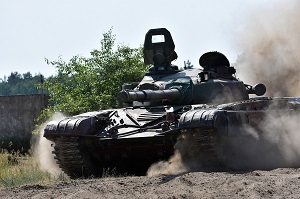
 Military Aggression or Expansion topic monitored and covered by: Prepper Watch – Geopolitical
Introduction
Military aggression and territorial expansion by aggressive nations pose significant risks to both individual survival and global stability. The invasion or occupation of territories often leads to widespread destruction, economic collapse, mass casualties, and forced migration. In an increasingly unstable world, with rising geopolitical tensions and unpredictable power struggles, prepping for such a scenario is a matter of utmost importance.
As preppers, the goal is to create a strategic plan that ensures personal safety, community security, and self-sufficiency. Whether the threat arises from regional insurgencies, foreign invasions, or the direct expansion of a nation’s borders through military means, this blog will explore the multifaceted approaches that preppers can adopt to mitigate risks associated with military aggression.
1 Understanding the Threat of Military Aggression
Military aggression can manifest in various forms, ranging from full-scale wars to covert operations or hybrid warfare strategies. The key aspects of this threat are:
- Invasions and Occupations: When a nation invades or occupies another, it often leads to the collapse of local governments, destruction of infrastructure, and the imposition of martial law.
- Proxy Conflicts: In some cases, nations may engage in indirect confrontations through proxies, destabilizing entire regions through local militias or guerrilla forces.
- Cyber Warfare: Modern military aggression often involves cyberattacks aimed at crippling a nation’s infrastructure, military systems, and economy.
- Nuclear Threats: The risk of nuclear escalation during military conflicts poses the ultimate danger to human life, especially in areas directly affected by the use of such weapons.
Preppers must consider all aspects of military aggression, from conventional armed conflict to more modern and unconventional tactics like cyber warfare.
1.1 Key Indicators of Aggression
Preppers need to be able to identify the signs of impending military aggression. Indicators include:
- Military Buildups: Increased military activity or presence near borders, with deployments of tanks, air forces, or naval fleets.
- Diplomatic Tensions: A breakdown in diplomatic negotiations, sanctions, or aggressive rhetoric.
- Economic Sanctions: Nations that face severe economic sanctions often experience internal instability and are more likely to lash out militarily.
- Cyberattacks: A surge in cyberattacks targeting critical infrastructure is often a precursor to physical military action.
By monitoring these signals, preppers can stay ahead of potential threats and take the necessary steps to safeguard their lives and resources.
2 Emergency Preparedness for Military Aggression
2.1 Physical Safety and Shelter
One of the first concerns for preppers during military aggression is ensuring that their families are safe from direct attacks. Depending on the scale of aggression, evacuation plans and fortified shelter options must be established.
2.1.1 Safe Havens and Bug-Out Locations
- Identify Multiple Escape Routes: Preppers should have multiple bug-out locations ready, ideally in rural or less populated areas where the chances of being caught in conflict zones are minimized.
- Underground Bunkers: For high-risk scenarios, constructing or acquiring an underground shelter can provide protection from bombings, chemical attacks, and radiation.
- Remote Hideaways: Remote cabins, off-grid properties, or places far from military targets offer refuge in times of conflict. It’s essential to stockpile necessities like food, water, and medicine to survive in isolation.
2.1.2 Fortification and Defense
In case of occupation or invasion, fortifying your home or property is critical. Some methods include:
- Securing Entry Points: Reinforce doors and windows with steel bars or shutters, and consider installing heavy-duty locks and alarms.
- Building Defensible Positions: Constructing high walls, establishing fields of view, and placing escape tunnels can add extra layers of protection in the event of a siege.
- Weaponry and Security Systems: Preppers should have defensive firearms, non-lethal weapons, and security cameras to monitor and protect their property.
2.2 Food, Water, and Medical Supplies
When military aggression strikes, supply chains are often disrupted. Stockpiling food, water, and medical supplies is crucial for surviving the initial stages of conflict when access to resources is limited.
2.2.1 Food Storage and Emergency Rations
- Long-Term Food Storage: Invest in freeze-dried meals, canned goods, and bulk staples like rice, beans, and pasta. These items are shelf-stable and provide essential nutrients.
- Gardening and Livestock: If possible, develop skills in organic gardening and livestock management to produce food locally. Raising chickens for eggs and having small animals for meat can reduce dependence on external supply chains.
2.2.2 Water Storage and Filtration
- Water Reserves: Ensure you have at least a three-month supply of water per person in your household. Consider water barrels, large containers, or even portable water filtration systems.
- Water Purification: In case your water supply becomes contaminated, it’s vital to have filters, purification tablets, or knowledge of natural filtration methods.
2.2.3 Medical Supplies and First Aid
- Stockpile Medications: If you or your family members rely on specific medications, stockpiling an adequate supply is essential. Additionally, familiarize yourself with alternative treatments.
- First Aid Kits: Having comprehensive first aid kits, including trauma supplies and antibiotics, is crucial for dealing with injuries and illnesses in conflict zones.
3 Psychological Preparedness for War
Military aggression can be mentally and emotionally taxing, especially when prolonged. Preppers need to prepare themselves and their families psychologically for the trauma and stress of conflict.
3.1 Mental Health Resilience
- Training in Stress Management: Meditation, mindfulness, and stress-relief techniques can help preppers stay calm during chaotic situations.
- Family Communication Plans: Establish clear communication strategies for when family members are separated or when traditional communication channels break down.
- Supporting Children and Vulnerable Family Members: Prepare emotionally for the psychological impact of war on children and elderly family members by discussing potential scenarios and ways to cope.
3.2 Tactical Training
Preppers should engage in tactical training to be prepared for the possibility of armed conflict. Skills to focus on include:
- Self-Defense Techniques: Training in unarmed combat and how to use personal protection equipment effectively.
- Situational Awareness: Developing the ability to recognize danger early and knowing how to respond to threats.
- Combat and Tactical Knowledge: Basic survival and combat training, such as using firearms, handling explosives, and understanding military tactics, can prove invaluable.
4 Preparing for Economic Collapse Due to Military Aggression
Military aggression often leads to economic collapse as production slows, trade routes are disrupted, and national currencies lose value.
4.1 Diversifying Assets
Preppers should invest in multiple asset types to protect their wealth during times of instability.
- Precious Metals: Gold and silver have long been viewed as safe-haven assets during periods of war and inflation.
- Alternative Currencies: In the event of hyperinflation or currency collapse, bartering and alternative currencies like Bitcoin can become viable solutions.
- Food as Currency: Stockpiled food can be used for bartering and trade if the economic system collapses.
4.2 Secure Livelihood
- Work from Home or Remote Opportunities: If military aggression disrupts urban areas, having a job or side business that can be done remotely ensures financial security.
- Alternative Energy: Implementing solar panels, wind turbines, or hydro systems to reduce dependency on external sources of power can help avoid disruptions caused by military strikes on power grids.
5 Strategic Relocation and Regional Alliances
In times of military aggression, relocating to a safer region may become a necessity. Preppers should explore options for strategic relocation and alliances with other like-minded individuals.
5.1 Relocation Plans
- Evaluate Safe Zones: Identify areas that are less likely to be impacted by military conflict. Rural areas with little strategic value are often more likely to remain untouched.
- Establish Local Alliances: Joining or forming survival groups and prepping communities in safer areas can provide mutual assistance in times of crisis.
5.2 Regional Networks
- Community Defense: By joining forces with others, preppers can create stronger defense strategies, share resources, and ensure their collective survival.
- Resource Sharing: Alliances can help preppers share knowledge, barter goods, and pool medical supplies, providing a buffer against the isolation caused by military conflict.
6 Long-Term Sustainability During War
Military aggression can disrupt global supply chains for an extended period. Preppers must plan for long-term self-sufficiency by developing skills that allow them to live independently without external support.
6.1 Renewable Energy
- Off-Grid Power Solutions: Investing in solar panels, wind turbines, or backup generators will ensure a continuous power supply even if the national grid is compromised.
- Energy Storage: Batteries and energy storage systems are essential for storing excess energy generated by renewable sources, enabling preppers to continue daily activities.
6.2 Agriculture and Food Independence
- Permaculture and Regenerative Farming: Learning how to create sustainable agricultural systems that improve soil health, conserve water, and produce high yields is critical during long-term conflict.
- Food Preservation: Canning, drying, and fermenting food are essential skills for storing food that will last through periods of scarcity.
6.3 Water Security
- Rainwater Harvesting: Setting up systems to collect and store rainwater will ensure a consistent water supply when municipal systems fail.
- Desalination and Water Filtration: In coastal areas, desalination methods can provide an emergency water supply, while filtration systems will ensure water is safe for consumption.
Conclusion
Military aggression and territorial expansion are real threats in today’s unstable geopolitical climate. Preppers must adopt a multifaceted approach to ensure their safety, security, and self-sufficiency during times of war. By focusing on shelter, food, water, medical supplies, and psychological resilience, preppers can effectively navigate the challenges posed by military aggression. Furthermore, developing long-term sustainability practices, such as renewable energy, agricultural independence, and financial diversification, will allow preppers to withstand the economic and logistical challenges that often accompany war.