
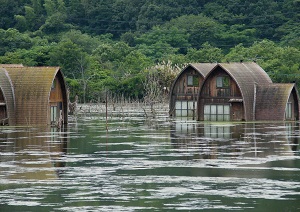
 Flooding and Water Management Failures is a topic monitored and covered by: Prepper Watch – Infrastructure
Introduction
Flooding is one of the most significant natural disasters that can disrupt infrastructure and cause massive damage to property, economies, and lives. When flooding occurs due to inadequate drainage systems, poor water management, or failures in flood control mechanisms, the consequences can be dire. For preppers, this represents a critical area of concern, requiring proactive planning, resourcefulness, and foresight to reduce vulnerability and ensure long-term survival during such events.
This blog will explore the various aspects of flooding and water management failures, providing in-depth guidance on how preppers can prepare effectively. Topics will include understanding the risks of flooding, practical strategies for preparing for such disasters, and essential resources needed to mitigate the impact of flooding and water management failures.
Understanding Flooding and Water Management Failures
Flooding occurs when water exceeds the natural or engineered capacity of an area, leading to the inundation of land that is usually dry. This can result from heavy rainfall, rapid snowmelt, the failure of infrastructure (like dams and levees), or inadequate drainage systems. Water management failures, such as poorly maintained canals, dams, or reservoirs, exacerbate these risks, as they are unable to control or channel water effectively.
Inadequate drainage can cause localized flooding in urban areas, damaging homes, roads, and critical infrastructure, while failures in flood control systems can lead to large-scale displacement and destruction of entire communities. Whether due to human error, aging infrastructure, or unforeseen natural events, the consequences of these failures can be catastrophic.
Assessing Flood Risks in Your Area
Before preparing for flooding, it’s important to understand the specific risks posed by your location. Preppers should take the time to assess potential flooding threats in their region. Here are key considerations:
- Flood Zones: Identify whether you live in a flood-prone area. Flood zone maps provided by governmental agencies (such as FEMA in the United States or local municipalities in Canada) are excellent resources for understanding the flood risk.
- Historical Flooding Patterns: Research past flooding events in your region. How frequently have floods occurred, and how severe were they? This information can help assess whether you’re in a high-risk area.
- Local Infrastructure Conditions: Research the state of local infrastructure, including drainage systems, levees, and dams. Aging or poorly maintained infrastructure can increase the likelihood of water management failures.
- Climate Trends: Climate change is increasing the frequency and severity of extreme weather events, including heavy rainfall and rapid snowmelt. Understanding how local weather patterns are changing can inform your preparation plans.
Building a Flood-Resilient Home
When preparing for flooding and water management failures, your home is your first line of defense. Making your home flood-resistant can significantly reduce property damage and provide a safer environment for your family.
- Elevation: If your home is in a flood-prone area, consider elevating it above the potential flood levels. This may include raising the foundation or installing flood barriers around the house.
- Waterproofing: Waterproofing the basement and lower levels of your home can prevent water infiltration. Applying waterproof coatings, installing sump pumps, and using flood gates for doors and windows can help reduce flood damage.
- Flood Barriers and Sandbags: If flooding is expected, temporary barriers like sandbags or inflatable flood barriers can be placed around your home’s perimeter to prevent water from entering.
- Sealing Gaps: Inspect and seal any gaps in your foundation, windows, and doors to minimize the potential entry of water. Ensure that pipes, vents, and electrical systems are well sealed.
- Roof and Gutters: Ensure that your roof is in good condition and that gutters and downspouts are clear of debris. Properly functioning gutters help redirect water away from the foundation, reducing the risk of flooding.
Creating a Water Management Plan
Water management is key when preparing for infrastructure failures related to flooding. Preppers should plan for both the floodwater itself and the subsequent water needs that will arise in the aftermath of a disaster.
- Emergency Water Storage: A key element of any prepper’s plan should be sufficient water storage. Aim to store at least one gallon of water per person per day for a minimum of 72 hours. This water should be stored in durable containers that can be easily accessed during an emergency.
- Water Filtration: In the event of flooding, municipal water systems may be compromised. Having a reliable water filtration system, such as a LifeStraw, Berkey filter, or a portable filtration pump, can provide clean drinking water if tap water becomes contaminated.
- Rainwater Harvesting: Implementing a rainwater harvesting system can provide an additional water source during emergencies. Collect rainwater from roofs, using clean storage containers to prevent contamination.
- Water Purification Tablets and Chlorine: Always keep water purification tablets or liquid chlorine in your emergency kit to purify water from unclean sources in the aftermath of flooding.
Building an Evacuation Plan
In the event of severe flooding or a water management failure, evacuation may be necessary. Preppers must develop a detailed evacuation plan for their family or group.
- Routes and Destinations: Identify safe evacuation routes that are unlikely to be affected by floods. Plan multiple routes in case roads become impassable. Know your nearest high ground, or identify emergency shelters and locations.
- Transportation: Ensure you have reliable vehicles capable of navigating flooded roads. Consider an all-terrain vehicle (ATV) or even a boat, if possible, in case roads are completely inundated.
- Bug-Out Bags: Each family member should have a bug-out bag containing essential items for 72 hours, including water, food, medical supplies, clothes, and a flashlight.
- Communication: Set up a communication plan with family and neighbors. Ensure that everyone knows where to go and how to get in touch if the floodwaters separate you.
Stockpiling Flood Essentials
Preppers should stockpile a variety of flood-specific supplies to ensure they can endure the disaster and its aftermath. These essential items include:
- Non-Perishable Foods: Stock up on canned goods, freeze-dried meals, and high-energy snacks that don’t require refrigeration or cooking.
- First Aid Kits: Ensure that you have a well-stocked first aid kit that includes items like bandages, antiseptics, medications, and any prescription drugs your family needs.
- Power Generation: During floods, power outages are common. Invest in portable generators, solar panels, or hand-cranked devices to keep essential systems running, like communication tools and lighting.
- Clothing and Footwear: Have waterproof clothing and durable footwear available for navigating floodwaters safely.
- Fire-Starting Kits: Floods can make it difficult to cook or heat your home. Having a fire-starting kit (matches, lighters, or firestarter sticks) will help if electricity and gas are unavailable.
- Blankets and Sleeping Bags: Keeping extra blankets or sleeping bags will be vital if you need to evacuate to an emergency shelter.
Strengthening Community Ties
During a large-scale disaster, it’s essential to have a strong network of like-minded individuals who can support each other. Preppers should build relationships within their community to ensure mutual aid in times of crisis.
- Mutual Assistance Groups (MAGs): Organize or join a MAG, where members can share resources, labor, and knowledge. MAGs can help coordinate evacuation, defense, and recovery efforts during flooding and water management failures.
- Neighborhood Watch Groups: In addition to MAGs, it’s beneficial to set up a neighborhood watch to help monitor flood risks and prevent looting or criminal activity during disasters.
- Shared Resources: Coordinate with local prepper groups for sharing resources, such as tools, water, and shelter. Sharing knowledge about local flooding risks, evacuation plans, and disaster response strategies can strengthen the community’s overall preparedness.
Training and Skill Building
Preppers need to be equipped with the right skills to manage flooding and water management failures. Regular training in the following areas can save lives and property:
- First Aid and CPR: Knowing how to administer first aid and CPR can be crucial if floodwaters cause injury or health emergencies.
- Water Safety: Learn water safety techniques, including how to swim, rescue someone from drowning, and recognize the dangers of moving water.
- Water Management Skills: Skills in rainwater harvesting, water filtration, and purification will be invaluable if your home’s water supply is compromised.
- Land Navigation: In the event that roads and paths become impassable, it’s essential to know how to navigate on foot or by vehicle in flooded areas.
Preparing for Aftermath: Recovery and Long-Term Survival
The aftermath of flooding is often as challenging as the event itself. Preppers should be ready for recovery and long-term survival challenges.
- Clean-Up Tools: Have tools on hand for post-flood clean-up, such as mops, disinfectants, gloves, and masks to protect against mold, sewage, and debris.
- Building Back: If your home is damaged, make sure you have the skills to make temporary repairs. Basic carpentry, plumbing, and electrical knowledge can be invaluable for post-flood rebuilding.
- Food Security: Rebuild your food supplies by growing a garden, raising livestock, or foraging for wild edibles.
- Financial Preparedness: Ensure you have emergency savings or barterable goods to help in the aftermath of the disaster.
Conclusion
Preparing for flooding and water management failures requires a multi-faceted approach. By assessing risks, building flood-resistant homes, establishing water management systems, and creating detailed evacuation plans, preppers can significantly reduce the impact of these threats. Additionally, investing in emergency supplies, strengthening community ties, and learning essential survival skills will ensure that you and your family are prepared for both the immediate and long-term consequences of flooding. With the right planning and preparation, you can weather the storm and emerge stronger in the face of infrastructure failures and natural disasters.