
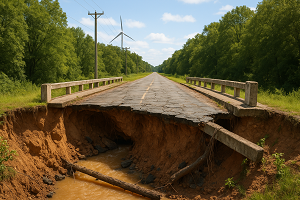
 Environmental Impact on Infrastructure is a topic monitored and covered by: Prepper Watch – Infrastructure
Introduction
In the modern world, much of our society’s functioning relies on well-established infrastructure, including roads, bridges, power grids, communication systems, and water supplies. These systems are crucial for day-to-day life, supporting everything from food distribution to medical services. However, these systems are increasingly vulnerable to environmental threats such as extreme weather, rising temperatures, and erosion. For preppers, understanding how environmental factors can weaken or destroy infrastructure is critical for developing effective survival strategies.
In this blog, we will explore the various ways that environmental factors impact infrastructure, how preppers can prepare for these challenges, and the steps they can take to ensure the longevity and reliability of their own preparedness efforts in the face of these threats.
The Increasing Vulnerability of Infrastructure to Environmental Threats
The Role of Infrastructure in Modern Society
Infrastructure is the backbone of civilization, and its collapse could lead to widespread disruption of essential services. Water, energy, transportation, and communication networks form the foundation of society, supporting everything from food delivery to healthcare.
The Environmental Threat Landscape
The primary environmental threats to infrastructure are:
- Storms and Hurricanes: These events can lead to massive flooding, wind damage, and power outages, compromising everything from electrical grids to transportation routes.
- Heat Waves: Extreme heat can weaken materials like asphalt, concrete, and steel, causing cracks and fractures that lead to infrastructure degradation.
- Erosion and Flooding: Coastal and riverine erosion can damage roads, bridges, and railways, while rising sea levels can submerge entire communities.
- Drought: Water scarcity can strain infrastructure that relies on water distribution and agricultural systems.
- Wildfires: Wildfires, particularly in areas prone to heat and drought, can threaten power lines, communication towers, and other critical infrastructure.
Understanding these threats is vital for preppers to identify potential weak points in their preparedness plans.
Understanding the Impact of Storms and Hurricanes
Storms and Hurricanes: What Happens to Infrastructure?
Storms and hurricanes bring a mix of high winds, heavy rainfall, and flooding. The effects on infrastructure can be devastating:
- Power Outages: High winds can down power lines, while flooding can damage substations and transformers, leading to widespread outages.
- Transportation Disruptions: Flooded roads and damaged bridges can make travel impossible, halting goods delivery and hindering emergency services.
- Water and Sewer Systems: Floodwaters can overwhelm wastewater treatment plants, leading to contamination and hygiene issues.
- Communications: Power failures and physical damage to communications towers can cut off vital communication networks.
Preparing for Storms and Hurricanes
Preppers need to be ready for extreme weather by taking the following steps:
- Create an Emergency Power Plan: Invest in backup generators, solar power systems, and battery banks to maintain power during outages. Prepping for multiple forms of energy will ensure resilience.
- Fortify Structures: Secure windows, doors, and roofs against wind damage. Installing storm shutters or impact-resistant windows can prevent extensive damage.
- Flood Protection: Elevate critical utilities like water heaters and electrical panels above the flood line. Use sandbags or other flood barriers to protect property.
- Transportation Alternatives: In the event of road damage, preppers should have access to alternative routes or vehicles like ATVs, bicycles, or even boats, depending on their location.
The Impact of Extreme Heat on Infrastructure
How Heat Affects Infrastructure
Extreme heat places significant stress on infrastructure, especially in areas unprepared for such conditions. Materials commonly used in infrastructure, such as concrete, asphalt, and steel, all respond to temperature changes in ways that can lead to failures:
- Roads and Pavement: Prolonged exposure to high heat can cause asphalt to soften, leading to cracks, potholes, and surface erosion.
- Bridges and Railroads: Steel expands and contracts with temperature fluctuations, which can lead to warping or buckling if the materials are not designed for extreme heat.
- Power Grids: High temperatures increase the demand for energy, while also causing power lines to sag and transformers to overheat.
Preparing for Heat-Related Infrastructure Failures
To prepare for the impact of heat on infrastructure, preppers should consider the following strategies:
- Build with Heat-Resistant Materials: When constructing or fortifying structures, choose materials that can withstand high temperatures, such as heat-reflective roofing and heat-resistant insulation.
- Insulate Critical Systems: Insulating pipes, wires, and heating systems will reduce the impact of heat and minimize damage.
- Invest in Cooling Systems: Have a backup cooling system in place, such as solar-powered fans or evaporative coolers, to combat heat during power outages.
- Heat-Resistant Transportation: Use vehicles designed to handle extreme heat and keep them well-maintained to avoid breakdowns in high temperatures.
Erosion and Flooding as Threats to Infrastructure
Erosion and Flooding: A Growing Concern
Erosion and flooding are increasingly becoming significant threats to infrastructure. Coastal areas, riverbanks, and low-lying regions are especially vulnerable to these threats, with rising sea levels and more frequent and severe rainfall exacerbating the issue.
- Coastal Erosion: Coastal infrastructure such as roads, bridges, and seawalls are at risk of being washed away by rising sea levels and storm surges.
- River Flooding: Rivers can overflow their banks, inundating nearby infrastructure like bridges, roads, and sewer systems.
- Soil Erosion: Intense rainfall and shifting landscapes can lead to soil erosion, undermining the foundation of buildings, roads, and other structures.
Preparing for Erosion and Flooding
Preppers can take several steps to protect themselves from erosion and flooding:
- Elevate Critical Infrastructure: Raise homes, power supplies, and sewage systems above known flood zones to prevent damage during high-water events.
- Use Retaining Walls: In areas prone to soil erosion, build retaining walls or plant vegetation to stabilize the ground and prevent foundation issues.
- Water Diversion Systems: Install drainage systems that divert rainwater away from buildings and critical systems.
- Waterproofing: Seal basement windows, doors, and foundations to keep floodwaters at bay.
The Effects of Wildfires on Infrastructure
Wildfires: A Threat to Power and Communication Networks
Wildfires pose an ever-growing risk to infrastructure, particularly in drought-prone and heavily forested regions. These fires can destroy power lines, communication towers, and even entire communities.
- Power Lines: Wildfires often down power lines, which can lead to long-term outages.
- Communication Systems: Wildfires can cause massive damage to cellular towers and internet lines, cutting off vital communications.
- Property Destruction: Homes and other buildings are vulnerable to wildfires, especially in areas where firefighting resources are overwhelmed.
Preparing for Wildfire Infrastructure Threats
Preppers in wildfire-prone areas should consider:
- Fire-Resistant Construction: Use fire-resistant materials when building or retrofitting homes, such as metal roofing, stucco siding, and tempered glass windows.
- Wildfire Breaks: Create defensible space around properties by clearing vegetation, removing dead trees, and maintaining fire breaks.
- Backup Communication Systems: Set up alternative communication methods like satellite phones, two-way radios, or mesh networks in case traditional systems fail.
- Water Resources: Stockpile water and establish a method of water delivery in case of local firefighting system failures.
Preparing for Drought and Water Scarcity
Drought and Its Impact on Infrastructure
Droughts are another environmental threat that can strain infrastructure, especially in regions dependent on water resources for agriculture and energy production. Prolonged dry periods can lead to water shortages, which in turn affect:
- Hydropower: Droughts reduce the availability of water for hydropower plants, potentially leading to energy shortages.
- Agriculture: Water scarcity can devastate crops and livestock, further exacerbating supply chain disruptions.
- Municipal Water Systems: Reduced water supplies can force municipalities to ration water, impacting daily life and sanitation.
Preparing for Drought
To prepare for drought, preppers should:
- Invest in Water Storage: Build large-scale water storage systems to collect rainwater and store it for later use.
- Water Conservation: Implement water-saving technologies and methods in homes, such as low-flow fixtures and water recycling systems.
- Alternative Water Sources: Develop plans to access alternative water sources, such as wells or water filtration systems.
- Agricultural Preparedness: Grow drought-resistant crops and implement water-efficient irrigation systems for food sustainability.
Long-Term Infrastructure Resilience: The Prepper’s Approach
Building Infrastructure Resilience
To survive in a world increasingly impacted by environmental threats, preppers must look beyond temporary fixes and focus on long-term resilience. This means building systems that can withstand environmental stresses while ensuring that vital resources remain accessible during disruptions.
- Decentralized Systems: Rather than relying on centralized systems that are vulnerable to failure, preppers should invest in decentralized power, water, and communication systems.
- Modular Infrastructure: Build modular systems that can be repaired or replaced with ease, ensuring that critical functions remain operational even during times of crisis.
- Self-Sufficiency: Foster independence from public infrastructure by growing food, harvesting rainwater, and creating community-based solutions for energy and water needs.
Conclusion
Environmental threats to infrastructure are a growing concern, and preppers must take proactive steps to mitigate the risks associated with extreme weather, heat, erosion, wildfires, and drought. By understanding these risks and preparing for them, preppers can ensure that their homes, communities, and survival strategies remain resilient even in the face of increasing environmental challenges.