
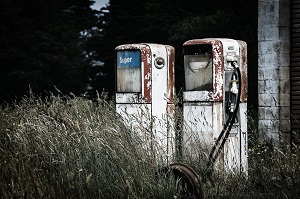
 Fuel Shortages Impacting Deliveries is a news and information topic monitored and covered by: Prepper Watch – Supply Chain
Introduction
In recent years, supply chains have become increasingly vulnerable to disruptions of all kinds. Among the most critical disruptions that could cause widespread issues for both individuals and businesses are fuel shortages. Fuel, the lifeblood of transportation, is essential for the delivery of goods, raw materials, food, and medical supplies. A shortage of fuel can quickly lead to delayed deliveries, higher transportation costs, and ultimately, supply chain breakdowns.
For preppers, anticipating fuel shortages and having a plan in place to mitigate the effects of such disruptions is essential. By understanding the risks and creating strategies to deal with fuel scarcity, preppers can ensure their survival and maintain self-sufficiency, even in the face of widespread fuel supply problems.
In this blog, we will explore how preppers can prepare for fuel shortages and their impact on deliveries. We’ll discuss the causes of fuel shortages, the potential consequences for supply chains, and the best strategies to mitigate the effects of fuel scarcity.
Understanding Fuel Shortages and Their Causes
Fuel shortages can arise for a variety of reasons, and understanding these causes is the first step in preparing for them. Here are some common factors that can lead to fuel shortages:
- Global Crises: Wars, political instability, and economic crises in major oil-producing countries can disrupt the global oil supply. For example, conflicts in the Middle East or sanctions on countries like Russia can have a direct impact on fuel prices and availability.
- Natural Disasters: Hurricanes, earthquakes, and floods can damage infrastructure such as oil rigs, refineries, pipelines, and distribution centers, causing fuel supply interruptions.
- Supply Chain Failures: Interruptions in the transportation of fuel—due to strikes, truck shortages, or logistical challenges—can lead to a regional or national fuel shortage.
- Government Policies: Certain regulations, taxes, or restrictions on fuel production and consumption can also contribute to supply limitations.
- Pandemics and Health Crises: The COVID-19 pandemic is a prime example of how a global health crisis can disrupt fuel supply chains. Lockdowns, supply chain breakdowns, and the closure of refineries can lead to fuel shortages.
- Environmental Factors: Environmental concerns, such as the push towards renewable energy sources, may reduce the demand for fossil fuels, but also lead to transitions and supply disruptions during the switch-over period.
By understanding these causes, preppers can anticipate potential shortages and begin to take the necessary steps to protect themselves and their families.
Consequences of Fuel Shortages on Supply Chains
Fuel shortages can have widespread consequences, especially when it comes to the transportation and delivery of goods. The following are some of the key impacts of fuel shortages on supply chains:
- Increased Transportation Costs: Fuel shortages typically lead to higher prices for the available fuel. This drives up the cost of transporting goods, which may be passed on to consumers in the form of higher prices for products. Delivery delays can also lead to lost income or business for sellers.
- Transportation Delays: With limited fuel availability, delivery vehicles—whether trucks, ships, or trains—may be unable to make timely deliveries. When transportation delays occur, the supply chain can slow to a halt, with severe consequences for businesses and consumers alike.
- Stockouts and Shortages: A shortage of fuel can result in certain goods being delayed or unavailable. Essential supplies like food, medical products, and household items may become scarce, leading to panic buying and hoarding behavior. Preppers may face challenges in accessing critical supplies.
- Manufacturing Disruptions: Manufacturers rely on timely deliveries of raw materials and components to maintain production schedules. When transportation is disrupted by fuel shortages, manufacturers may struggle to source the materials they need to produce goods.
- Increased Competition for Resources: Fuel shortages often cause competition for available resources. This can lead to bidding wars for limited fuel supplies, further driving up prices and increasing the scarcity of other goods.
- Economic Impact: Fuel shortages can lead to inflation, making goods and services more expensive. As transportation costs rise, businesses may have to increase their prices to maintain profitability, further reducing consumer purchasing power.
The ripple effect from fuel shortages can be felt throughout the economy, and preppers need to understand how these disruptions may impact their daily lives.
Building Fuel Reserves
One of the most critical preparations preppers can make in anticipation of fuel shortages is to build a fuel reserve. Having an ample supply of fuel on hand can help mitigate the effects of a shortage and ensure that essential activities—such as heating, cooking, and transportation—continue uninterrupted. Here are some strategies for building a fuel reserve:
- Stockpile Fuel: Start by stockpiling fuel in proper containers. It’s important to store fuel safely, following all local regulations and safety guidelines. Consider storing gasoline, diesel, and alternative fuels (such as propane) based on your needs and what is readily available in your area.
- Fuel Stabilizers: Fuel can degrade over time, especially gasoline. Using fuel stabilizers can extend the shelf life of stored fuel, making it usable even after long periods of storage.
- Diversify Your Fuel Sources: Don’t rely solely on one type of fuel. Diversifying your fuel sources—such as using solar power, propane, or biodiesel—can help reduce dependency on conventional fuels and ensure you have alternatives when fuel is scarce.
- Sustainable Power Solutions: In addition to storing fuel, preppers should invest in renewable energy systems, such as solar panels, wind turbines, or hydroelectric systems. These can provide a backup power source in case of a prolonged fuel shortage.
- Reserve for Vehicles: If your primary mode of transportation depends on gasoline or diesel, it’s wise to have extra fuel on hand for your car, truck, or generator. Keep a separate supply of fuel specifically for your vehicles to avoid running out during critical times.
Fuel Efficiency Strategies
In addition to building fuel reserves, preppers should develop strategies to maximize fuel efficiency during a shortage. Reducing fuel consumption will help stretch the available supply and ensure that preppers can use fuel more effectively. Here are some strategies for improving fuel efficiency:
- Optimize Vehicle Use: Limit the use of fuel-dependent vehicles and only travel when absolutely necessary. Carpooling, combining errands, and avoiding unnecessary trips can help reduce fuel consumption.
- Maintenance and Upkeep: Ensure that all fuel-dependent equipment—whether it’s a vehicle, generator, or heating system—is well-maintained. Regular oil changes, tire inflation, and air filter replacements can improve fuel efficiency.
- Alternative Transportation: In the event of a severe fuel shortage, alternative transportation options such as bicycles, electric vehicles, or even walking can be used to reduce dependency on fuel. Having an electric bike or scooter can help maintain mobility when fuel is limited.
- Use Efficient Heating Methods: If you rely on heating for your home, consider energy-efficient heating options such as wood stoves, propane heaters, or even a rocket mass heater, which uses much less fuel than conventional systems.
By making these adjustments to fuel usage, preppers can help ensure that their fuel reserves last longer during a shortage.
Stockpiling Essential Goods
While preppers are focused on fuel, it’s also crucial to stockpile essential goods that can become scarce during fuel shortages. Fuel shortages often lead to delays in the transportation of goods, which can impact the availability of critical supplies. Here’s what preppers should consider stockpiling:
- Non-Perishable Foods: Stockpile a variety of non-perishable foods, including canned goods, dried grains, freeze-dried meals, and protein bars. These items have long shelf lives and can sustain you if food deliveries are delayed.
- Water and Filtration Systems: Water transportation often depends on fuel. Preppers should have enough water on hand or invest in water filtration systems and rainwater collection methods to ensure they can access clean water during a shortage.
- Medical Supplies: Stock up on essential medications, first-aid supplies, and over-the-counter treatments. Fuel shortages can delay deliveries of medical supplies, so having a sufficient stock is important.
- Fuel for Cooking: Consider alternative cooking methods, such as propane stoves, wood-fired ovens, or solar ovens. These can provide a backup cooking option when fuel for conventional cooking methods is limited.
By maintaining a well-stocked supply of essential goods, preppers can minimize the impact of fuel shortages on their day-to-day survival.
Community-Based Solutions
In addition to personal preparedness, preppers should consider community-based solutions to address fuel shortages. A mutual aid group (MAG) or prepper community can be an invaluable resource during a fuel shortage. Here’s how community-based solutions can help:
- Fuel Sharing and Bartering: Preppers within a community can share their fuel reserves with others who may have run out, creating a support network for mutual survival. Bartering goods or services for fuel can also help ensure that everyone in the group has access to the resources they need.
- Carpooling and Transportation Networks: Community members can coordinate transportation to share trips, reducing the total amount of fuel consumed. This can be especially important when long-distance travel is necessary.
- Group Stockpiling: Pooling resources allows preppers to store larger amounts of fuel and essential goods than they could individually. This collective effort can help ensure that everyone in the community has access to the necessary supplies during a shortage.
By working together, preppers can strengthen their ability to withstand fuel shortages and supply chain disruptions.
Communication and Information Sharing
Effective communication is crucial during a fuel shortage. By staying informed about fuel availability and delivery disruptions, preppers can adjust their plans accordingly. Consider the following:
- Radio and Satellite Communication: In the event of widespread disruptions, traditional communication networks may fail. Having a battery-powered radio or satellite phone can provide access to important news updates and communication with community members.
- Online Networks: Preppers can join online forums, social media groups, or prepping apps to share information about fuel shortages, stockpile status, and delivery disruptions. These digital communities provide real-time updates that can help individuals adapt to changing circumstances.
Psychological Preparedness
Fuel shortages and supply chain disruptions can be stressful, especially if they lead to scarcity of goods and rising prices. Psychological preparedness is just as important as physical preparation. Preppers should work on developing mental resilience, coping strategies, and a mindset of flexibility and adaptability.
Conclusion
Fuel shortages are a real threat to modern supply chains, and preppers must take proactive steps to prepare for them. By building fuel reserves, improving fuel efficiency, stockpiling essential goods, and participating in community-based solutions, preppers can reduce the impact of fuel shortages on their daily lives.
In addition, staying informed and developing psychological resilience are crucial components of long-term preparedness. With the right strategies, preppers can weather the storm of fuel disruptions and ensure their continued survival and self-sufficiency.