🧰🌍 Emergency Preparedness: A Practical Guide to Self-Sufficiency in Uncertain Times
Preparedness isn’t about panic or extremes — it’s about stability, confidence, and control when systems strain or fail. Small, steady steps today create resilience tomorrow.
🥫 1. Start Small with the Essentials
🍚 Non-perishable food
💧 Water & purification
🧼 Hygiene supplies
Build reserves gradually by adding a few extra items during regular shopping trips, especially when things are on sale.
🔥 2. Plan for Utility Outages
🍳 Backup cooking (camp stoves, solar ovens)
💡 Lighting (flashlights, solar lanterns)
🔌 Power & communication (battery banks, solar chargers)
Redundancy keeps daily life functional when the grid goes down.
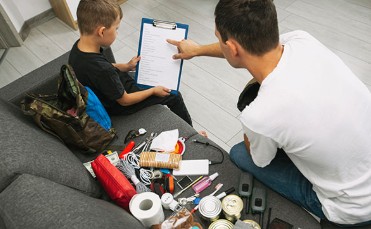
👨👩👧👦 3. Customize for Your Household
💊 Medications & first aid
👶 Childcare needs
🐾 Pet food & supplies
Use simple lists to cover your family’s specific requirements without feeling overwhelmed.
🌱 4. Build Real-World Skills
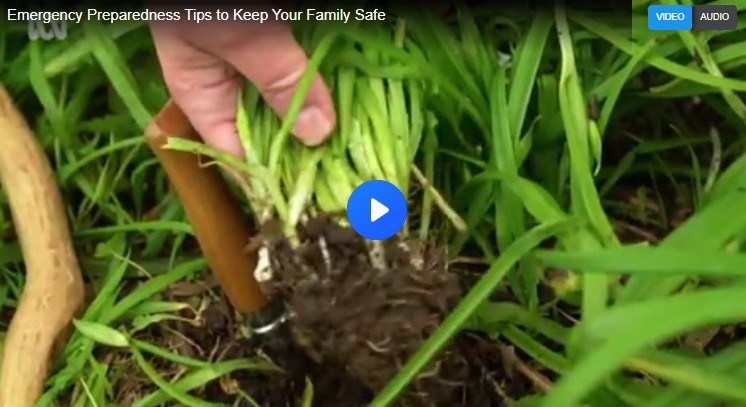
🌾 Gardening & food preservation
🚰 Water purification
🩹 Basic first aid
Skills reduce dependence on fragile systems and pay off long after emergencies pass.
🚗 5. Stay Mobile & Connected
⛽ Keep fuel levels up
📻 Backup radios
📱 Offline maps & contacts
Mobility and communication matter when conditions change fast.
🧠 6. Preparedness Is a Mindset
📦 Stockpiling is ongoing
🔁 Skills grow over time
🧭 Confidence replaces fear
Every small step adds up — preparedness is a process, not a finish line.
🤝 Prepper Takeaway
Emergency preparedness is a rational response to an unpredictable world. By starting small, focusing on necessities, and steadily building skills, anyone can become more self-reliant. The goal isn’t to expect disaster — it’s to be ready for disruption and calm under pressure.
🌟 Prepare to live well, not just survive.