
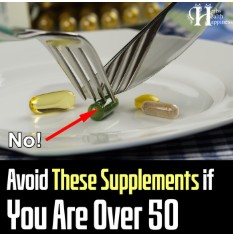
🧠⚠️ Over 50? Some Supplements Can Do More Harm Than Good
As we age, our bodies change — how we absorb nutrients, how our liver and kidneys process things, and how supplements interact with medications. While supplements can be useful, not all of them are a good idea after 50, especially when taken without testing or guidance.
From a preparedness standpoint, long-term health, mobility, and organ function matter just as much as food storage and gear.
❌ Supplements to Rethink After 50
🌿 Kava
Often used for stress or anxiety, but linked to liver damage. Older livers don’t regenerate as well, increasing risk.
🦴 Calcium (supplement form)
Calcium from food is important, but supplements have been linked to kidney stones and cardiovascular issues. Food sources are generally safer.
🛡️ High-dose antioxidants (Vitamin A, E, Beta-Carotene)
Antioxidants matter, but too much can disrupt the body’s balance. Large studies have linked some antioxidant supplements to higher mortality.
🩸 Iron
Unless you’re iron-deficient and told to supplement, excess iron can accumulate and has been associated with shorter lifespan and brain health risks.
🧪 Selenium (especially with Vitamin E)
Essential in small amounts, but long-term high intake may increase toxicity and cancer risk.
🌱 Soy Isoflavone Supplements
Highly concentrated phytoestrogens may increase hormone-related cancer risks, especially when taken as supplements instead of whole foods.
🧠 Prepper Takeaway
✔ Supplements are tools — not insurance
✔ Food-first nutrition is usually safer
✔ Testing beats guessing
✔ Megadoses increase risk
✔ Aging bodies need different strategies
Health resilience is preparedness. Strength, clarity, and endurance matter when systems are stressed.
📌 Save this
💬 Share what supplements you’ve rethought
🔁 Pass this along to someone over 50