

Bugging In: Why Staying Put Can Be the Smartest Survival Move
When disaster hits, preppers face a major choice: bug out or bug in. For most situations, staying put in a fortified home is safer, more practical, and far less chaotic than hitting the road. Your home already holds your supplies, tools, and defensive advantages — all within familiar surroundings.
Why bugging in makes sense:
Bugging in lets you avoid the dangers of travel, exposure to crowds, or roadblocks during crises. It allows access to food, water, and medicine you’ve already stored, and keeps vulnerable family members — children, elderly, or those with medical needs — safe and stable.
Critical steps to bug in effectively:
-
Reunite family fast: When things start going sideways, everyone needs to get home quickly. Have backup routes and meeting points pre-planned.
-
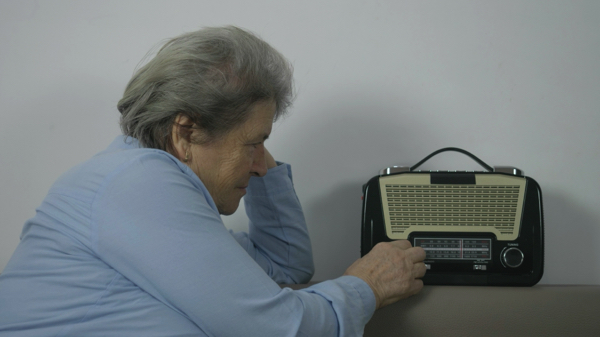
Gather intelligence: Track local news, radio, and emergency alerts. Knowledge of what’s happening outside determines whether you stay or go.
-
Last-minute supply runs: Only if it’s safe — grab water, food, or fuel. Keep a low profile, use cash, and don’t broadcast what you’re carrying.
-
Fortify your home: Reinforce doors and windows, block light leaks, and stay quiet. Visible activity can draw attention in dark neighborhoods.
-
Organize supplies: Label and store food, water, medical, and defense items for easy access. Rotate stock to keep everything fresh.
-
Maintain operational secrecy (OPSEC): Don’t tell neighbors what you’ve prepped. Avoid smells, lights, and noise that might attract unwanted attention.
-
Stay alert: The first 48 hours are the most unpredictable. Adapt to changing threats and remain ready to shift plans fast.
-
Have a backup plan: If the situation worsens — civil unrest, structural damage, or spreading contamination — know when to bug out and where to go.
What to include in your setup:
-
At least two weeks of food and water (minimum one gallon per person per day)
-
First aid kits and essential medicines
-
Off-grid power (solar chargers, batteries, or generator)
-
Safe heat source (no open flames indoors)
-
Communication gear like radios
-
Security and defense tools
-
Entertainment and comfort items to maintain morale
Bugging in isn’t about hiding — it’s about staying alive, calm, and effective when the outside world turns chaotic. A prepared home can provide safety, stability, and independence when others are scrambling for shelter.
As the world grows more uncertain — from natural disasters to civil unrest — the best time to prepare isn’t later. It’s now.
For a guide to bugging in your house for disaster scenarios, watch the video below.