
 Medical Emergency Response Gaps is a news and information topic monitored and covered by: Prepper Watch – Survival
Introduction – Understanding the Medical Response Gap
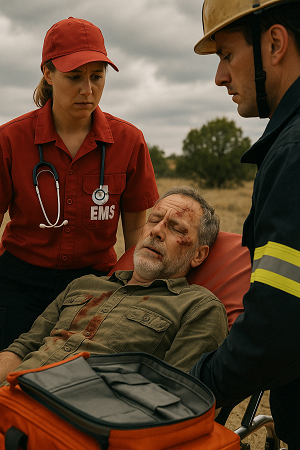
In the world of preparedness, few threats are as immediate and life-threatening as a medical emergency with no professional help available. Whether it’s a broken bone during a bug-out, a deep laceration from a homestead tool, or an outbreak of infection in a post-disaster shelter, inadequate medical response can turn a survivable scenario into a deadly one.
Medical Emergency Response Gaps refer to the inability to treat injuries, illnesses, or health issues effectively due to a lack of access to trained personnel, medications, supplies, or knowledge. In a grid-down situation, natural disaster, economic collapse, or isolation event, even minor health problems can spiral without the right preparation.
This posting explores how a prepper can bridge these gaps by building a foundation of knowledge, resources, and practice to ensure survival and recovery when no doctor is coming.
Assessing the Threat – Why Medical Preparedness is Critical
In any long-term crisis, healthcare systems are among the first to collapse or become overwhelmed. Hospitals may shut down, pharmacies may be looted, and ambulances may stop running. Preppers must therefore ask:
- How do I treat wounds without a clinic?
- How do I handle fever, infection, dehydration, or a broken limb?
- How do I manage chronic conditions like asthma or diabetes?
- How do I prevent minor injuries from becoming life-threatening?
Statistics from past disasters—Hurricane Katrina, the Haiti earthquake, or the COVID-19 pandemic—highlight how fast modern healthcare infrastructure can fail. Even rural locations today struggle with emergency response times. In many survival scenarios, you are the first and last responder.
Building the Foundation – Education and Medical Training
Step one: Learn the basics. Medical knowledge is not optional for a prepper—it’s vital. Start with structured training:
Recommended Courses
- CPR & AED (American Red Cross or Heart & Stroke Foundation)
- Wilderness First Aid or Wilderness First Responder (WFR)
- Stop the Bleed training for hemorrhage control
- Basic and Advanced First Aid certifications
- Online medical preparedness courses from prepper medical professionals (e.g., Dr. Bones & Nurse Amy, Jase Medical, PrepperMed)
Self-Study Resources
- Survival Medicine Handbook (Alton)
- Where There Is No Doctor (Werner)
- First Aid Manual (St. John Ambulance)
Create a regular medical skill training schedule, including family members or prep groups. Practice everything from splinting to suturing. Use medical mannequins, pork skin for suturing practice, and CPR dummies.
Assembling the Survival Medical Kit
A proper medical supply cache is just as critical as food, water, and defense. A basic “boo-boo kit” is not enough. You need a tiered system:
Level 1: Personal IFAK (Individual First Aid Kit)
- Tourniquet (CAT or SOF-T)
- Trauma dressing
- Chest seal
- Nasopharyngeal airway
- Compressed gauze
- Gloves and antiseptic
Level 2: Group Trauma and Treatment Kit
- Multiple tourniquets and pressure bandages
- Hemostatic agents (e.g., Celox, QuikClot)
- SAM splints
- Burn dressings
- Suture and stapling kits
- Medical tape, shears, irrigation syringes
Level 3: Long-Term Care Supplies
- Broad-spectrum antibiotics (Jase Case or veterinary equivalents)
- Pain medications
- Antihistamines
- Antidiarrheals and antiemetics
- Thermometers, BP cuff, stethoscope, pulse oximeter
- Eye and dental care kits
- Diagnostic guides
Each item should be tested, understood, and replenished. Store kits in dry, secure, and accessible locations—home, vehicle, bug-out bag.
Pharmaceuticals and Alternatives
In a collapsed healthcare environment, pharmaceuticals become a prepper’s gold. Understanding how to store, rotate, and even acquire alternatives is vital.
Stockpiling Medications
- Work with doctors for 90-day supplies.
- Consider telehealth options like Jase Medical for emergency antibiotic packs.
- Store medications in a cool, dark, dry place to extend shelf life.
- Learn about expiration dates—many meds remain safe and effective years after.
Alternative Sources
- Veterinary meds (e.g., FishMox for amoxicillin)
- Herbal remedies: garlic (antibacterial), echinacea (immune), yarrow (bleeding), willow bark (pain)
- Local foraging: plantain, comfrey, mullein
- Natural disinfectants: honey, salt water, vinegar, charcoal
Preppers should combine modern medicine with ancestral wisdom, ensuring redundancy in treatment options.
Emergency Procedures – What You Must Know How to Do
Here’s a core list of life-saving procedures every prepper should master:
- Control major bleeding (tourniquet, pressure bandage, hemostatic gauze)
- Suture or close a wound
- Splint a fracture or immobilize a limb
- CPR and rescue breathing
- Identify and treat shock
- Treat burns of various degrees
- Manage fever and dehydration
- Rehydrate via oral and IV methods
- Clear airway obstructions
- Recognize infection and treat with antibiotics
Create laminated quick-reference cards in your med kits. Include visual diagrams for situations where stress impairs memory.
Chronic Conditions and Long-Term Survival Care
In a long-term event, chronic conditions become deadly without prep. Consider how you’d manage:
- Diabetes – insulin storage, sugar monitoring, dietary management
- Asthma – spare inhalers, herbal bronchodilators
- Hypertension – stress reduction, herbal diuretics
- Pain – non-narcotic options, acupressure, stretching
- Mental health – anxiety, depression, trauma
Plan for medication tapering, alternatives, or even surgical scenarios. For example, how would you handle an infected abscess without access to a doctor?
Document all known health conditions of group members. Keep a medical record binder or encrypted flash drive with histories, allergies, and prescriptions.
Practice Makes Prepared – Simulation and Rehearsal
Practical exercises build confidence and reveal weaknesses.
Prepper Medical Drills
- Conduct quarterly trauma drills with your group.
- Practice wound care on simulated injuries.
- Role-play scenarios: heart attack, allergic reaction, compound fracture, pandemic response.
- Simulate night-time and low-light conditions.
- Evaluate speed, decision-making, and teamwork.
These drills should not just focus on the treatment, but also logistics—where the kit is stored, who leads, who documents, who handles comms, who watches kids, etc.
The more you rehearse, the more instinctual your reactions become.
Medical Response in Group Settings
Medical emergencies can tear apart prepper groups—unless roles are clear.
Assign Medical Roles
- Primary Medic – most trained, performs treatment.
- Assistant Medic – support, supply runner.
- Log Keeper – records treatment, doses, vitals.
- Security Watch – protects during care.
- Runner/Scout – finds extra supplies if needed.
Build a medical SOP (standard operating procedure) for your group. Decide how to triage, quarantine, and notify others. Incorporate psychological first aid and spiritual support for trauma victims.
If your group includes a medical professional, great—but everyone must be cross-trained to some level.
Conclusion – Health is Survival
Without medical preparedness, all other survival efforts are in vain. You can have a stocked pantry, defend your homestead, and produce your own power—but if you bleed out from a preventable wound, none of that matters.
True preparedness means:
- Knowing what to do.
- Having the tools to do it.
- Practicing under pressure.
- Teaching others in your circle.
Bridging the Medical Emergency Response Gap is not a one-time project—it’s a lifelong prepper discipline. Your future, your family’s survival, and your group’s resilience all depend on it.